Alvin Toffler predicted the 'prosumer' in 1980. Cheap AI design tools and desktop 3D printing may finally be closing the gap between producing and consuming.
The Word That Outran Its Technology
In 1980, futurist Alvin Toffler published The Third Wave and coined a word for a shift he was sure was coming: the 'prosumer' — a blend of producer and consumer, someone who no longer just buys finished goods but helps make them. For four decades the idea stayed mostly theoretical. The tools to actually produce at home were too slow, too crude, or too expensive to matter.
In 2026, the equation looks different. Two things have changed at once: artificial intelligence can now turn a sentence into a manufacturable 3D model, and desktop 3D printers have become cheap, reliable, and multi-material. Together, they're the closest the prosumer concept has ever come to working in practice.
From Prompt to Printed Part
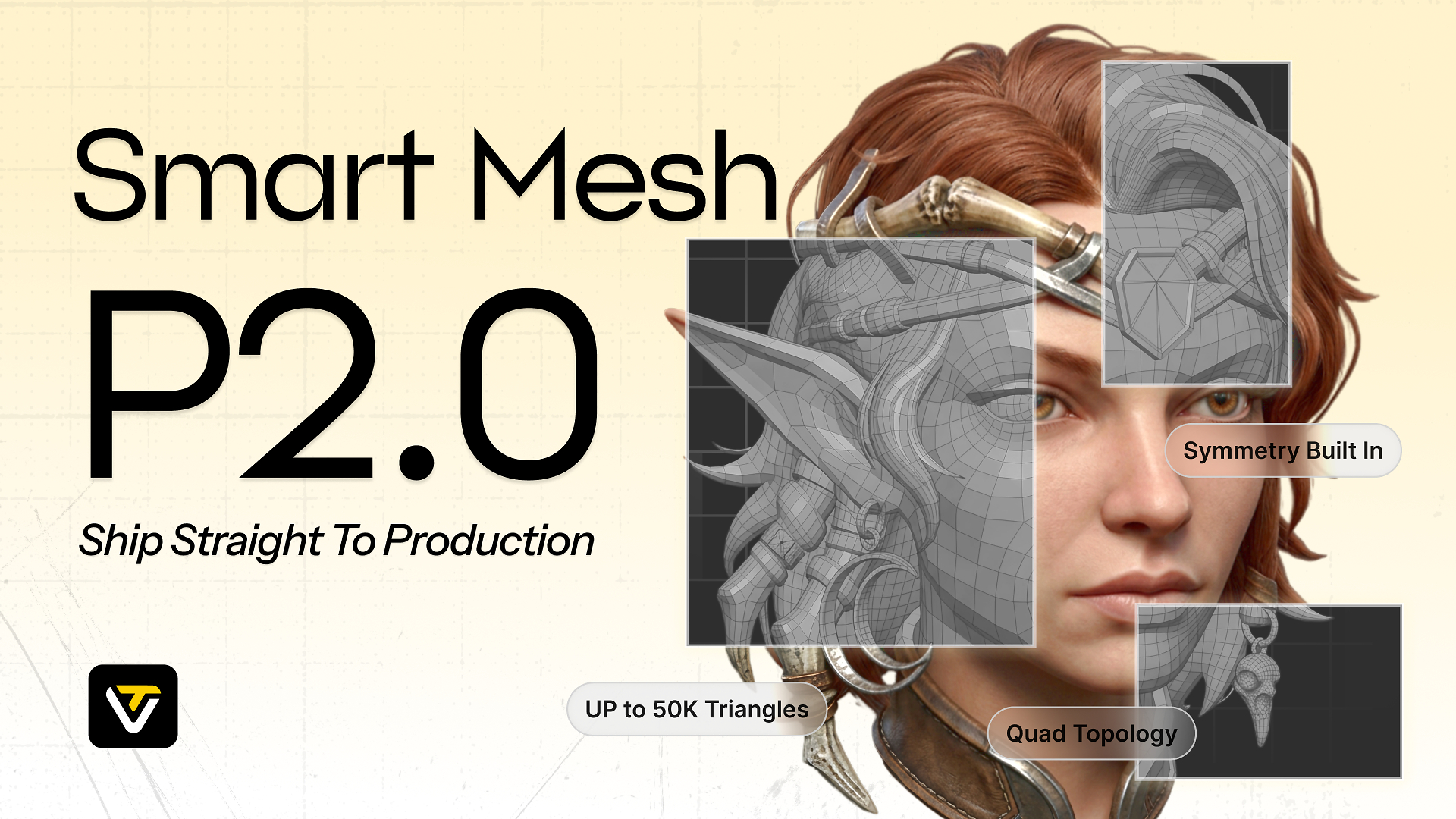
The old barrier to prosumerism was design skill. Modeling software had a steep learning curve, and most people who wanted a custom object couldn't draw one. AI is erasing that step. Text-to-3D tools like Tripo and Meshy can generate a printable asset from a description in seconds, and projects like Prompt2CAD are wiring large language models directly into furniture and product modeling workflows.
Layer a capable desktop printer on top — Bambu Lab's Core One and H2C, Elegoo's Centauri line, or Sovol's toolchanging M1D — and the loop closes: describe what you want, generate the model, print it at home or ship it to a print-on-demand service, then sell or share the result.
The Prosumer Economy Is Already Here (in Pieces)
You can see the pieces operating today. Makers upload models to marketplaces and sell physical prints without owning a factory — Slant 3D's Portals lets creators list products printed across a 1,000-machine network. Etsy and niche storefronts are full of small-batch, custom-printed goods. AI asset generators feed those marketplaces with fresh designs faster than any human modeler could.
What's new is the tightness of the loop. When design, manufacturing, and distribution all sit one tap apart, the consumer really does become the producer.
Why It Still Hasn't Fully Arrived
Toffler's vision implied more than hobbyist tinkering — it implied a real shift in how economies work. That shift is still gated by real constraints: print quality and repeatability for anything structural, intellectual-property questions around AI-generated designs, material limits compared with injection molding, and the gap between a great prototype and a shippable product.
The software, hardware, and marketplace layers are converging, but they haven't fully fused. A designer can generate and print a part in an afternoon; turning that into a dependable business still takes the unglamorous work of quality control, fulfillment, and customer support.
The Bottom Line
Toffler was early, not wrong. Forty-five years on, AI-assisted design and accessible additive manufacturing have made the prosumer a practical possibility rather than a forecast. The makers who treat the full stack — generate, print, sell, iterate — as one workflow are the ones finally living the future he described.


Comments (0)
No comments yet. Be the first!
Leave a Comment