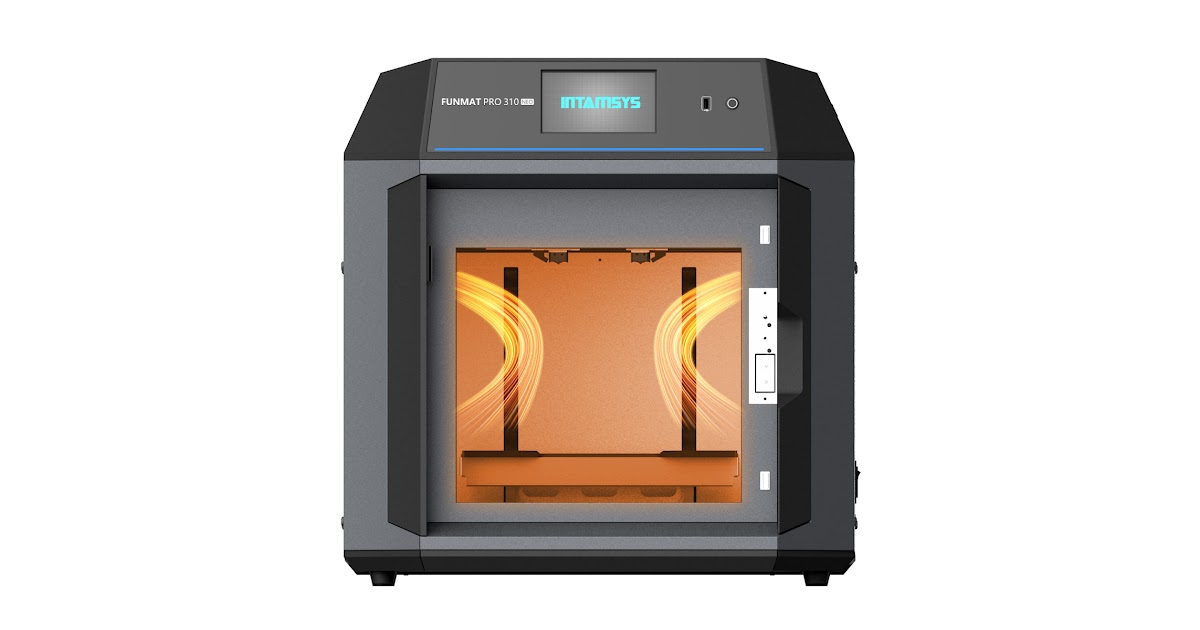
INTAMSYS Funmat Pro 310 NEO Review: A 100C Chamber IDEX Machine That Holds Up
Dual nozzles, a 100C chamber and strong repeatability. Here is where the Funmat Pro 310 NEO earns its price.
133 articles
Dual nozzles, a 100C chamber and strong repeatability. Here is where the Funmat Pro 310 NEO earns its price.
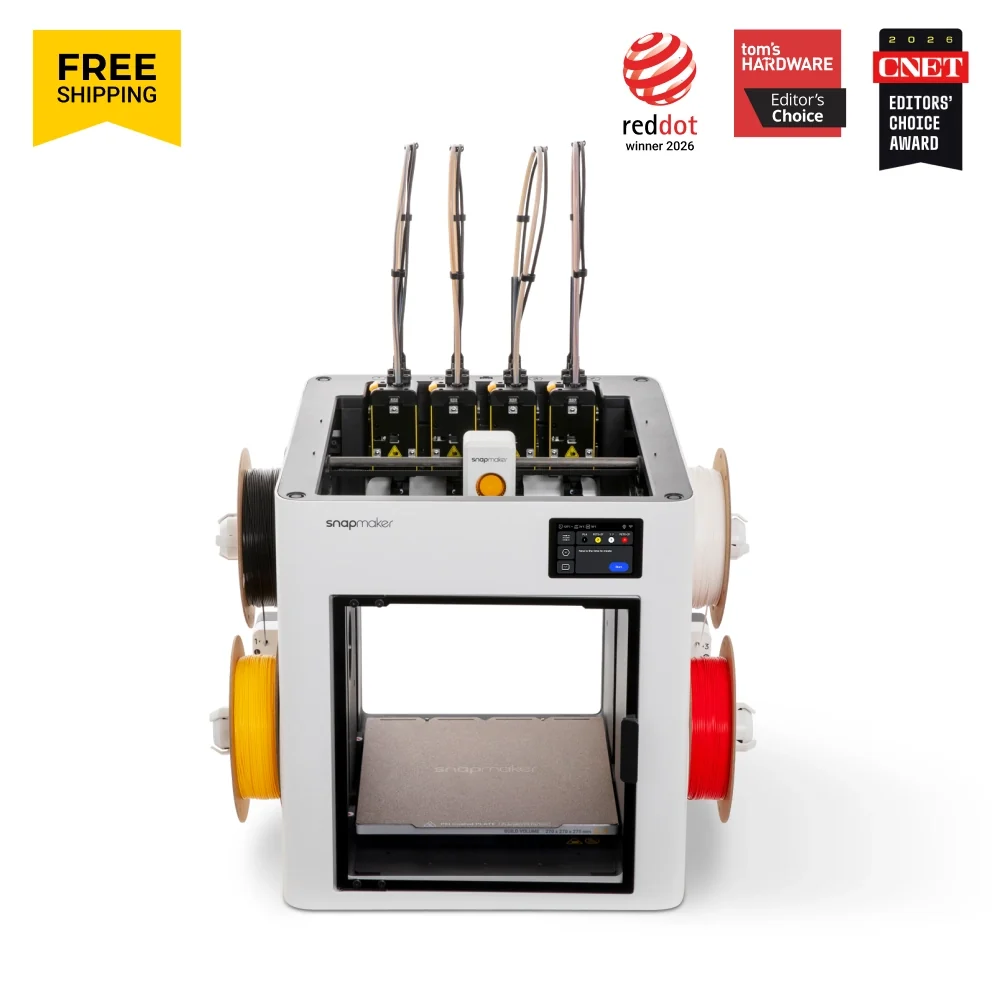
The Snapmaker U1 swaps four independent toolheads in about 5 seconds, cutting multi-material print waste and time by up to 80 percent. At $899, it resets expectations for what a consumer machine can do.
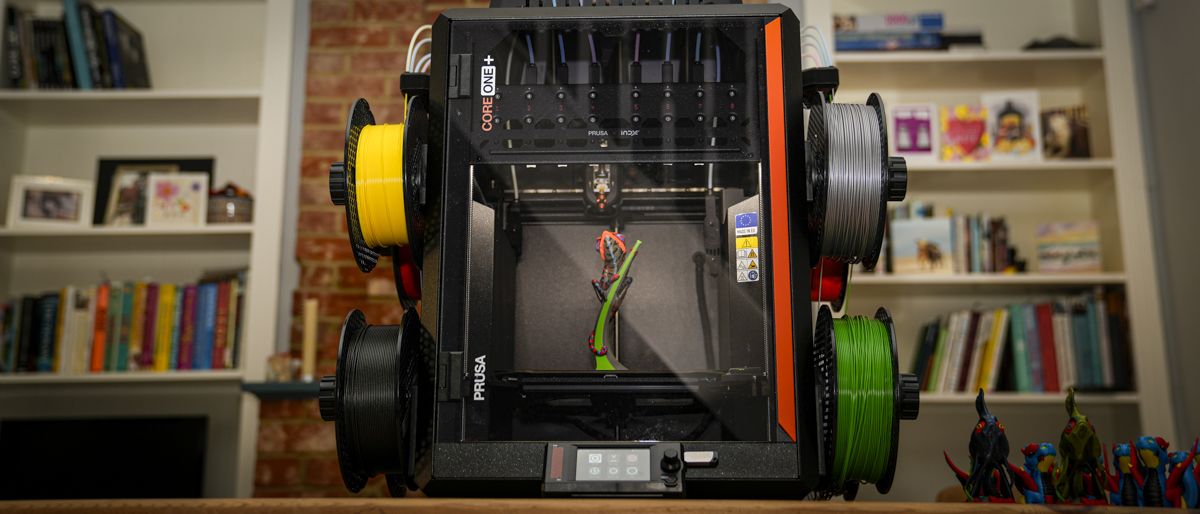
Prusa's CORE One+ with the INDX 8-toolchanger prints multicolor models five times faster than single-nozzle systems, with barely any purge waste. Assembled price is $2,249.
We tested Meshy AI across six practical 3D modeling tasks, from miniatures to calibration cubes, to see if it is actually useful for makers.

Revopoint's new POP 4 combines blue laser and infrared structured light in one body, promising outdoor scanning and AI-powered cleanup for under $600.

A side-by-side filament test breaks down which carbon and glass fiber reinforced material wins for functional prints.
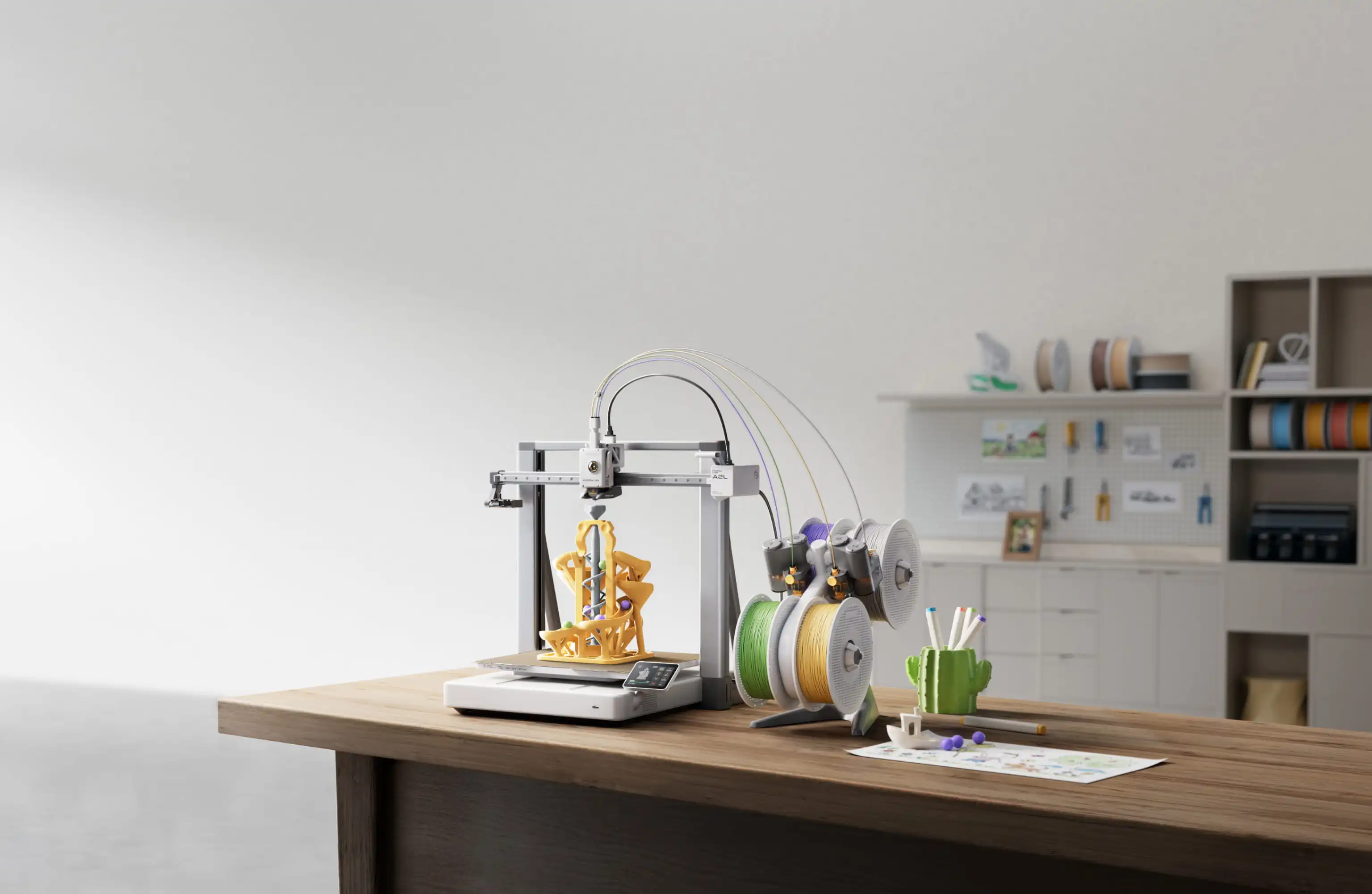
Bambu Lab's A2L brings a 330mm cube build volume, adaptive vibration compensation, and built-in cutting to the sub-$600 mass market.
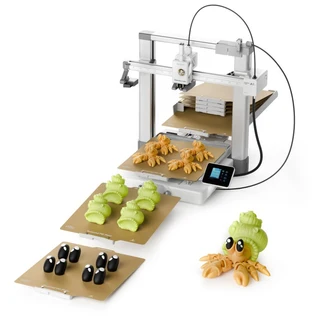
The PlateCycler C1 automates plate swaps on the Bambu Lab A1 so it can run through multiple jobs without supervision.
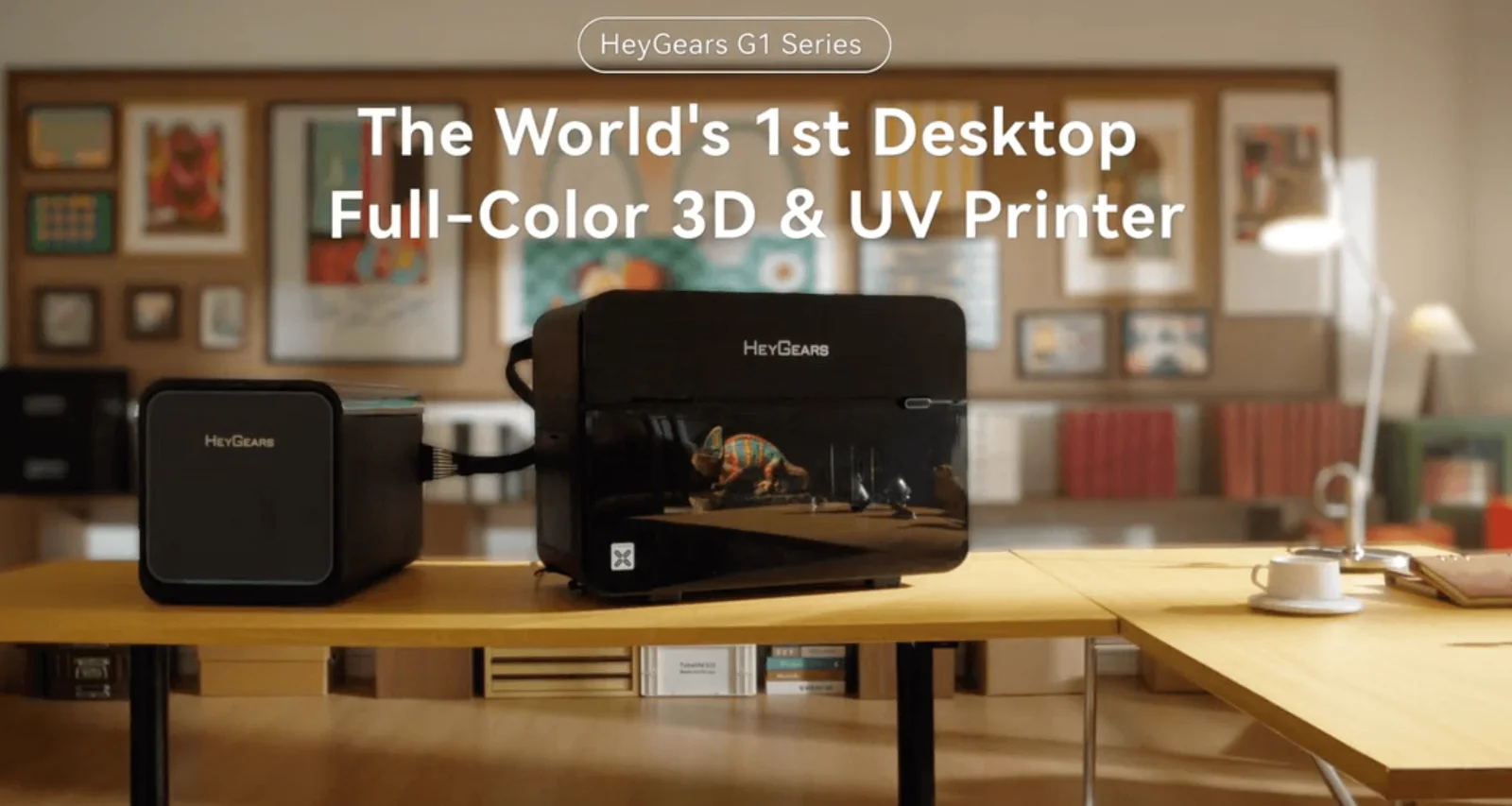
The G1X campaign closes September 11 with over $13M raised. The price tiers and buyer profile tell you more than the marketing.
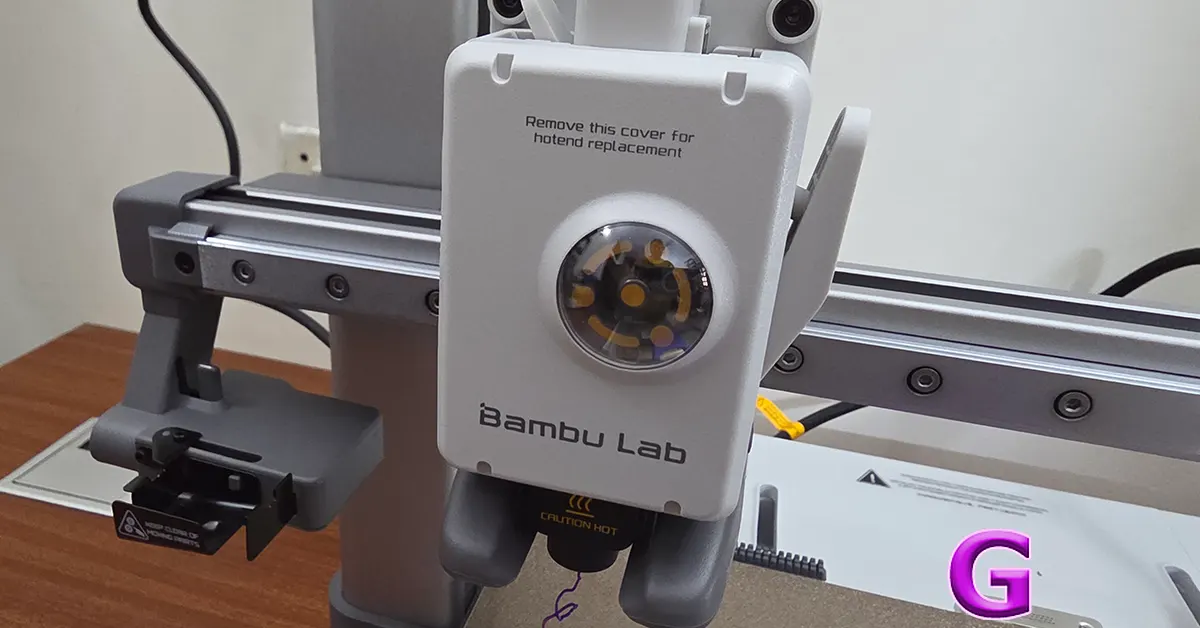
The A2L gives you a 330 mm build cube and reliable multicolor printing without the premium price, though the open frame has limits.
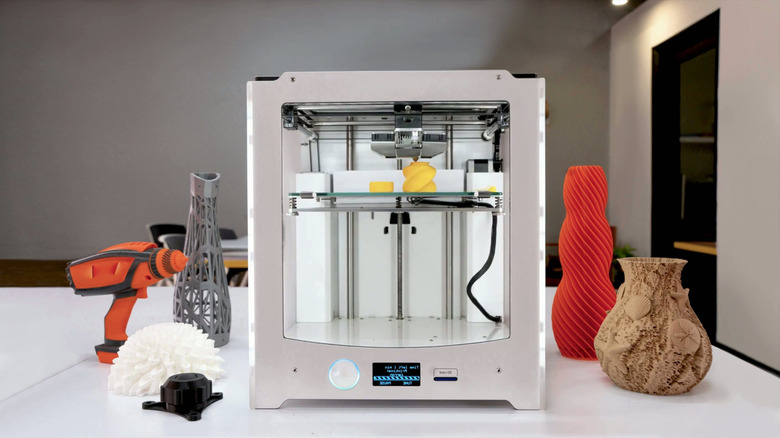
Amazon's 3D printer best-sellers include some real duds. Here are five models that justify their popularity and your money.
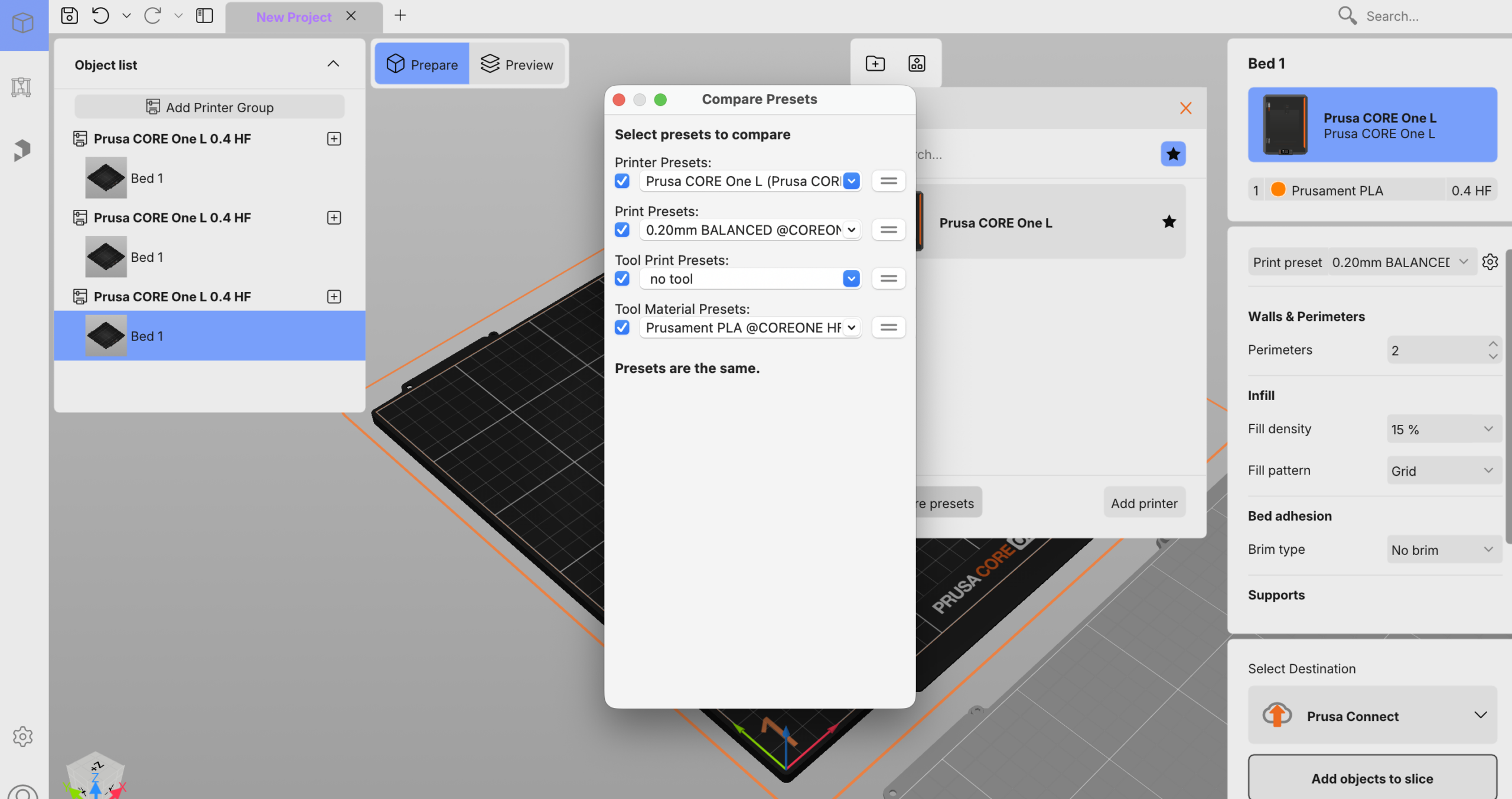
PrusaSlicer 3.0 is not an incremental update, it is a full rewrite with a new UI, faster slicing, multi-tool profiles, and an offline mode for defense and aerospace users.
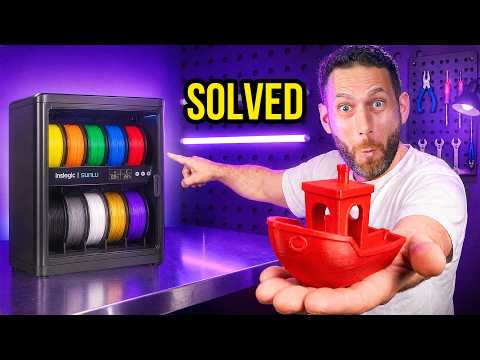
The SUNLU i10 promises to fix wet filament and failed prints. After a week of testing, here is how it actually performs.

We tested Meshy AI across six real 3D printing tasks to see if text-to-3D models are ready for your print bed.
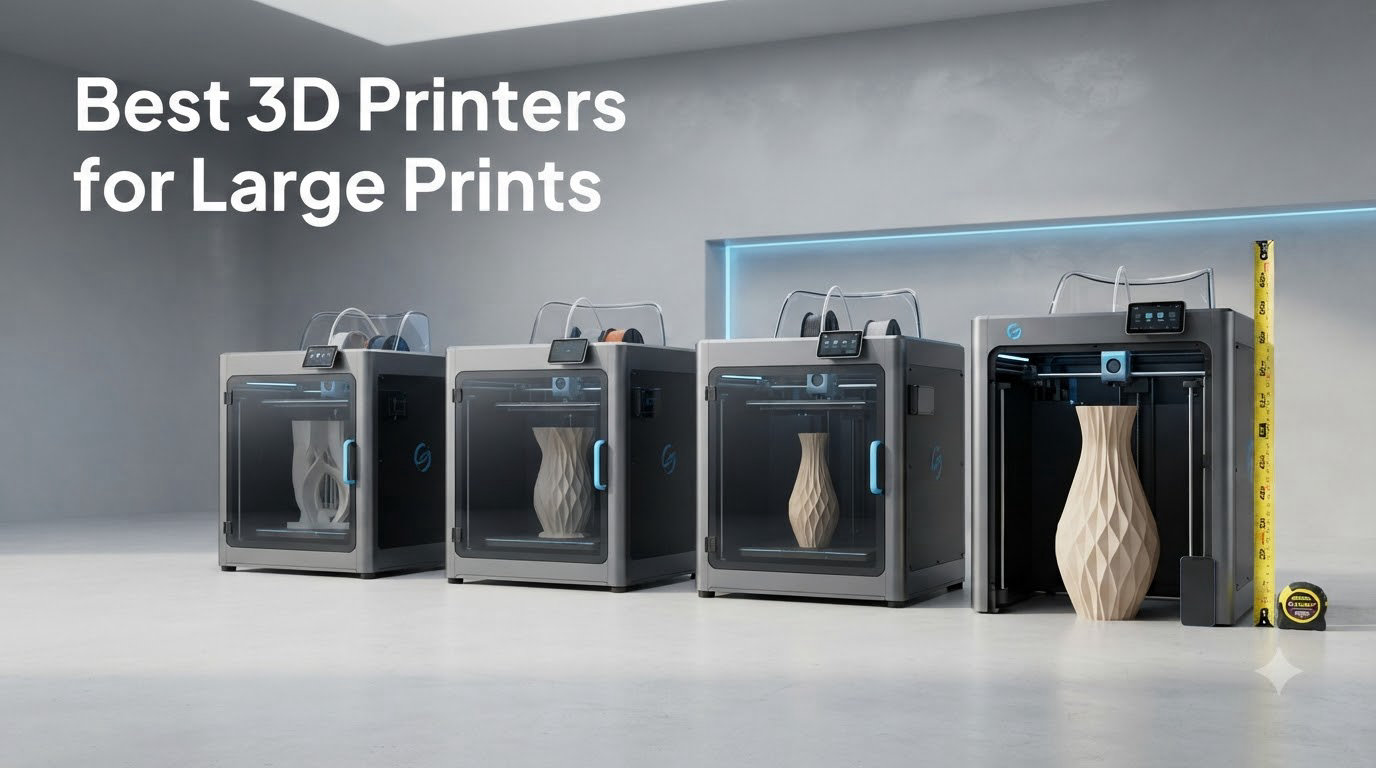
We tested eight large-build 3D printers and found which ones handle big prints without the headaches.
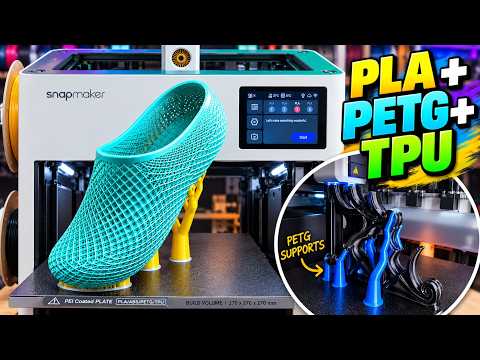
Snapmaker's U1 swaps four toolheads in seconds instead of purging filament through one nozzle. After extensive testing, it is the most practical multi-material printer under $1,000.
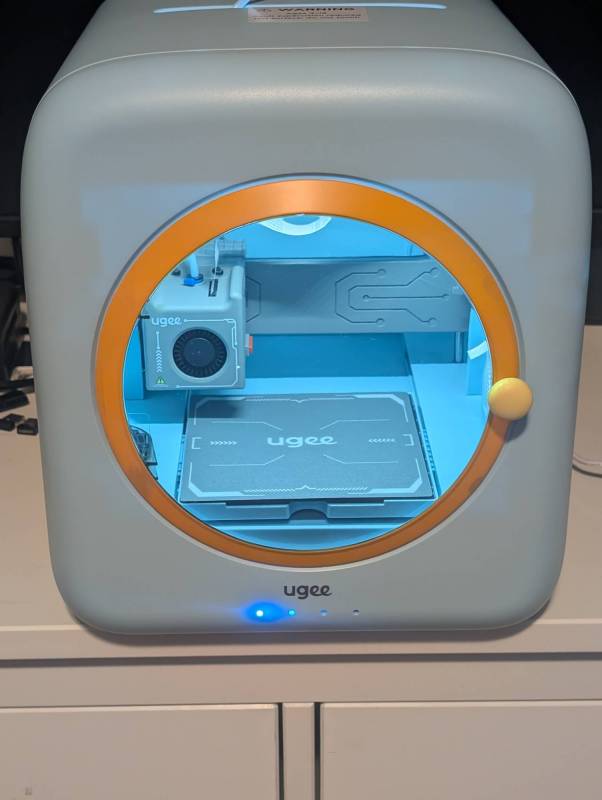
Ugee's enclosed Funbox 3D printer is designed for ages 4 to 12, with a simple app, safe form factor, and surprisingly capable output.
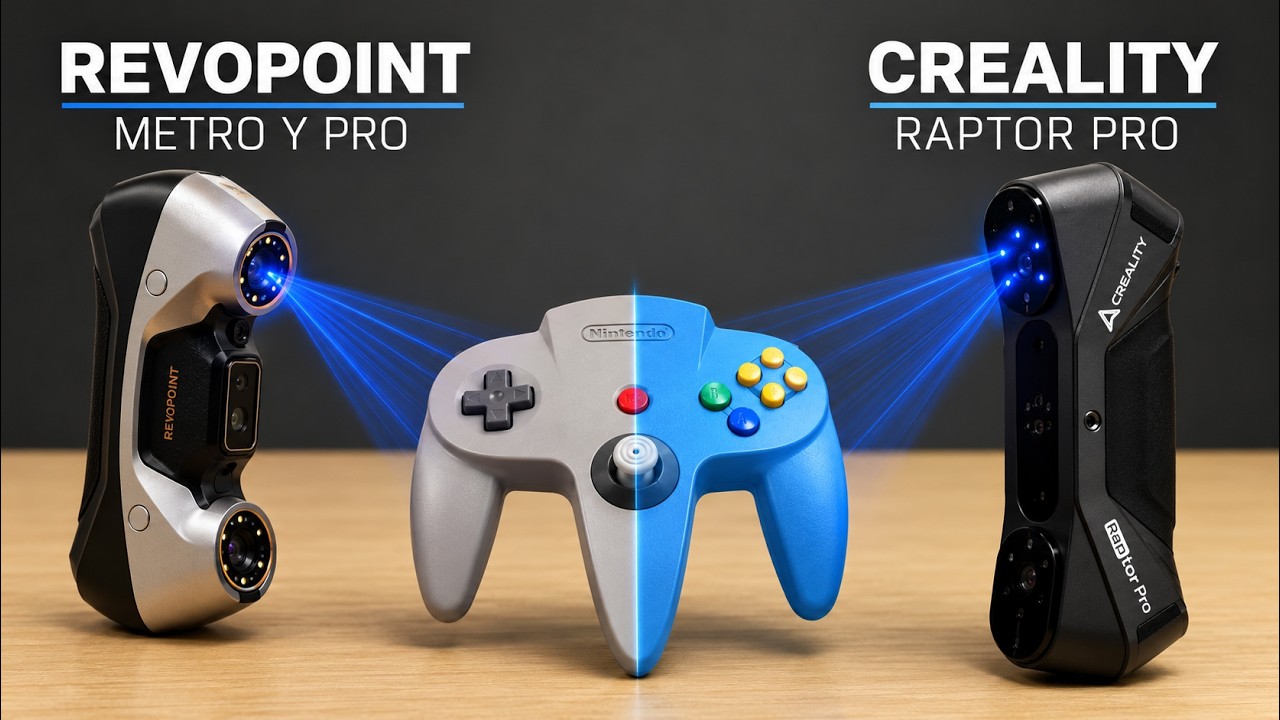
Stefan Hermann puts two popular laser-line 3D scanners through real-world tests on N64 controllers, Vespa parts, and more to see which one actually deserves your money.
The FilaDC i10 keeps up to 10 spools dry without heat damage, but does it replace your current filament rig?

We tested Meshy's AI across six practical modelling tasks, from miniatures to engineering cubes. Here is what got it right and where it failed.
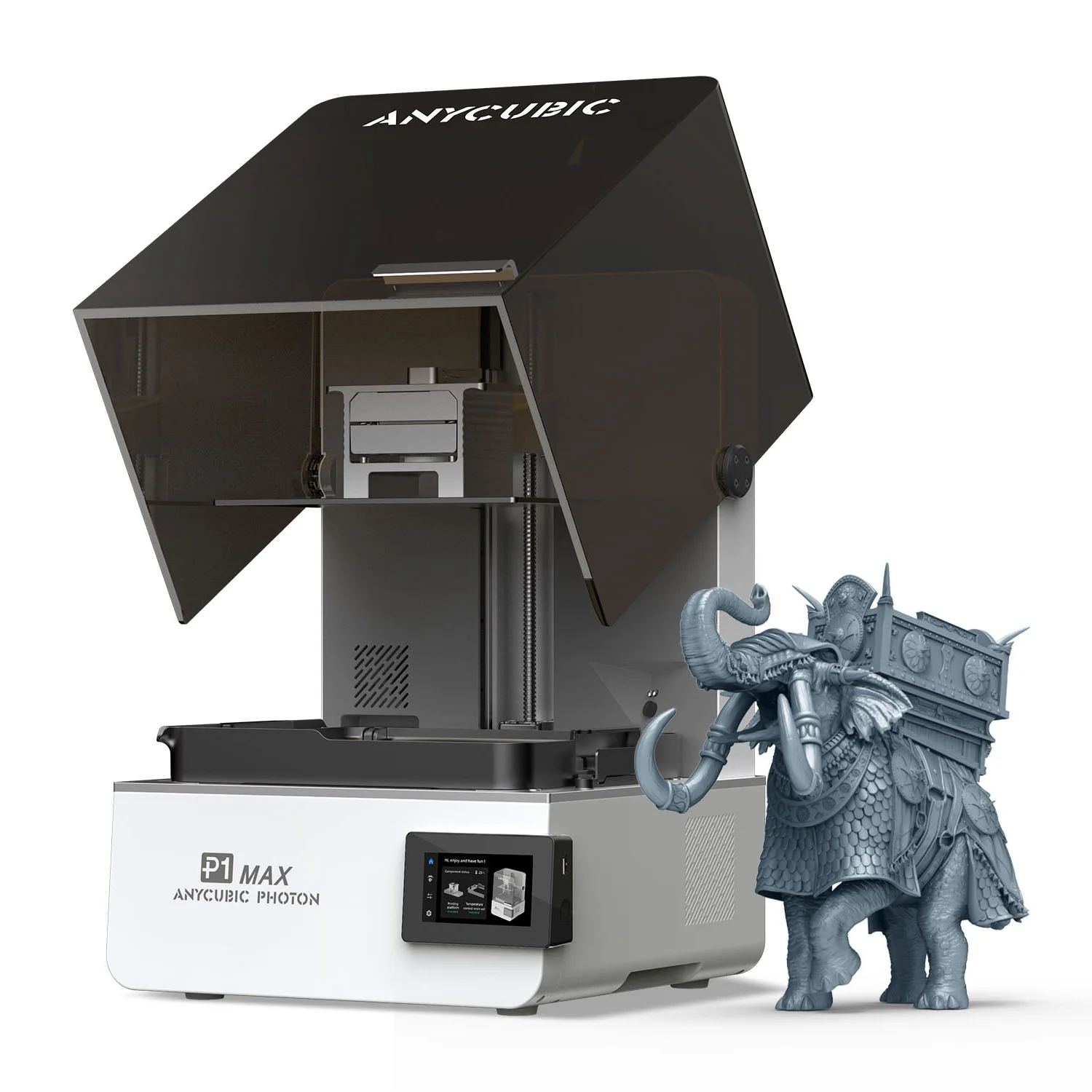
The P1 MAX brings a heated vat, Wave Release technology, and a 285 x 214 x 300 mm build volume. At $1,149, it is one of the better large-format resin options on the market right now.
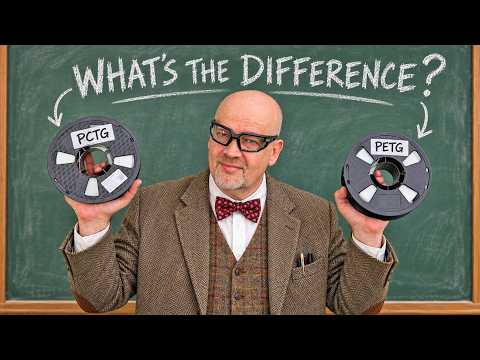
A new side-by-side test from CC3D and My Tech Fun compares transparent PETG and PCTG filaments on print performance, strength, and impact resistance.
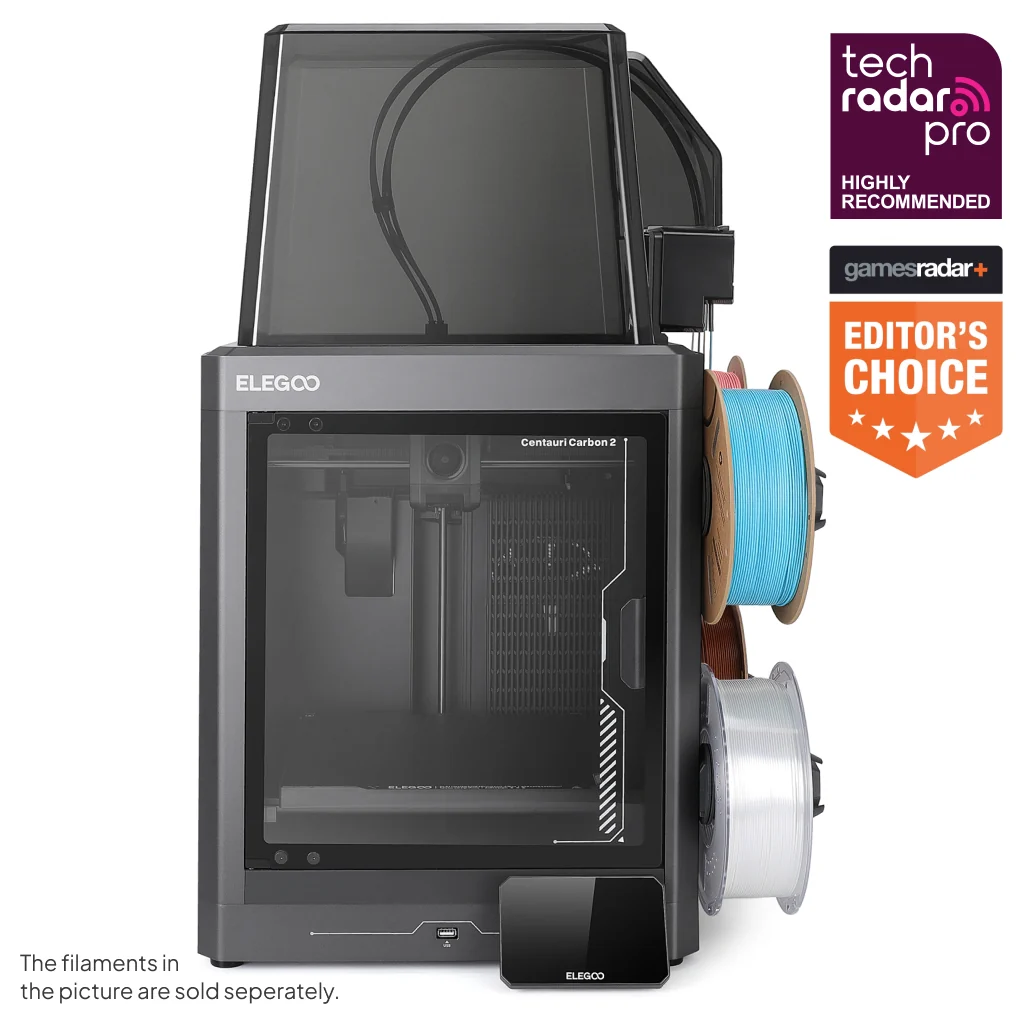
The Centauri Carbon 2 Combo adds Elegoo's CANVAS multicolor system to an already solid CoreXY platform, making four-material FDM printing genuinely affordable.
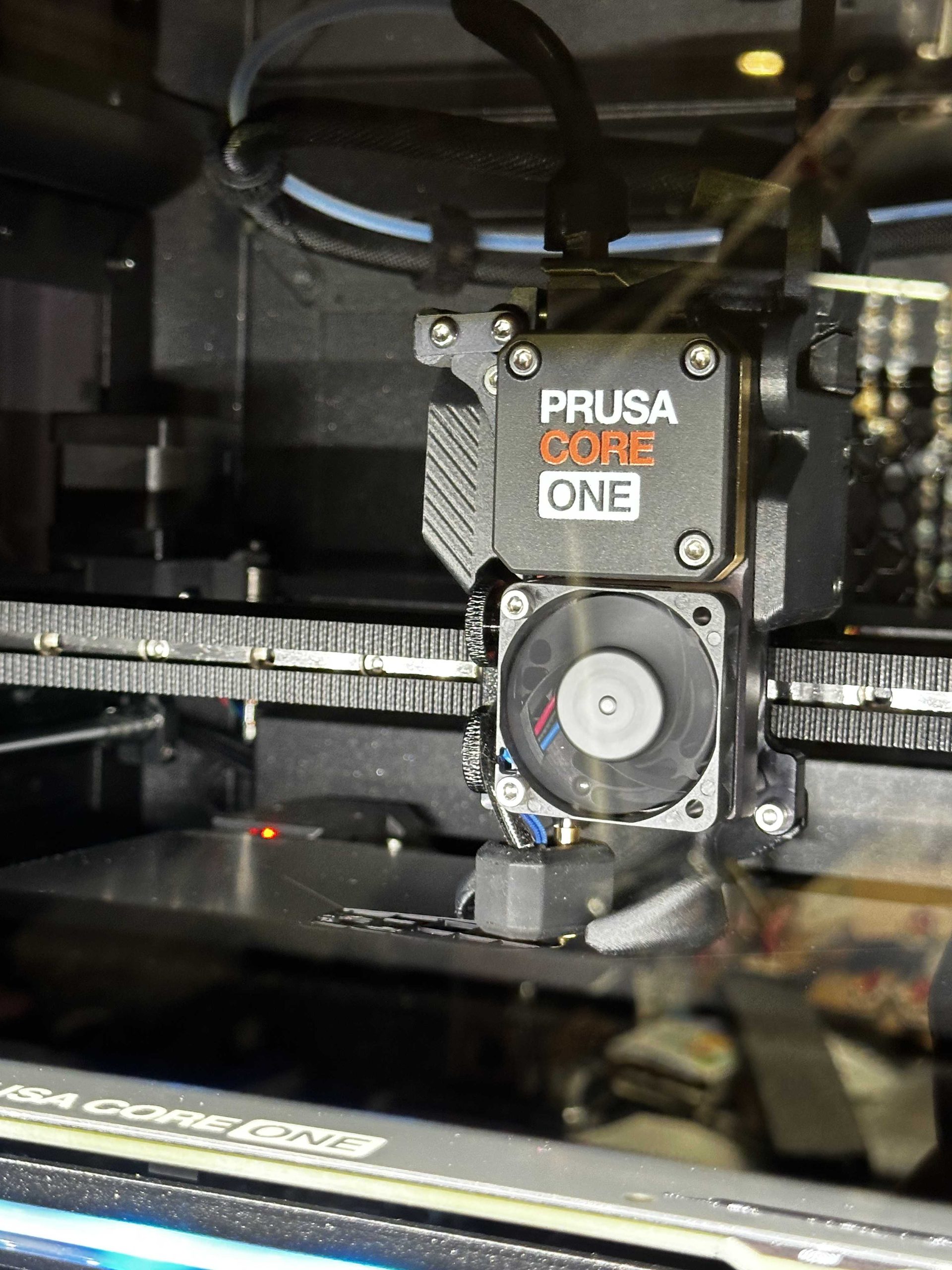
The Prusa CORE One+ is the printer to buy if you have never owned a 3D printer before. Our hands-on review shows why.
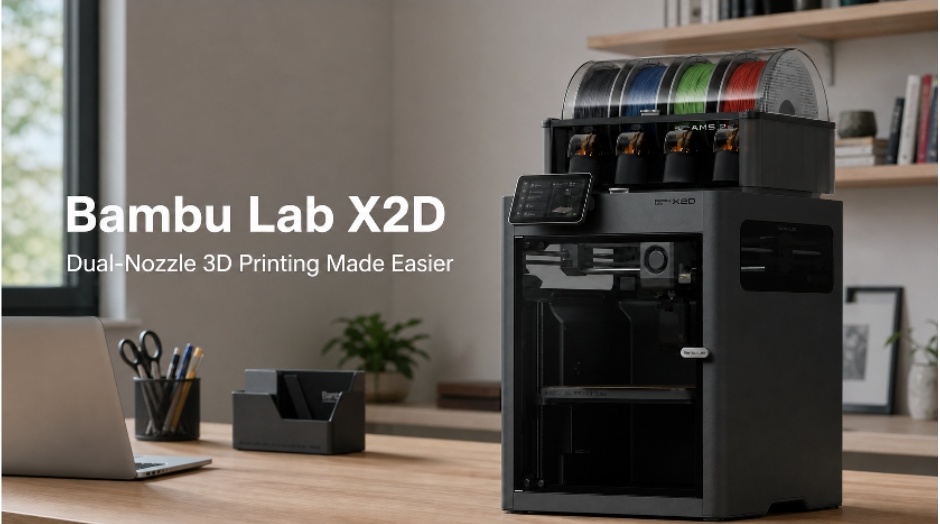
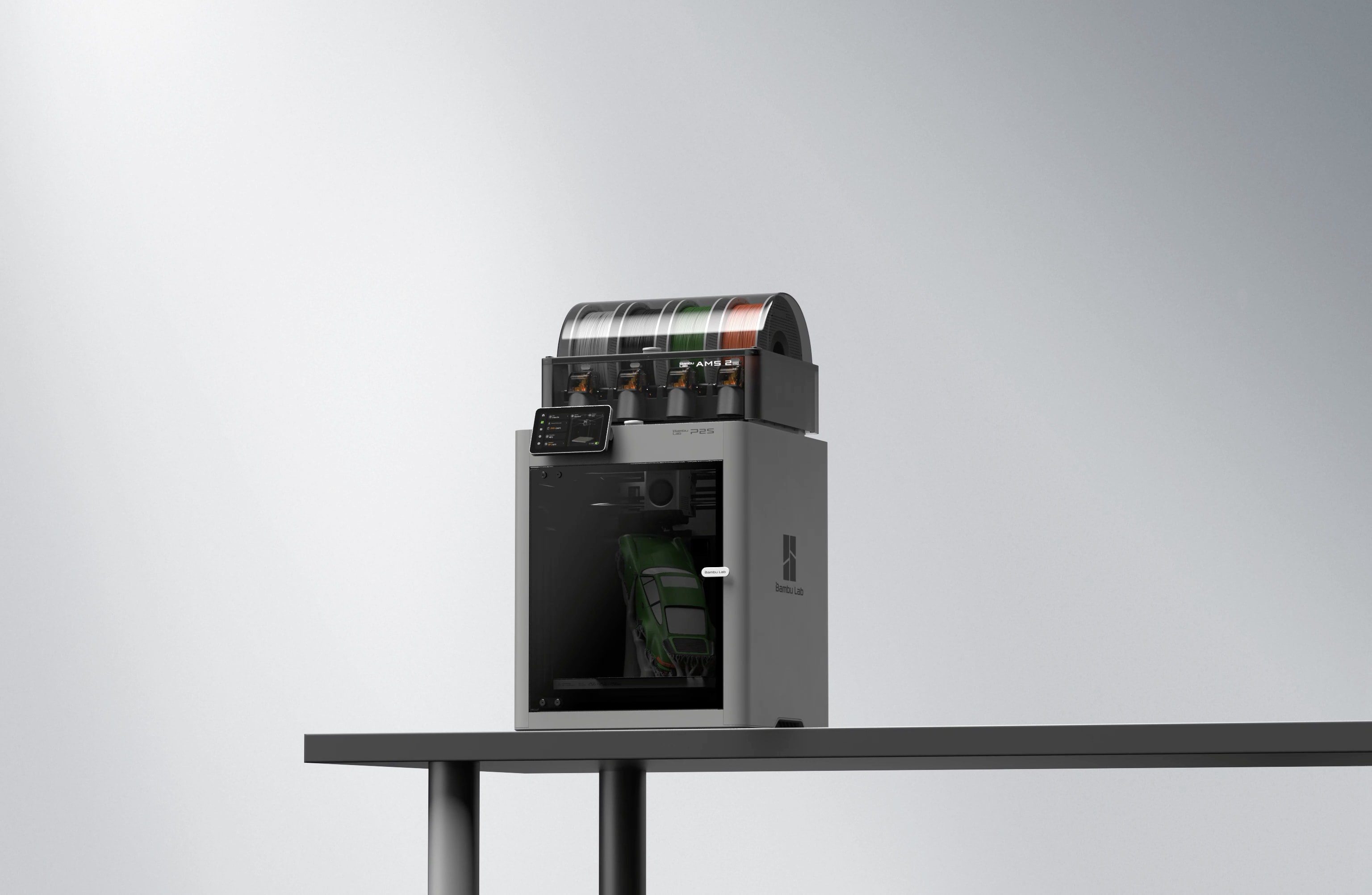
Bambu Lab's new X2D dual-nozzle printer handles multi-color prints, soluble supports, and high-temp materials in a home-friendly package.
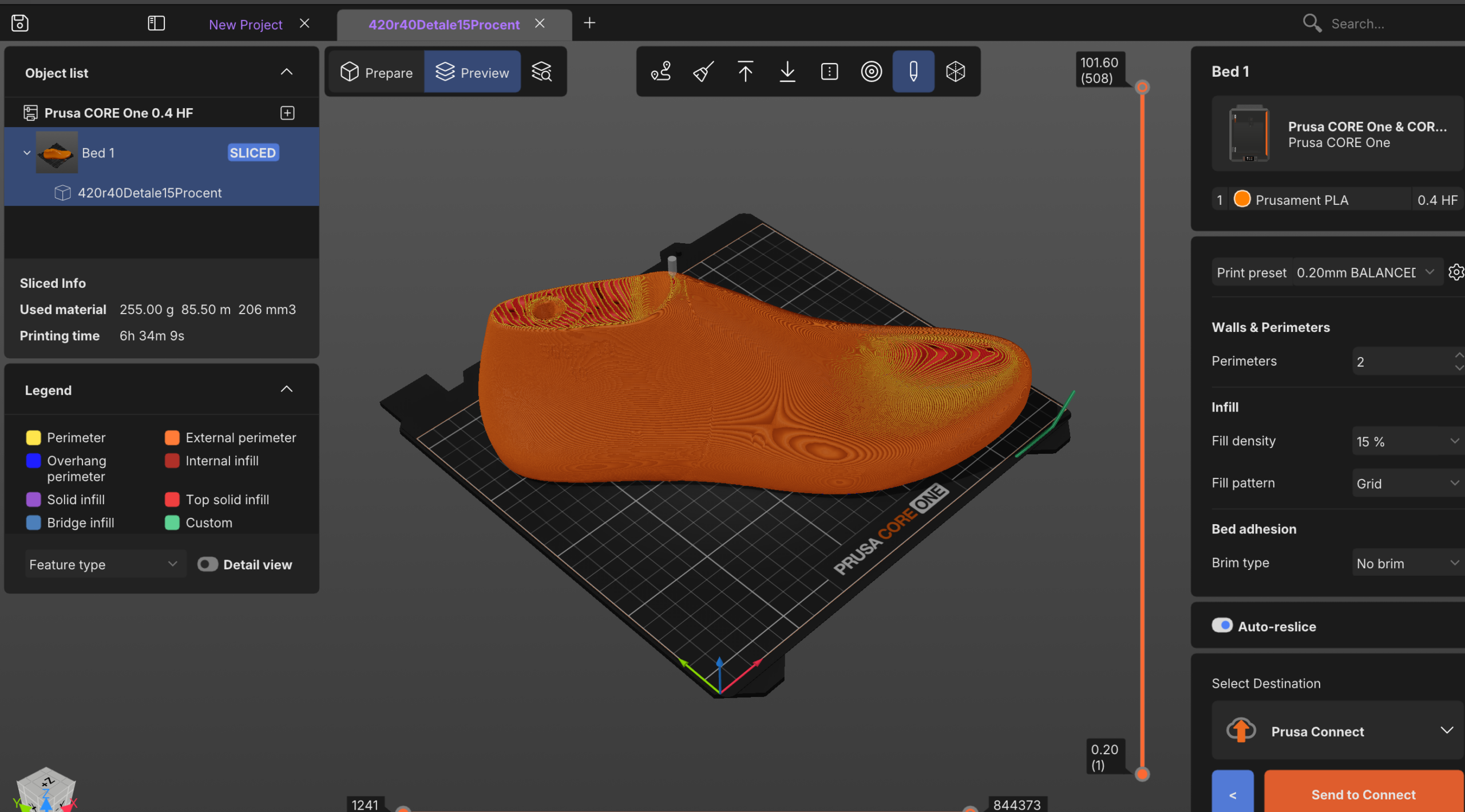
Prusa Research rewrote PrusaSlicer from the ground up, shipping 3.0 as a preview on the 15th anniversary of the original Slic3r commit.
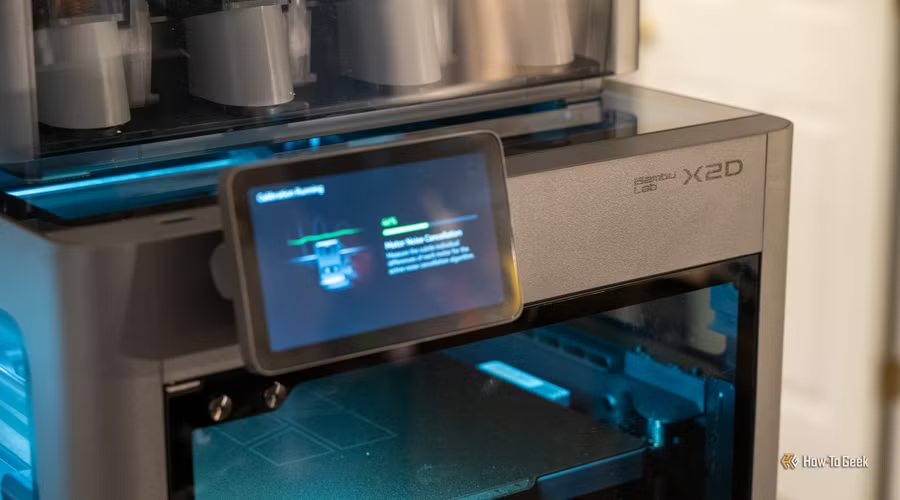
The X2D brings dual-nozzle printing, active chamber heating, and factory filtration for under $1,000. Is this Bambu's best value?
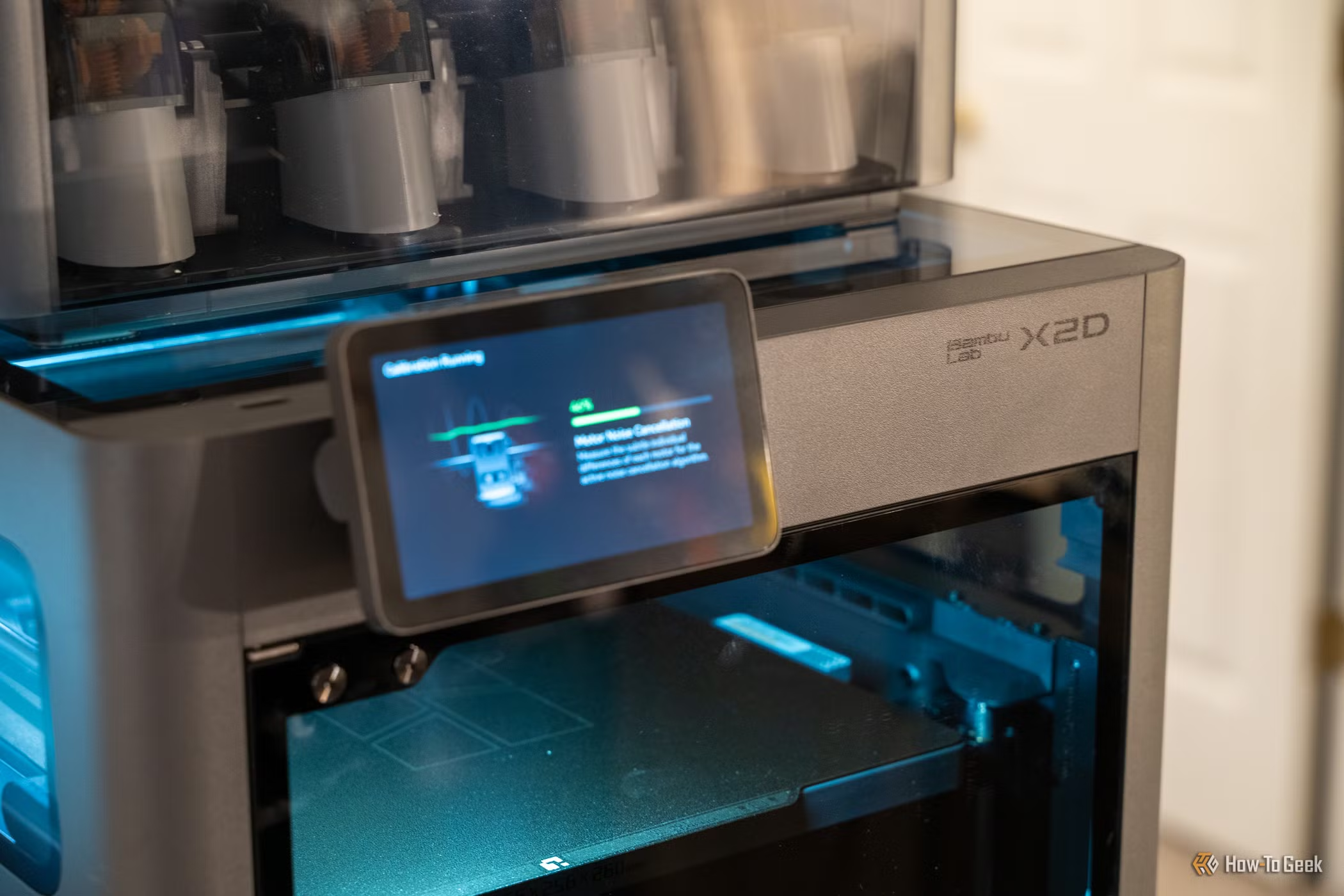
The X2D adds a heated chamber, dual nozzles, and better filtration for under $900, making it the best value in Bambu's current lineup.
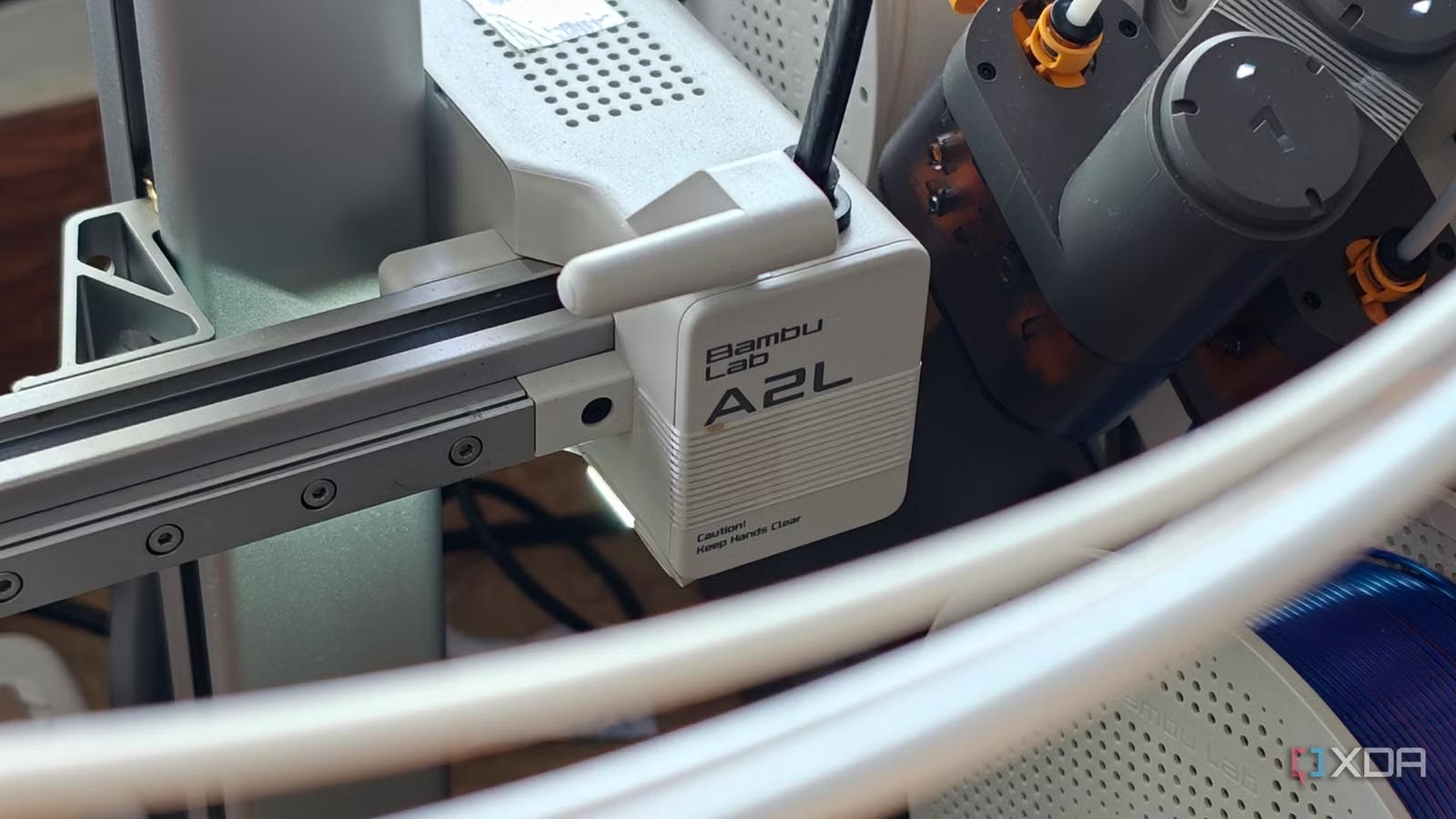
The Bambu Lab A2L trades a CoreXY chassis for a bedslinger design and delivers double the build volume for less money.
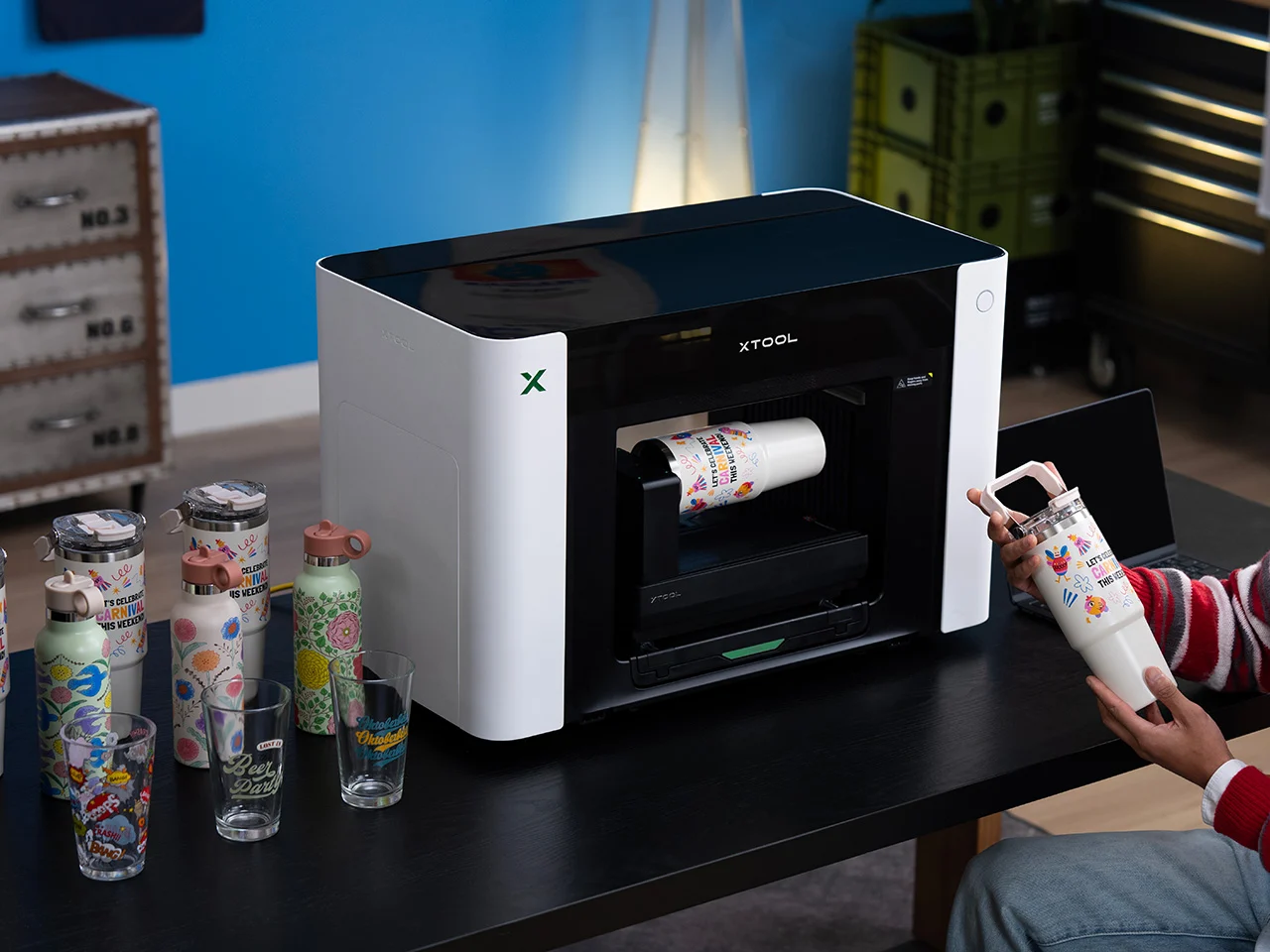
xTool's new O1 Omni merges UV, DTG, DTF, and UV DTF printing in one machine. Day-one sales hit $20M. Here is what it actually does.
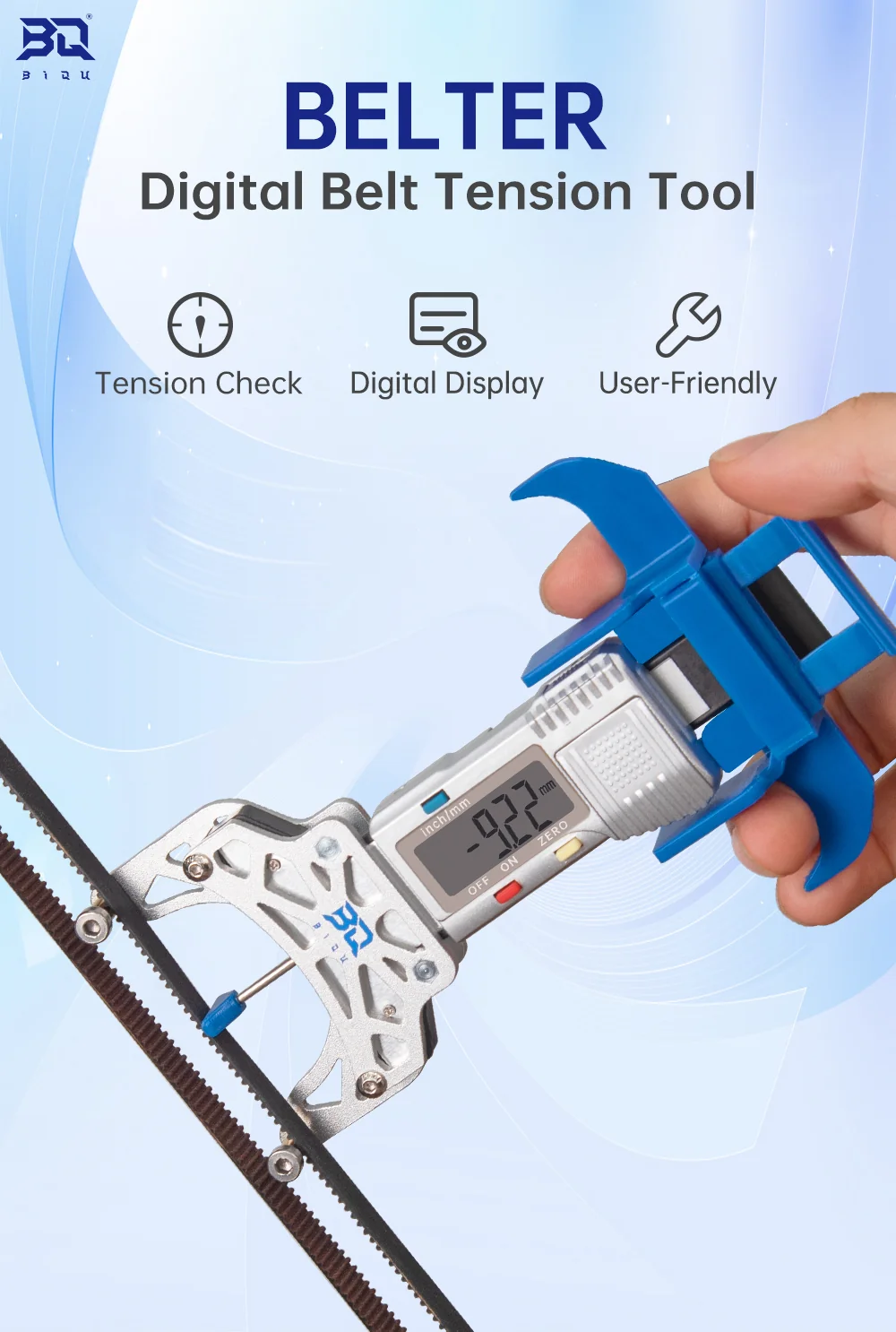
A fresh GitHub push for the BIQU Belter shows BigTreeTech is still refining its compact digital belt tension gauge for Voron, RatRig and CoreXY builders.
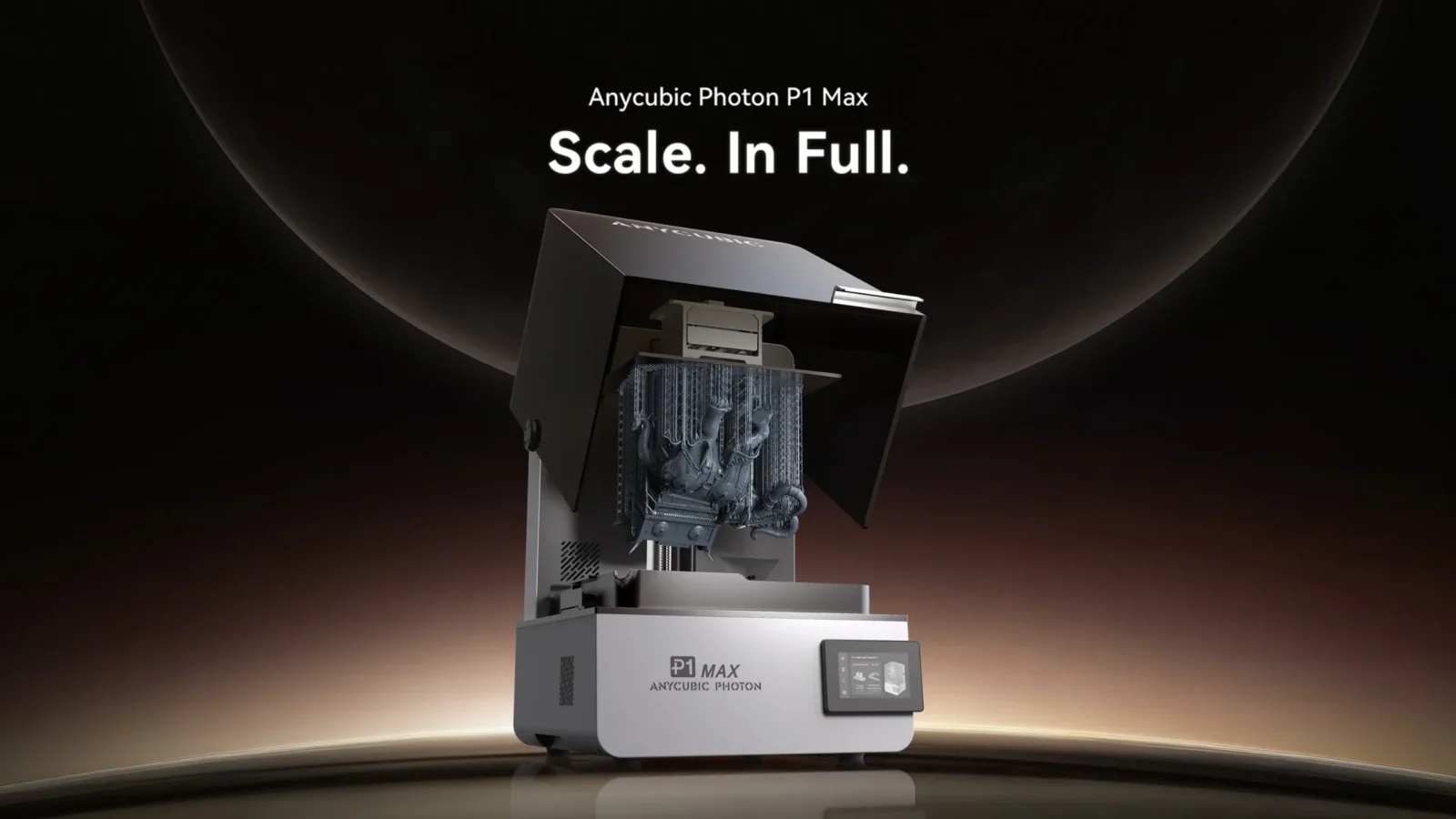
Anycubic's large-format resin printer packs 18.3 liters, a heated vat, and AI-assisted reliability into a $999 package.
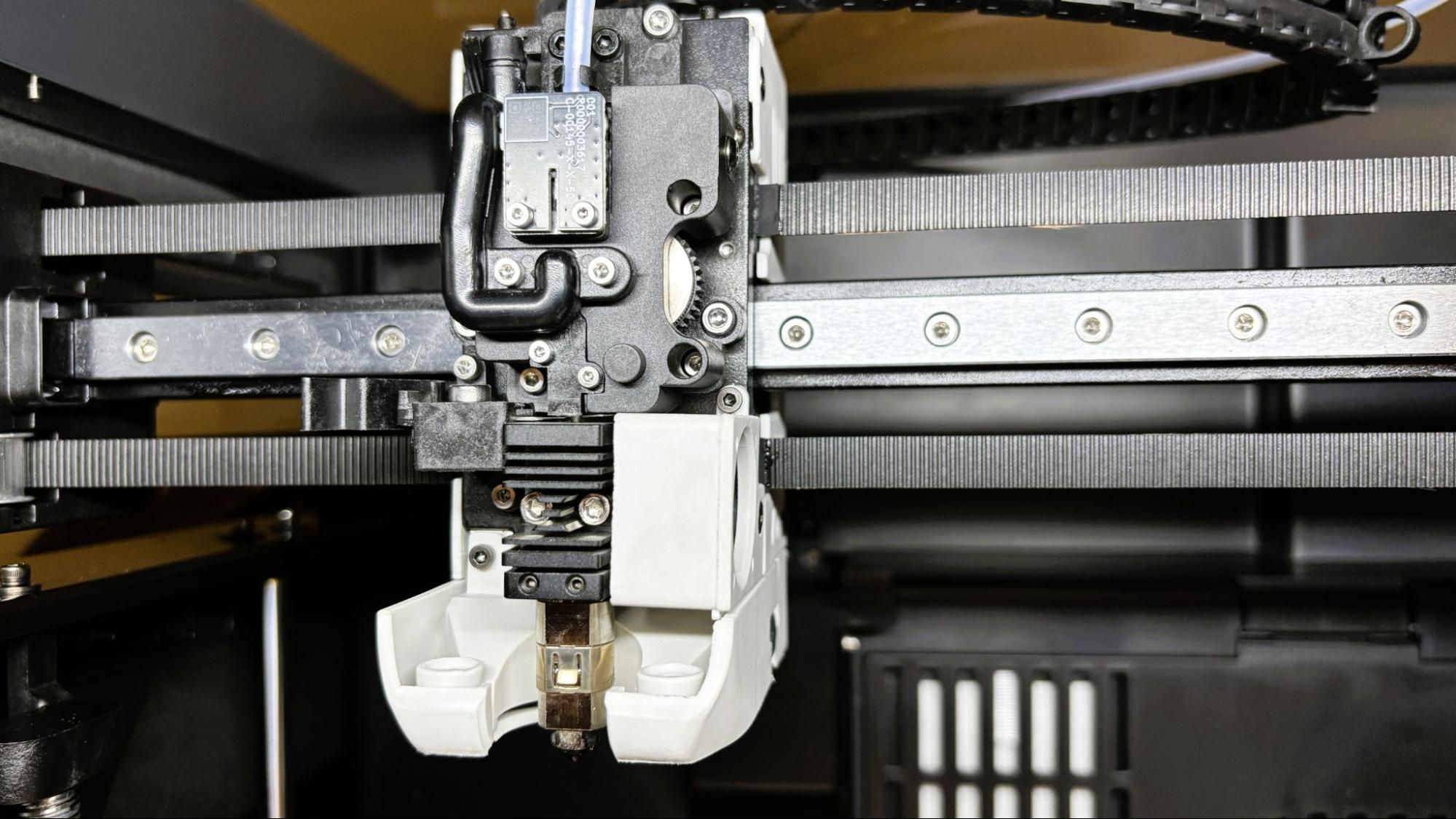
QIDI's Plus5 undercuts Bambu's H2 series while adding a heated chamber and a 370C hotend.

The PanX simulation platform founders explain why bootstrapping AM process simulation produced a better product than VC-funded growth ever could.

The Czinger 21C Spyder is 23% 3D-printed, with a new fully integrated BrakeNode that removes 15% from stopping distance and cuts unsprung mass by 30%.
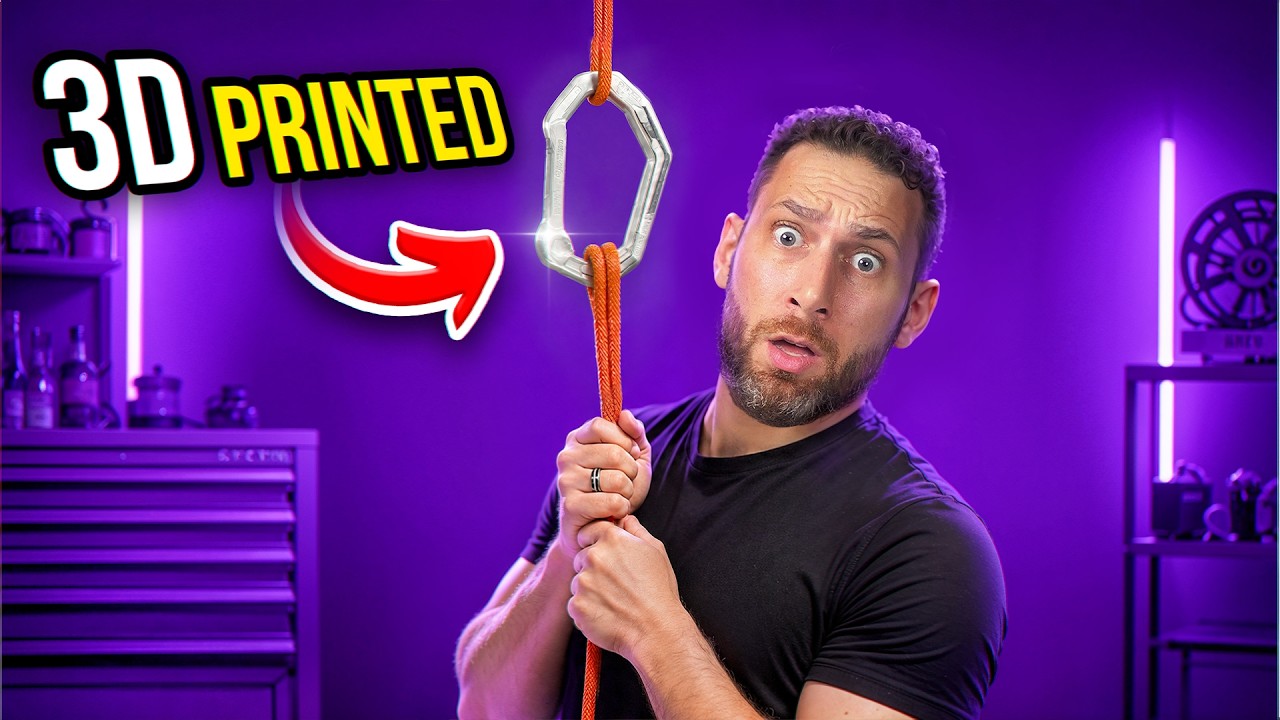
A hands-on test of a $5,000 desktop continuous carbon fiber printer shows real strength gains, but also the gap between marketing and workshop reality.
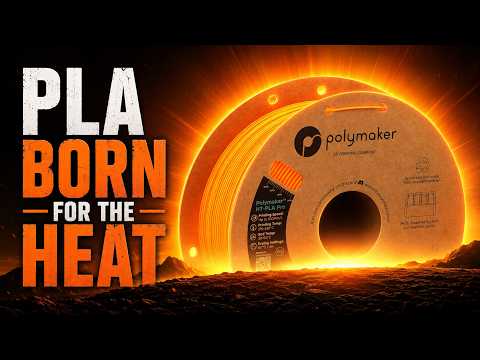
Polymaker's new HT-PLA Pro promises impact strength twice that of standard HT-PLA while printing on ordinary desktop machines without an enclosure.
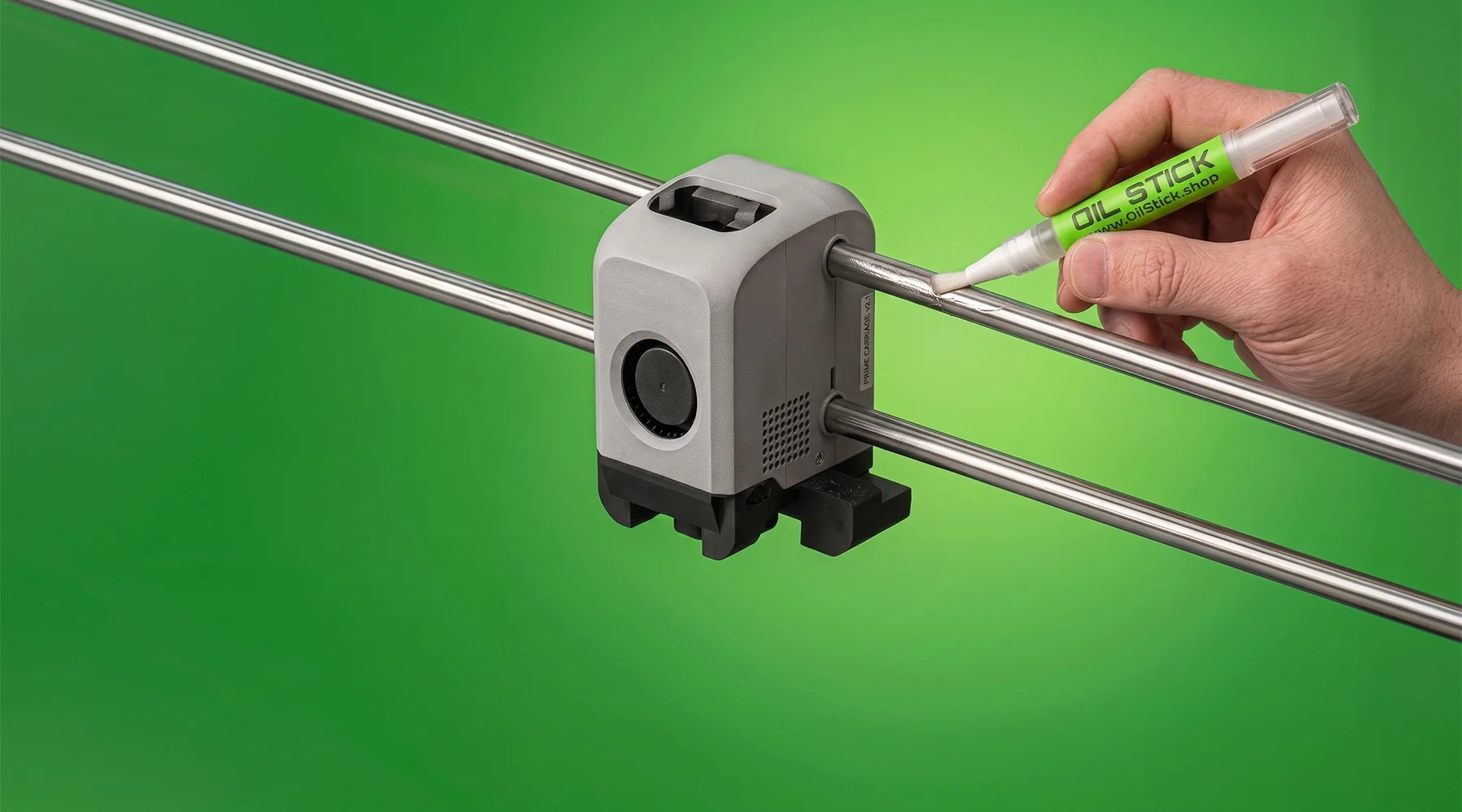
The OilStick is a brush-tip lubricant pen built for anyone tired of oily rails and messy print beds.
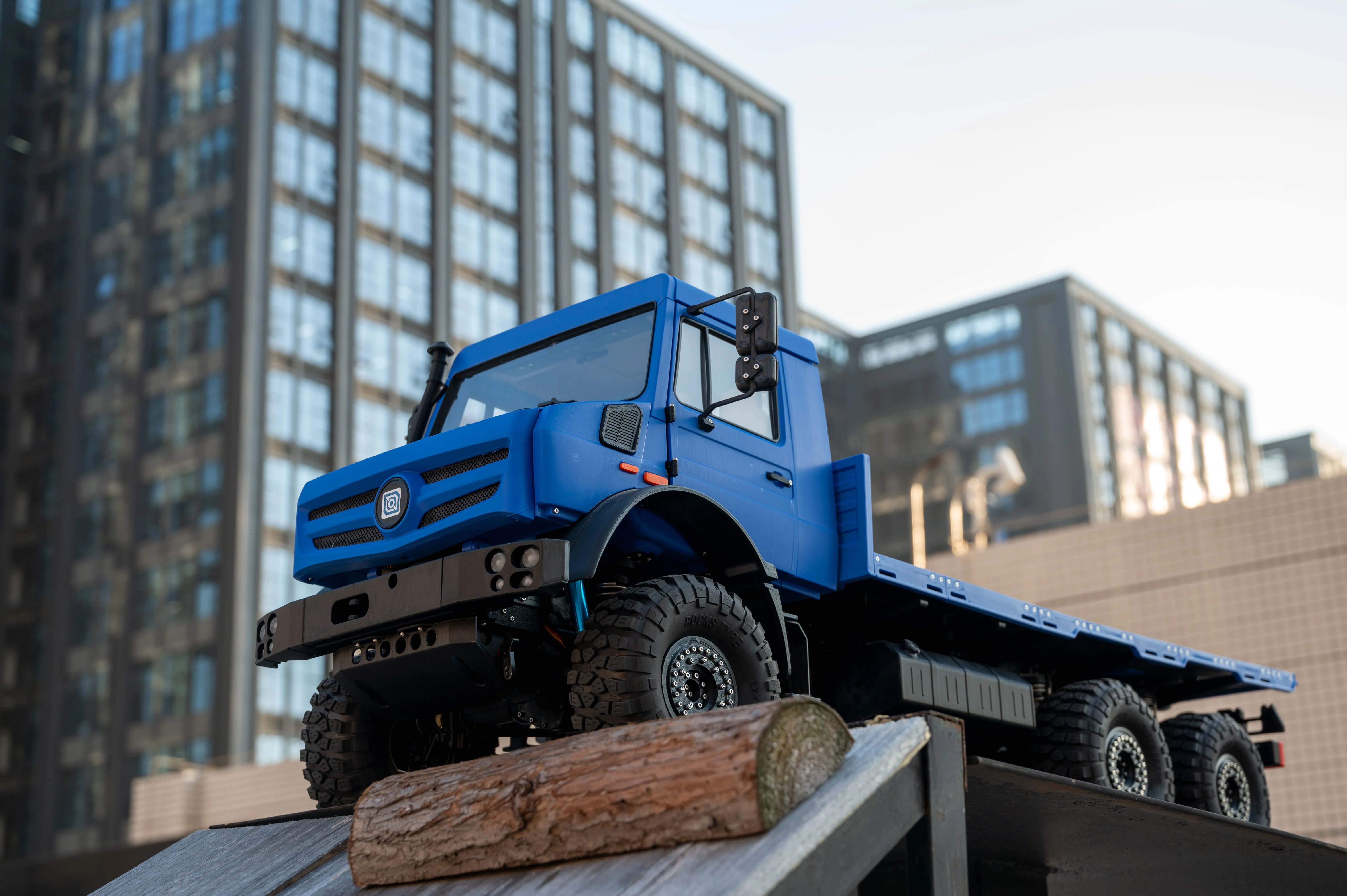
The LDO Motion MOG kit turns a desktop 3D printer into a factory for a fully functional Unimog tribute truck.
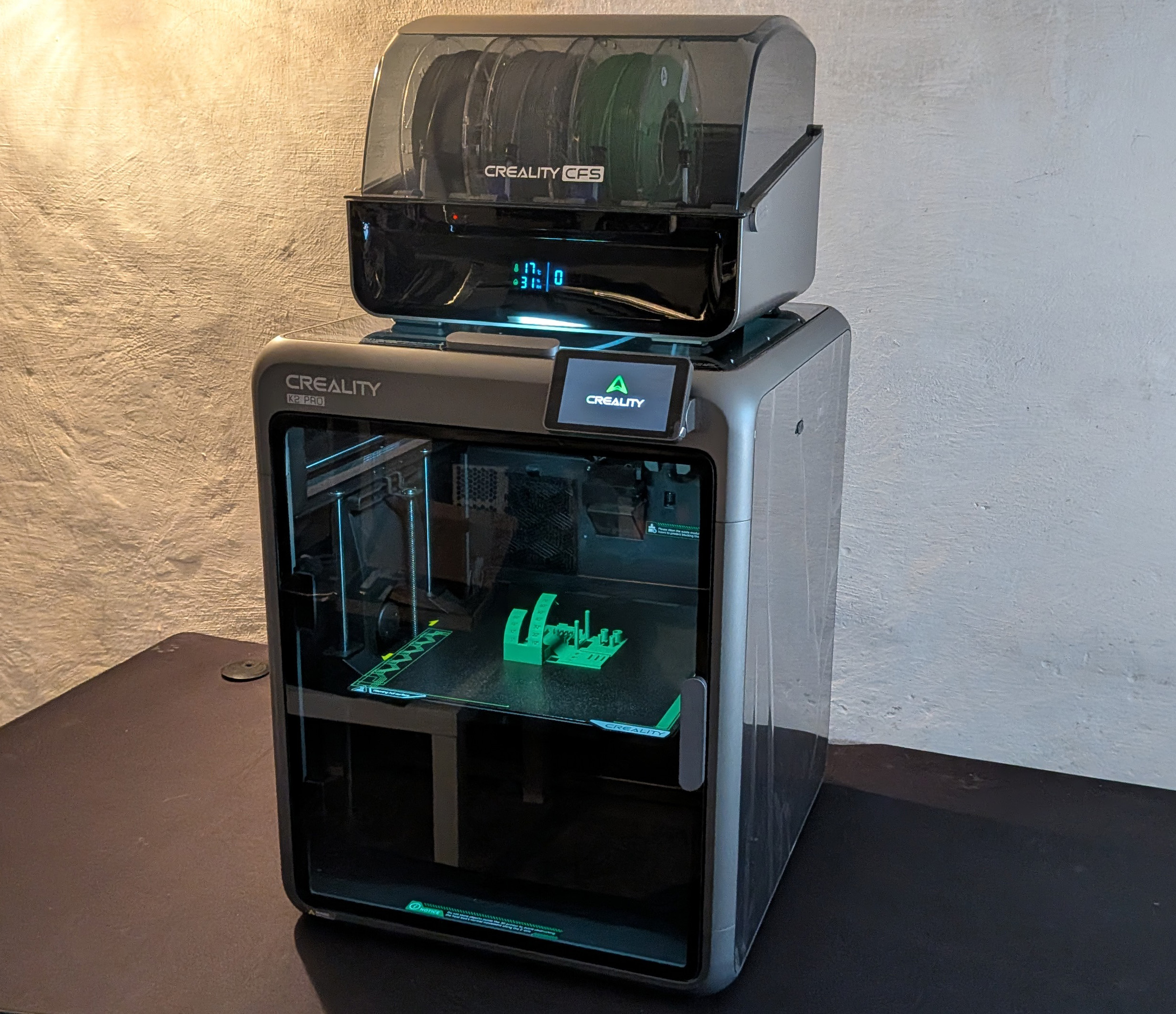
The K2 Pro Combo gives you a 300 mm enclosed build volume and reliable multicolor printing for around 750 euros, but the chamber heater and CFS leave room for improvement.
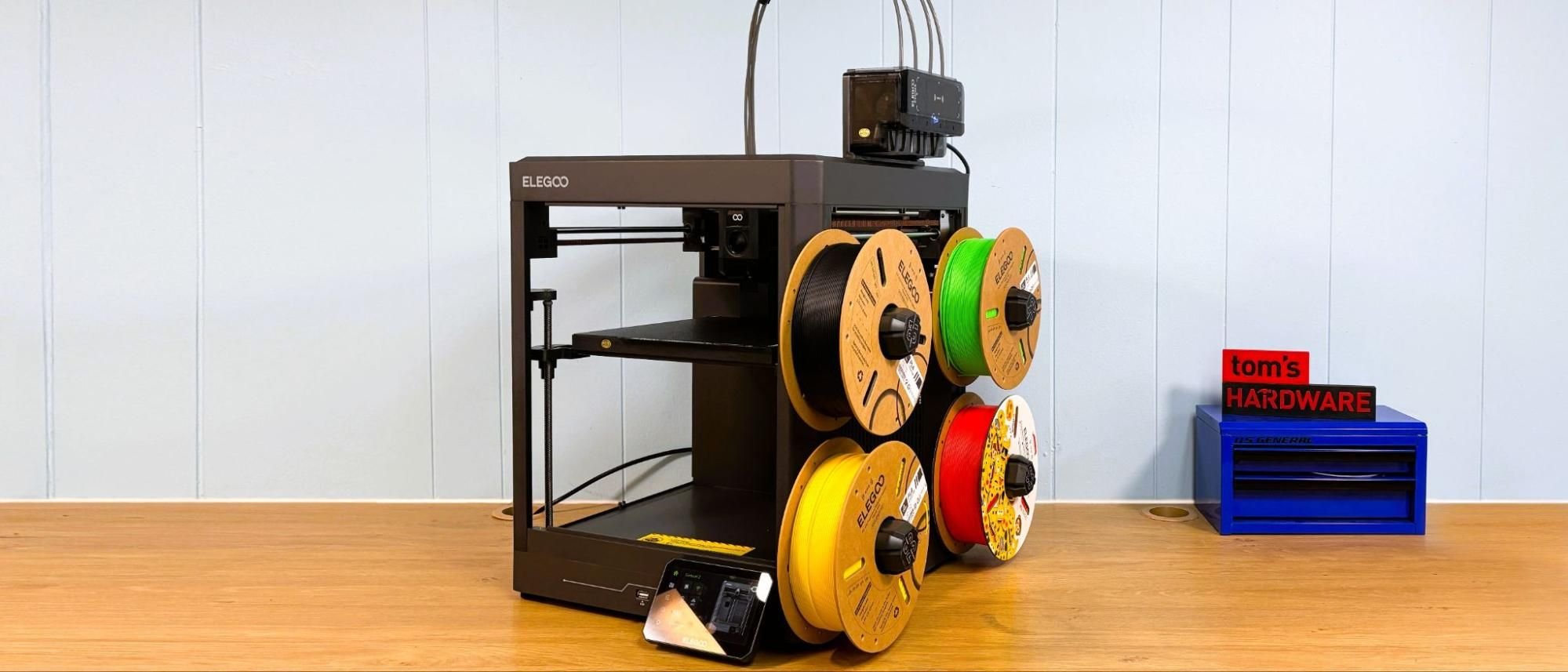
The Centauri 2 Combo prints fast and handles four colors well, but the enclosed Carbon 2 Combo at $379 is the better long-term buy.
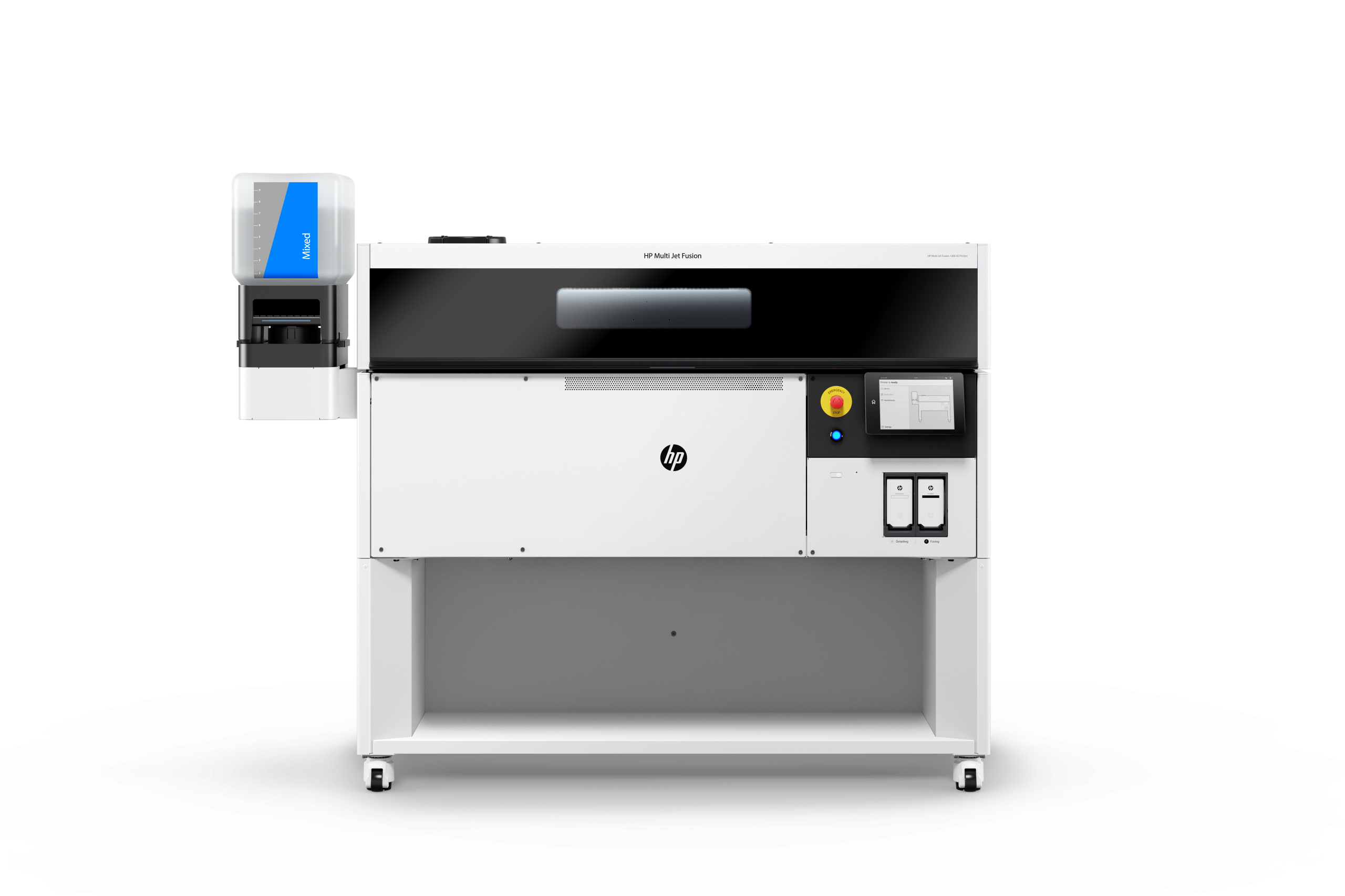
HP's new MJF 1200 system shrinks industrial multi jet fusion 3D printing into an office-ready package, with early access open now.

After seven months of daily multi-color printing, the K2 Plus hardware holds up well, but Creality's CFS system has proven to be a reliability and waste problem.
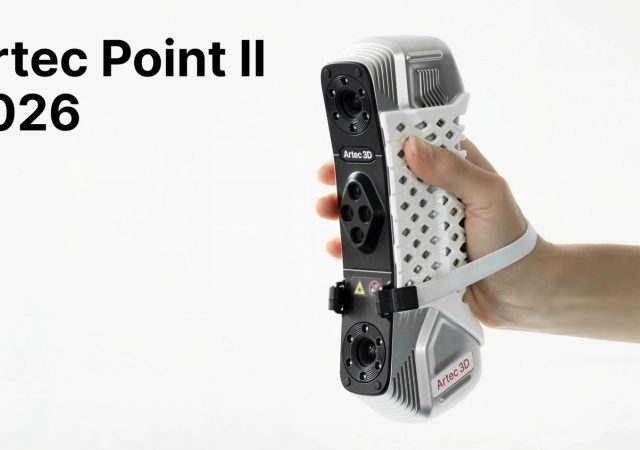
Artec 3D's new Point II handheld laser scanner captures 5.8 million points per second while keeping its certified 0.02mm accuracy.
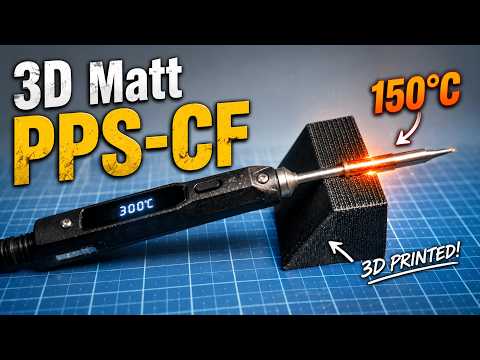
PPS-CF brings 240C heat resistance and V-0 flame rating to desktop FDM printers, but it demands serious hardware and strict drying discipline.
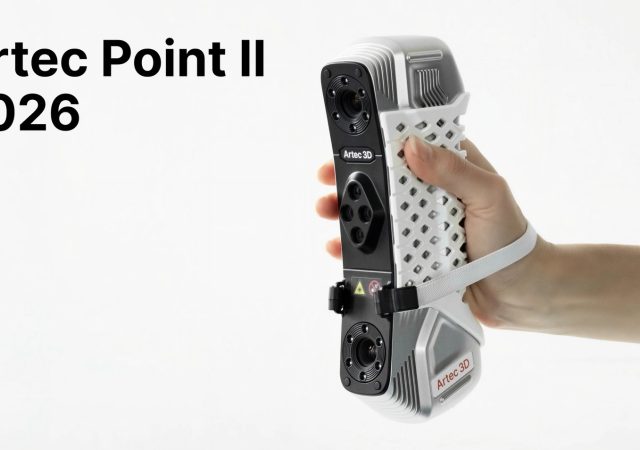
Artec 3D's new Point II handheld laser scanner captures 5.8 million points per second while keeping its certified 0.02mm accuracy.
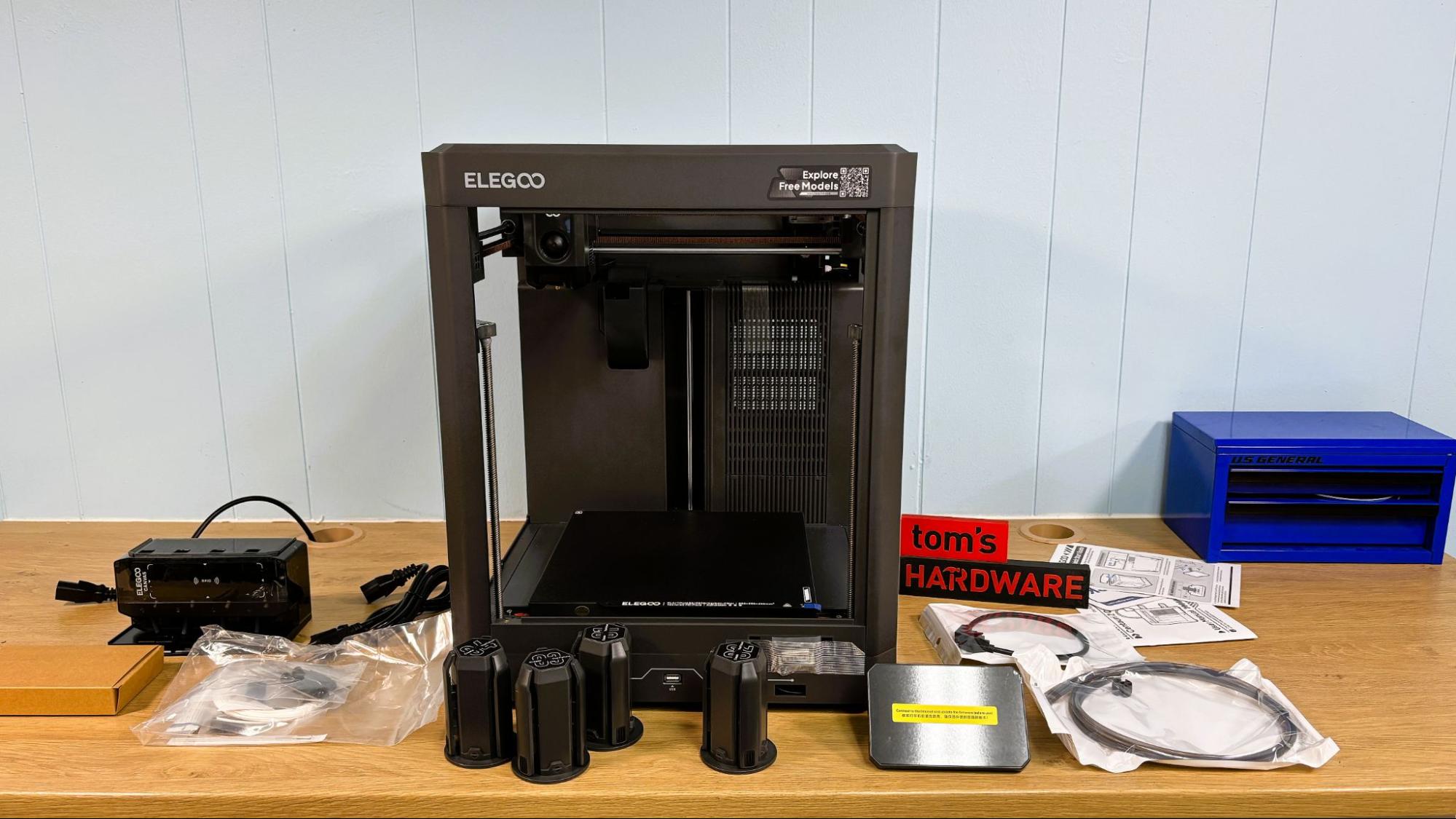
Elegoo stripped down the Centauri Carbon 2 into a $319 four-color Core XY printer. The print quality holds up. The compromises do not.
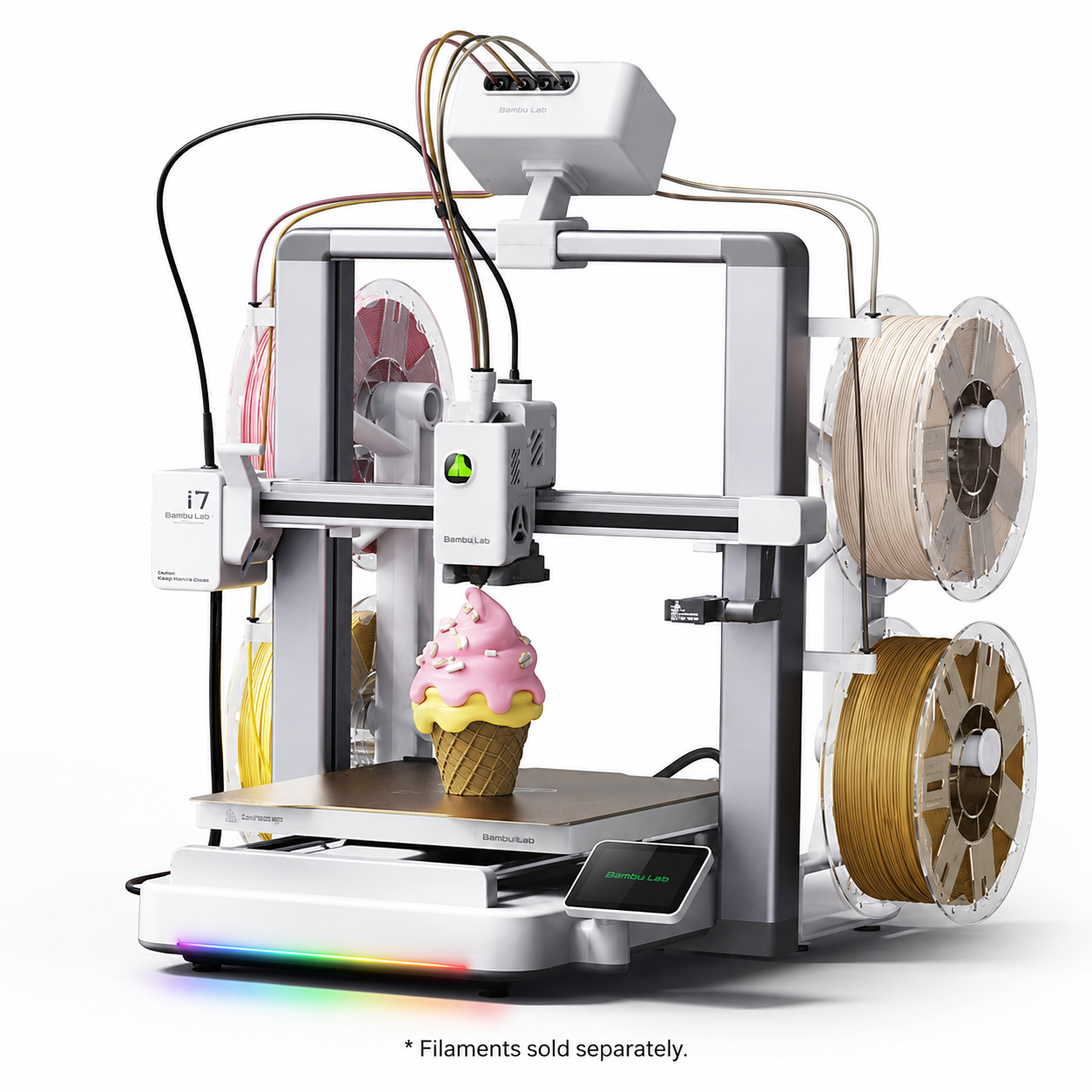
The SPARKX i7 Nano shrinks multicolor FDM printing down to a $299 footprint with a snap-on CFS nano kit and AI camera monitoring.
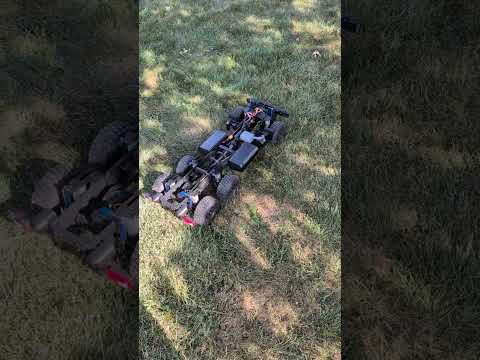
LDO Motion's MOG kit turns a standard 3D printer into a 582-part RC truck factory, and the result actually runs off-road.
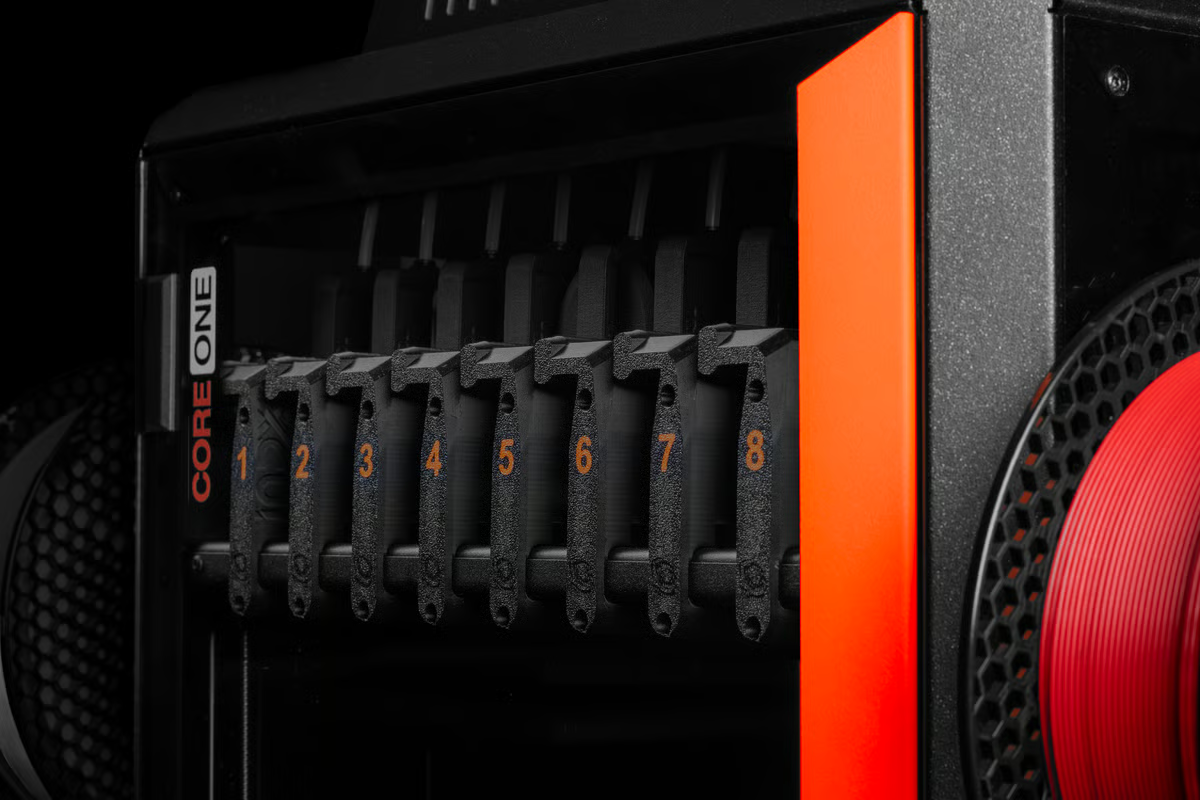
The Bondtech INDX toolchanger turns the Prusa CORE One Plus into an eight-material printer, but installation is a long, detailed process.
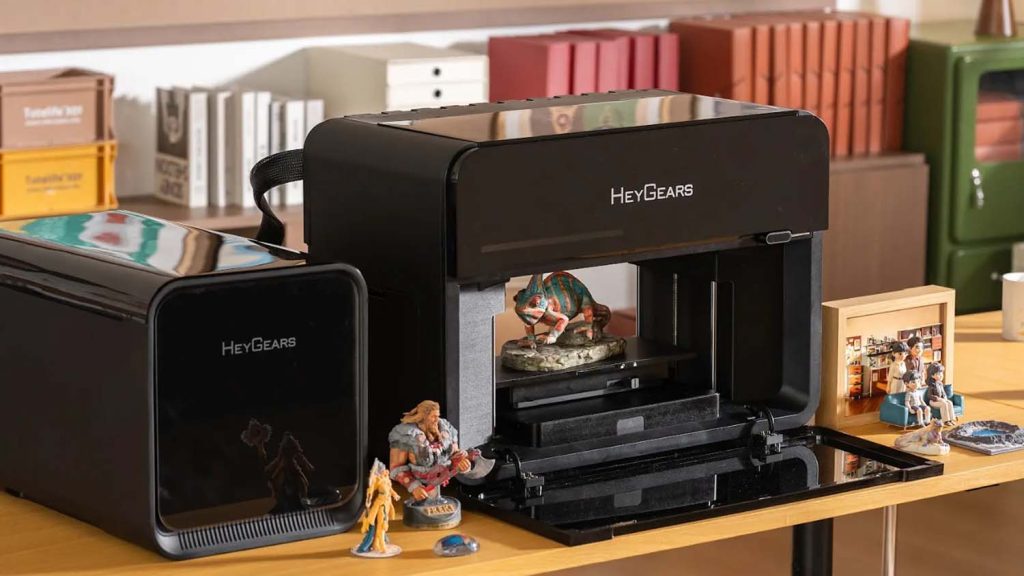
HeyGears launched the G1X, a desktop machine that combines CMYK color 3D printing, UV direct-to-object printing, and textured surface reproduction in one sub-3000-pound package.
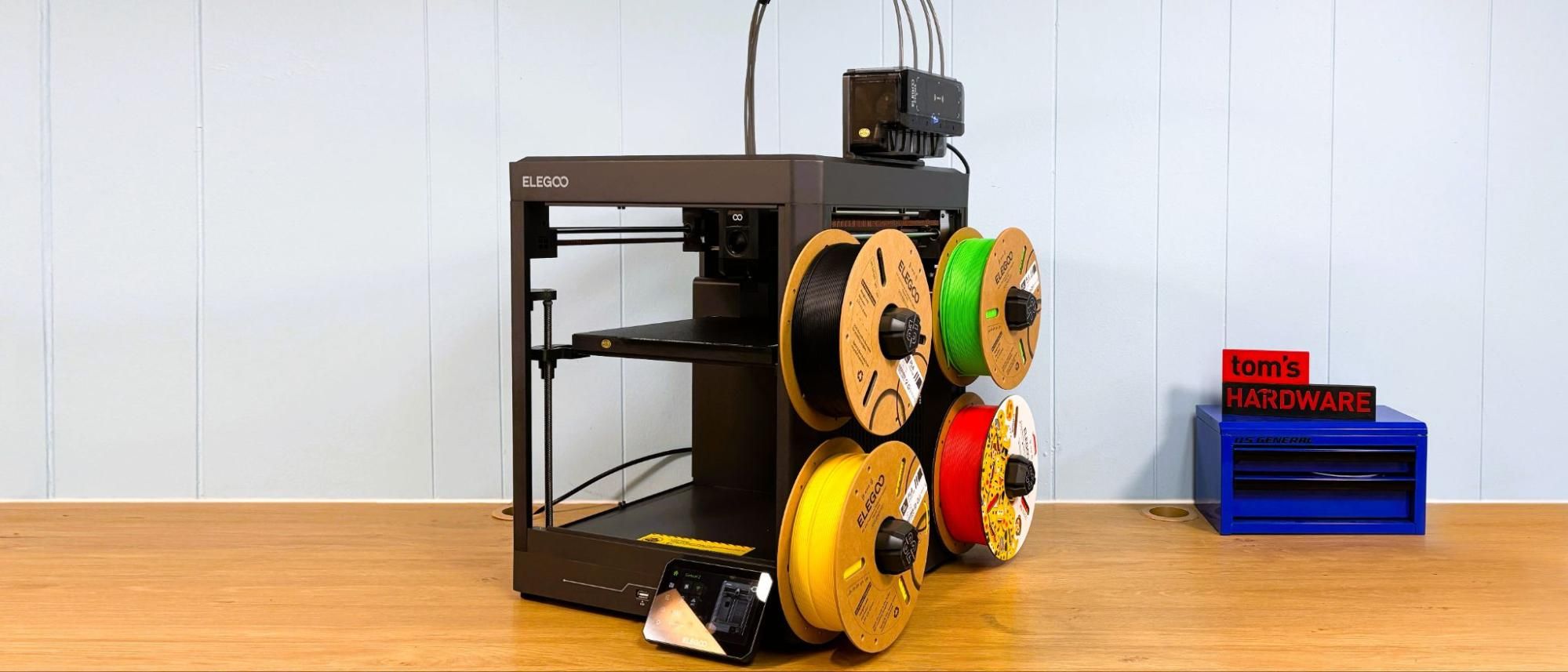
Elegoo's Centauri 2 Combo drops the enclosure and camera to land at $319. Is the savings worth the cutbacks?
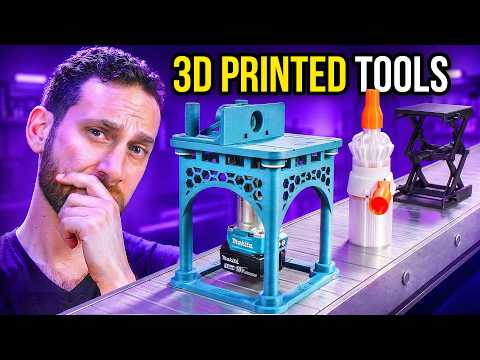
A new video from The Next Layer puts popular functional 3D prints to the test, finding that roughly half fail to live up to the hype.

Polycarbonate carbon fiber filament promises strength and heat resistance. We put eight popular spools through break tests and real prints to find the winner.
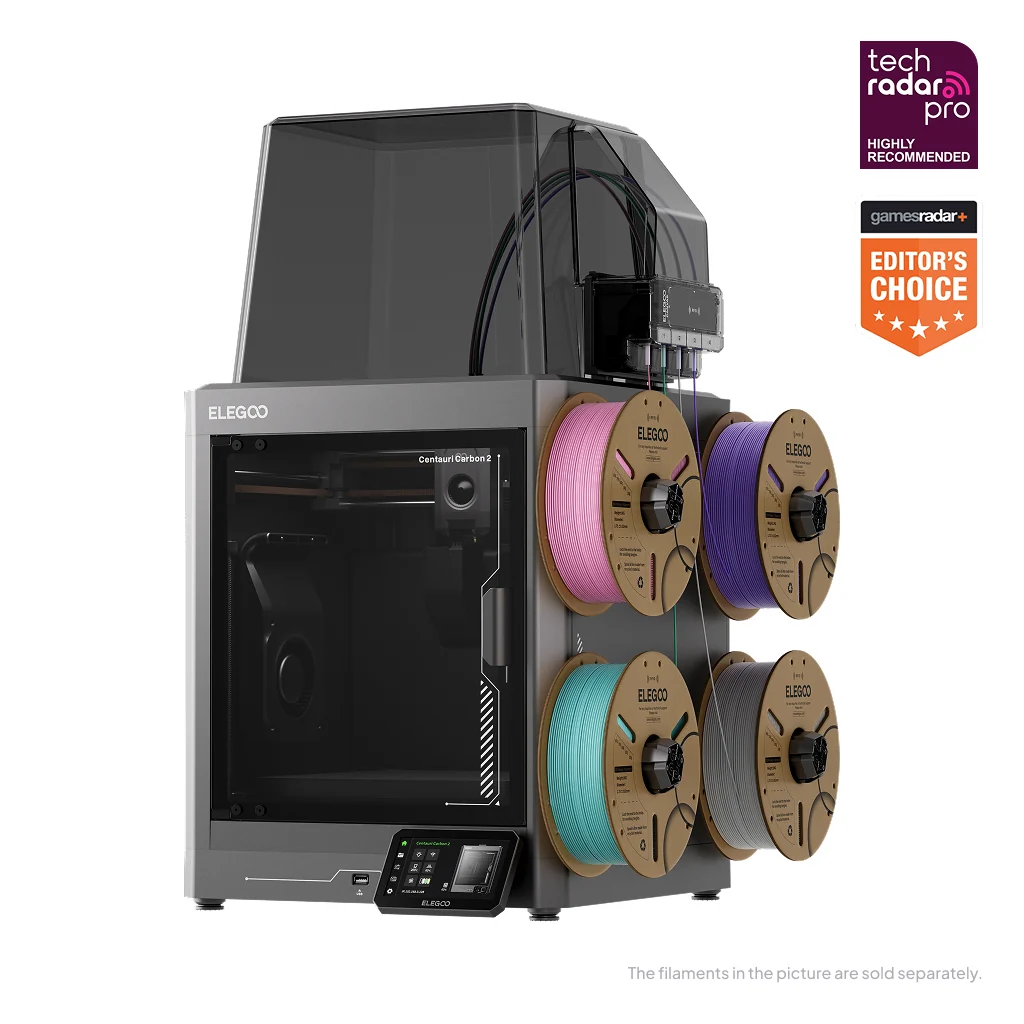
Elegoo's updated Centauri Carbon 2 adds 4-color printing with the included Canvas kit at a price that undercuts most enclosed multi-material rivals.
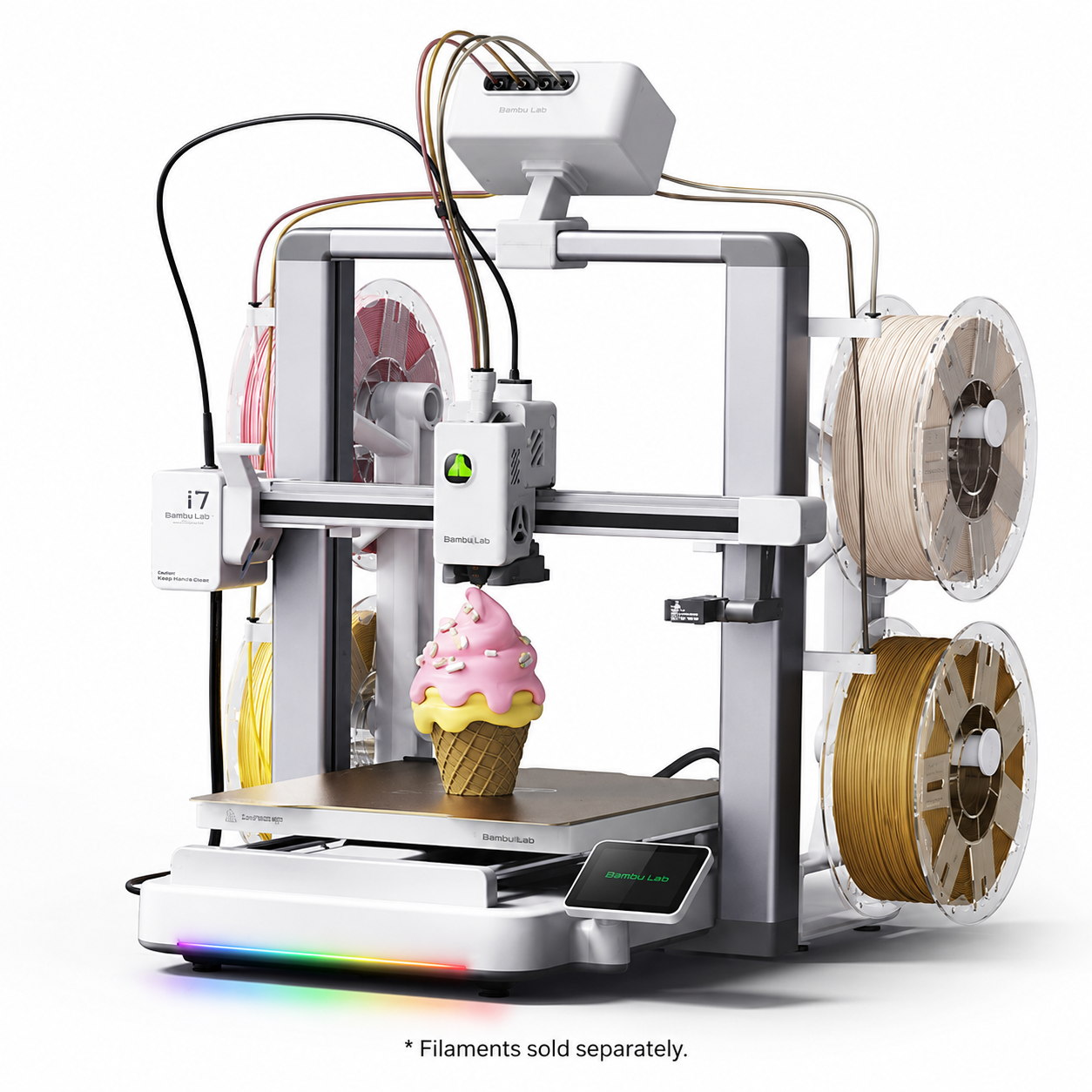
The SPARKX i7 Nano shrinks the multi-color setup by 37 percent while keeping the same 260 x 260 x 255 mm build volume and a $299 price tag.
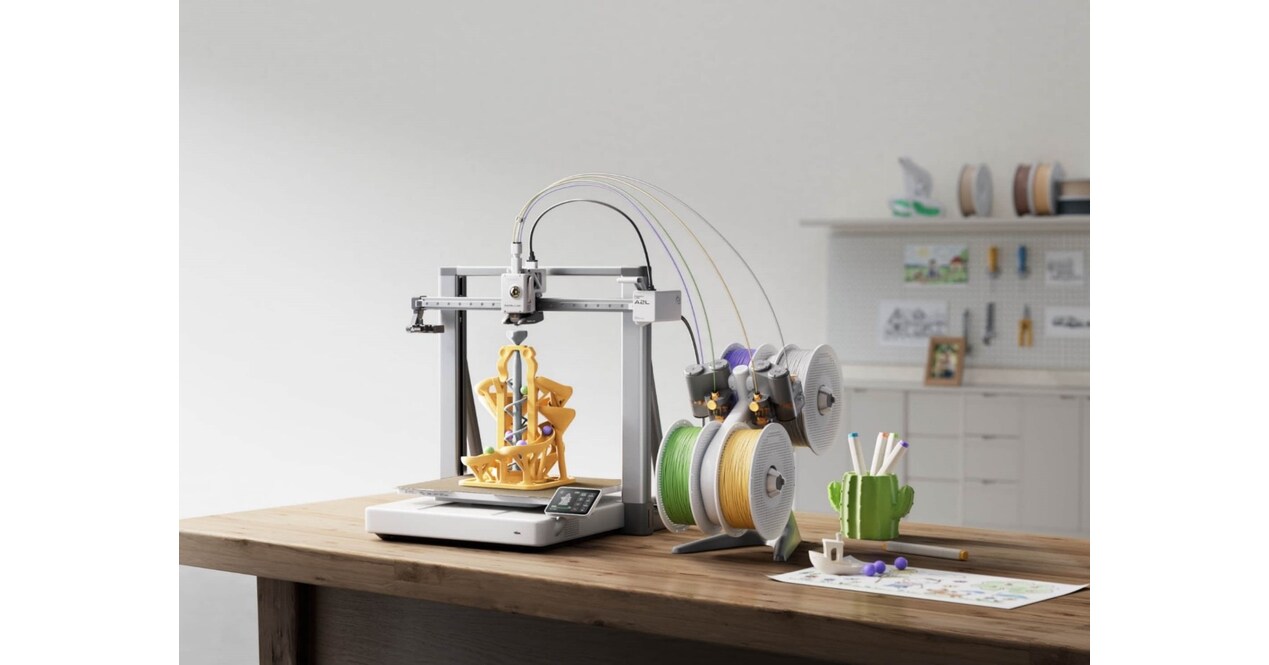
Bambu Lab's A2L delivers serious print volume for under $500, but the vibration is no joke. A long-term review of the trade-offs.
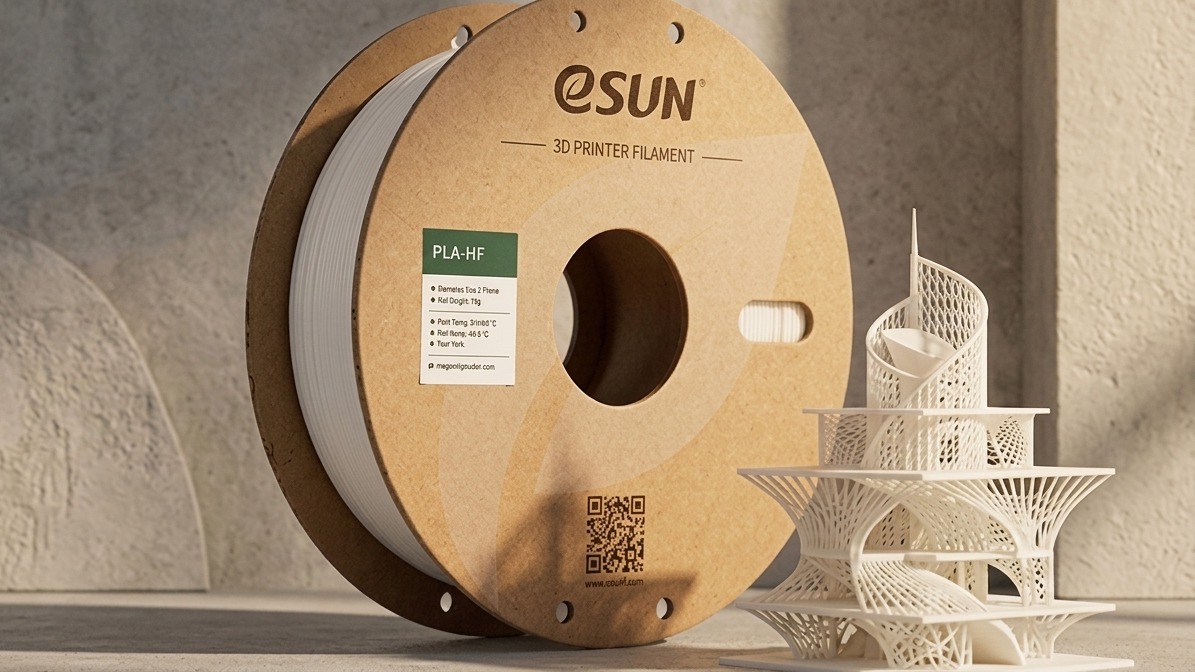
eSUN's new PLA-HF filament promises 1000mm/s print speeds without sacrificing detail or strength. Here is what that actually looks like in practice.
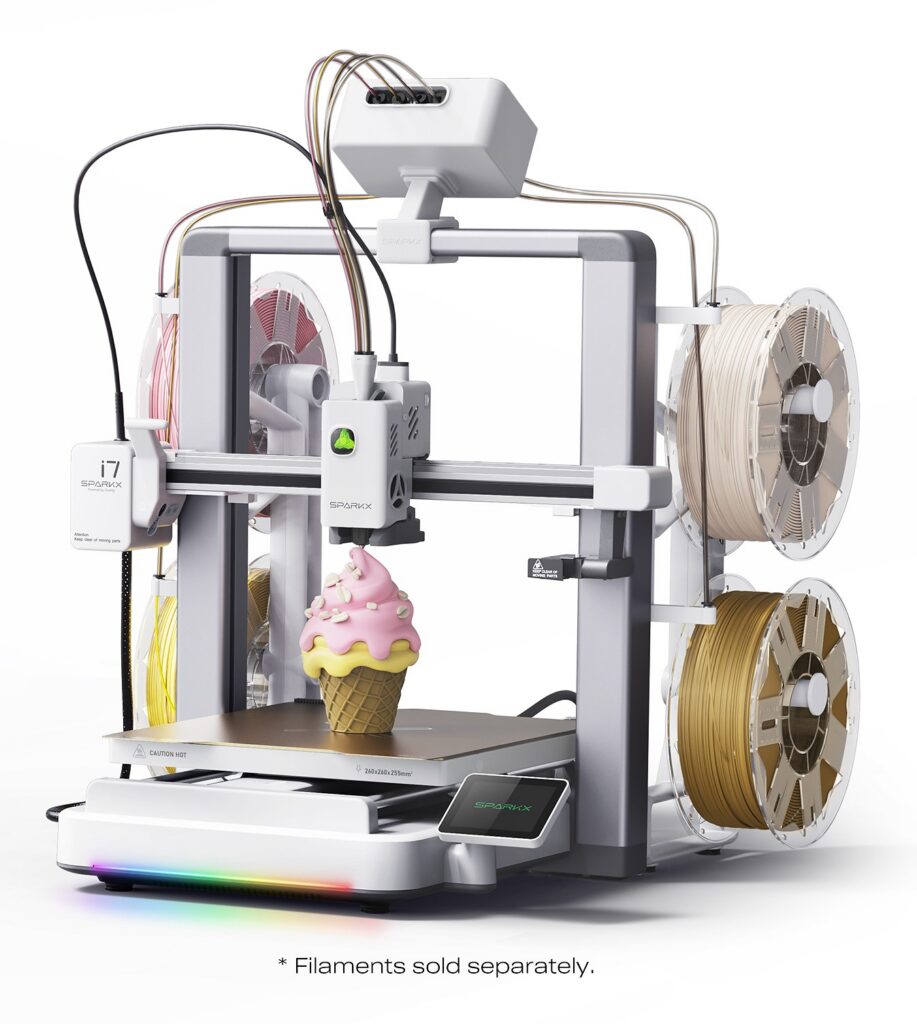
The SPARKX i7 Nano packs multi-color printing, an AI camera, and a 260 mm build volume into a footprint small enough for any desk, all for under $300.
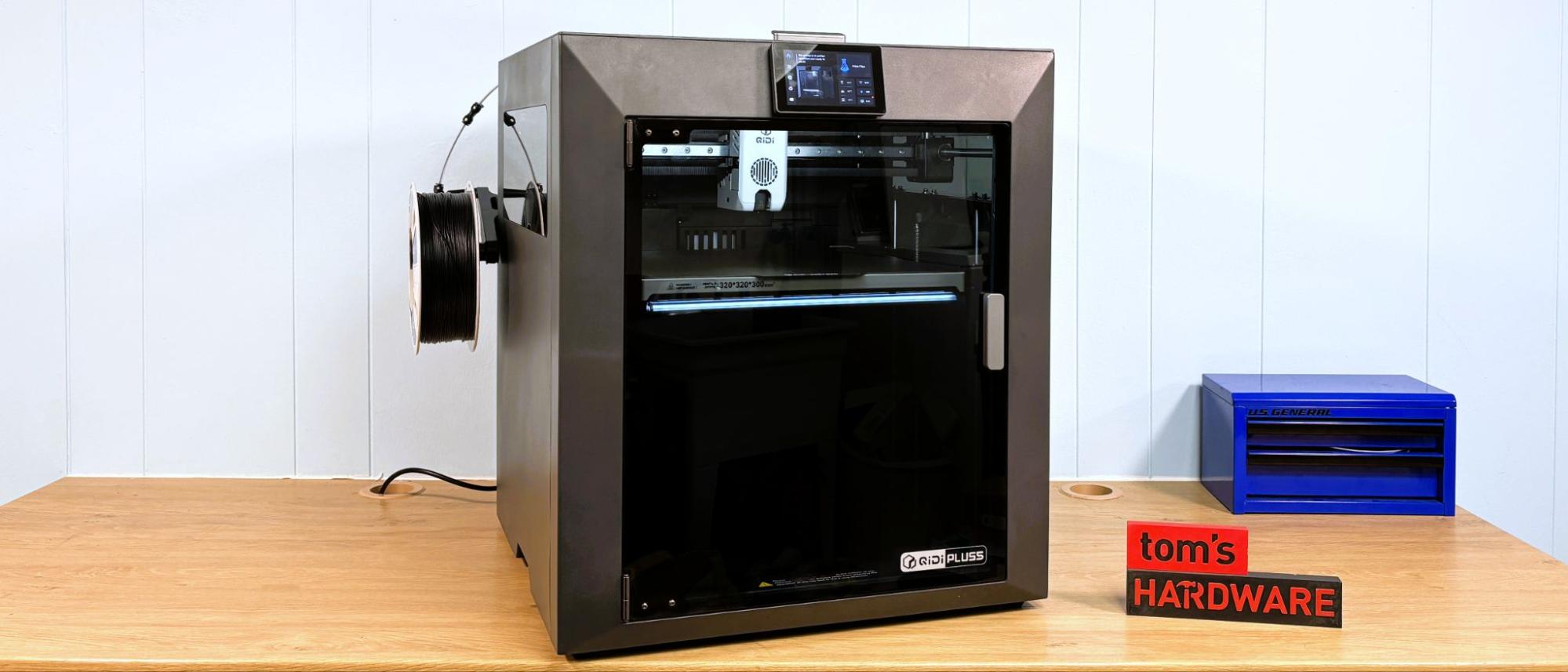
QIDI's new Plus5 packs a 320x320x300mm build volume, 370C hotend, and active chamber heating into a package that undercuts the Bambu Lab H2S by $650.
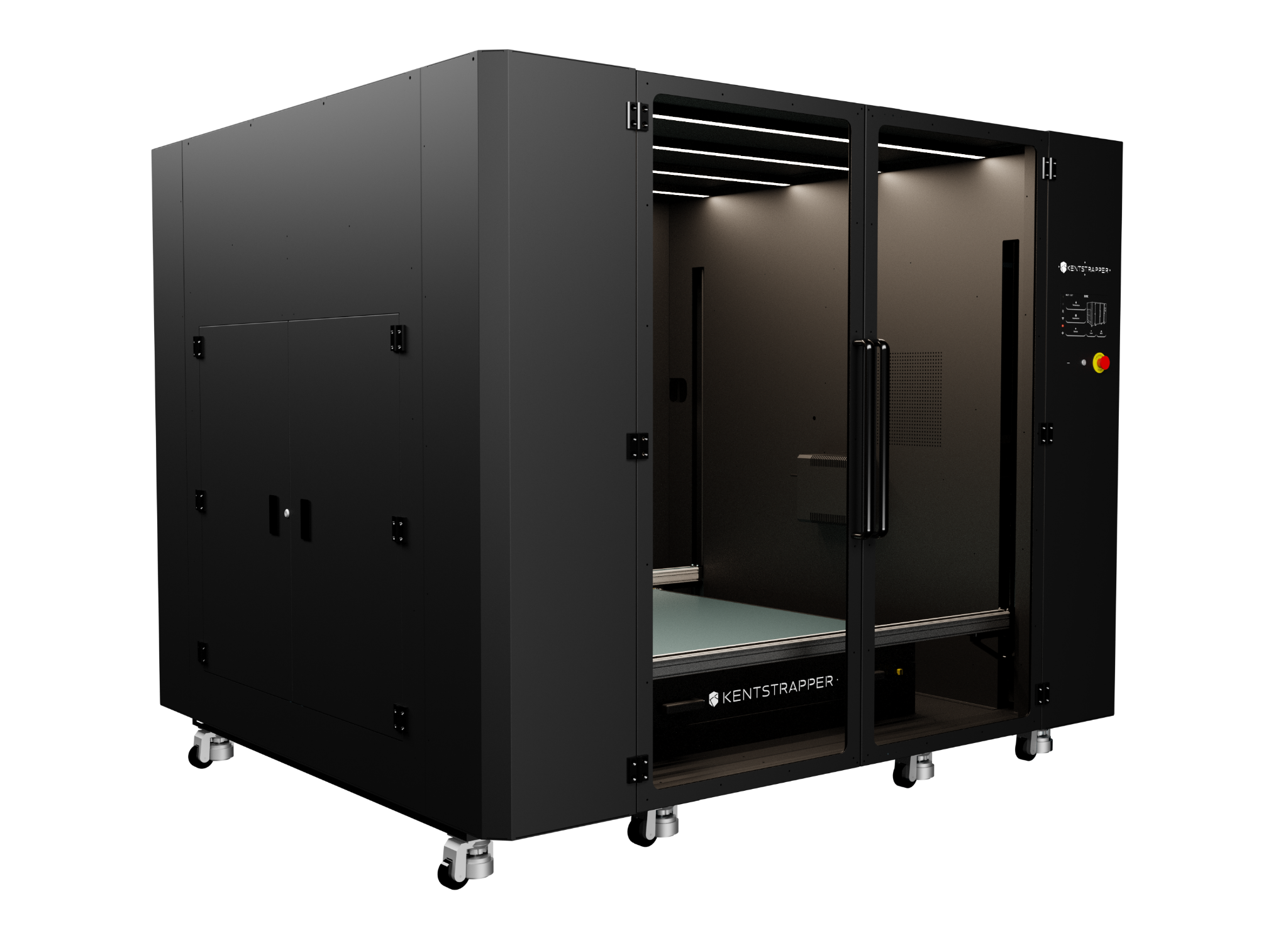
The Kentstrapper Mille packs a 1,000 mm cubed build volume, a 60C heated chamber, and a dual-extruder setup into a made-in-Italy industrial FDM system starting around $46,000.
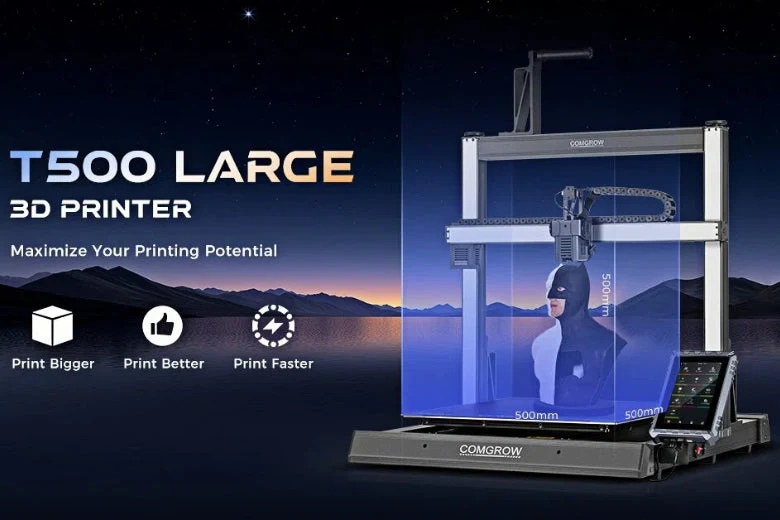
A 500mm cubed build volume turns the Comgrow T500 into a small-batch factory, though buyers should plan for a heavy footprint and open-frame material limits.
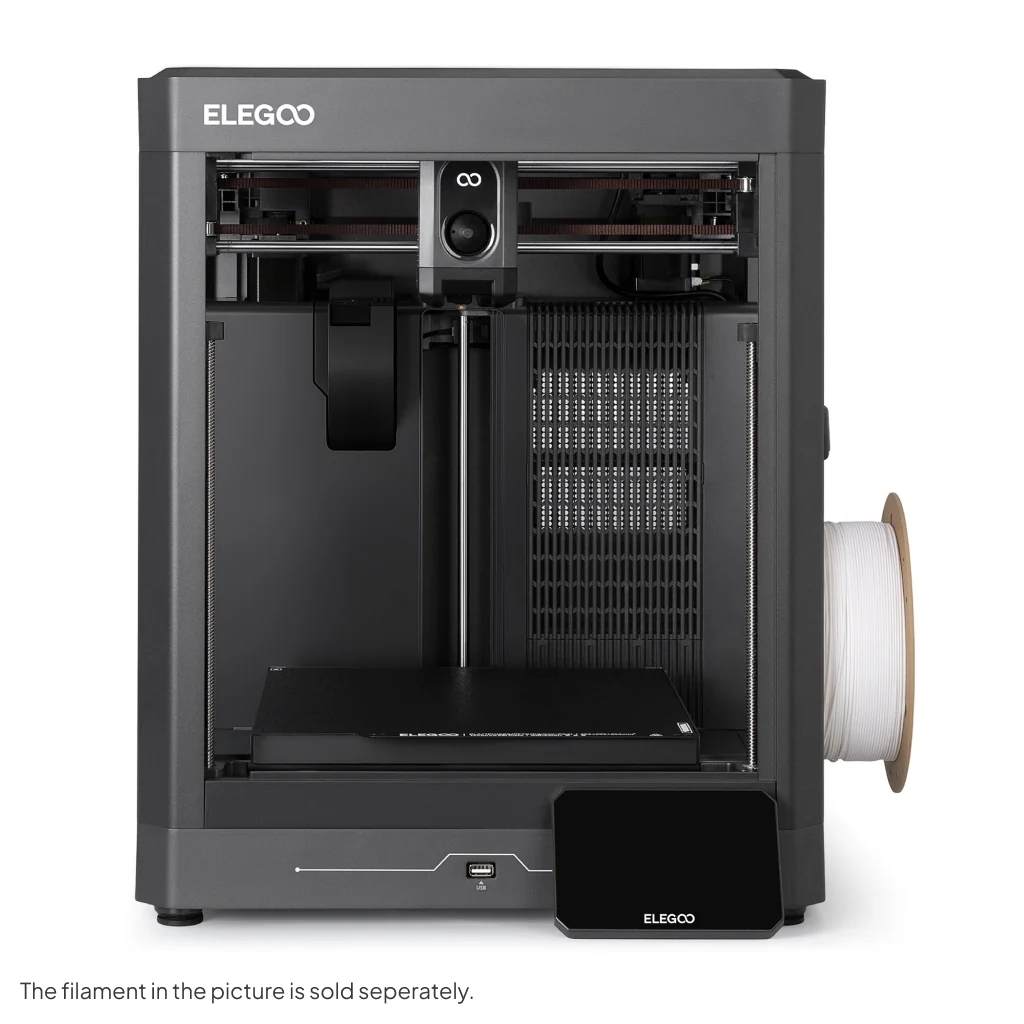
The Centauri 2 proves you don't need to spend a fortune on a CoreXY printer, though it does make a few compromises to hit that price.
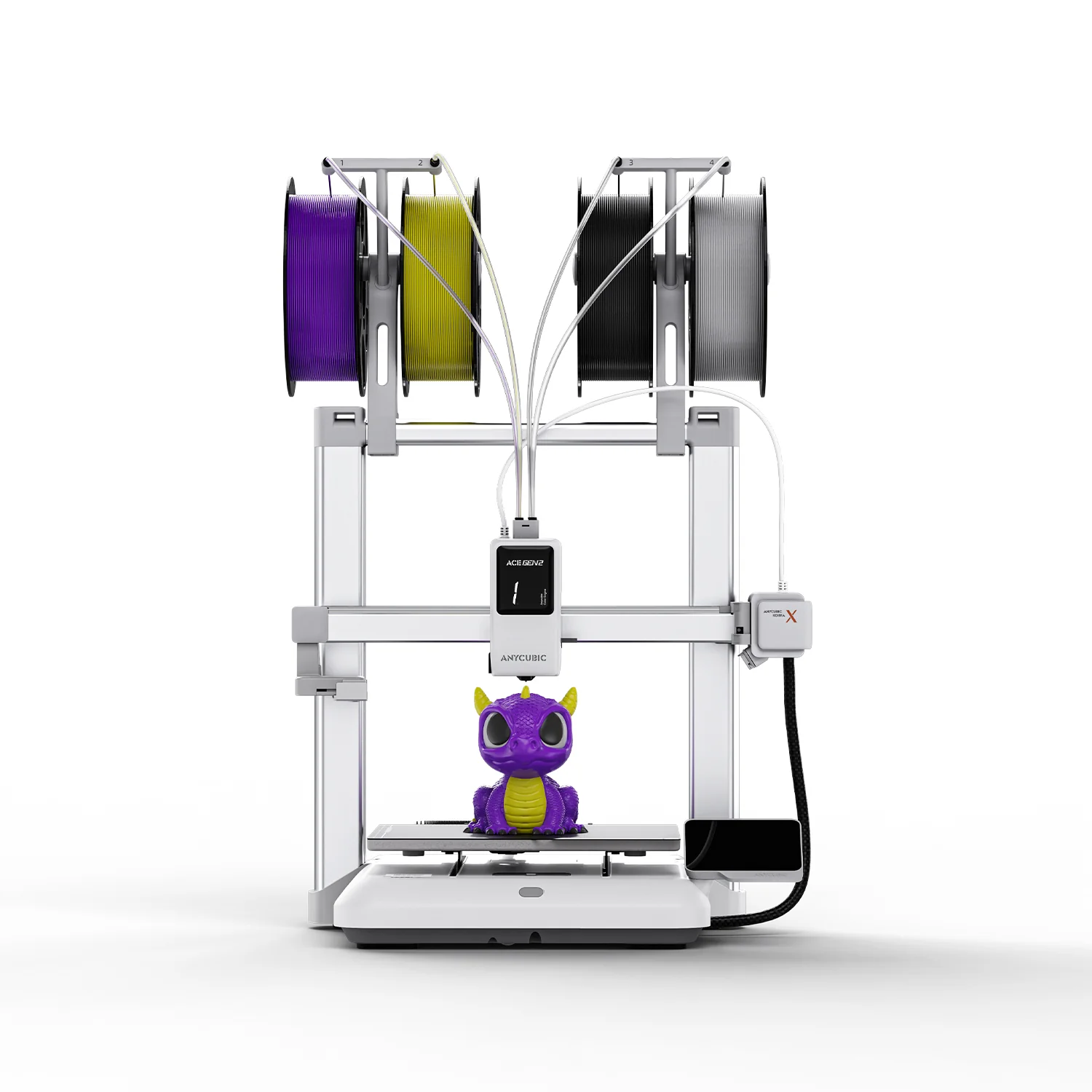
The Kobra X brings native four-color printing to the budget crowd, but the savings come with trade-offs you should know about.
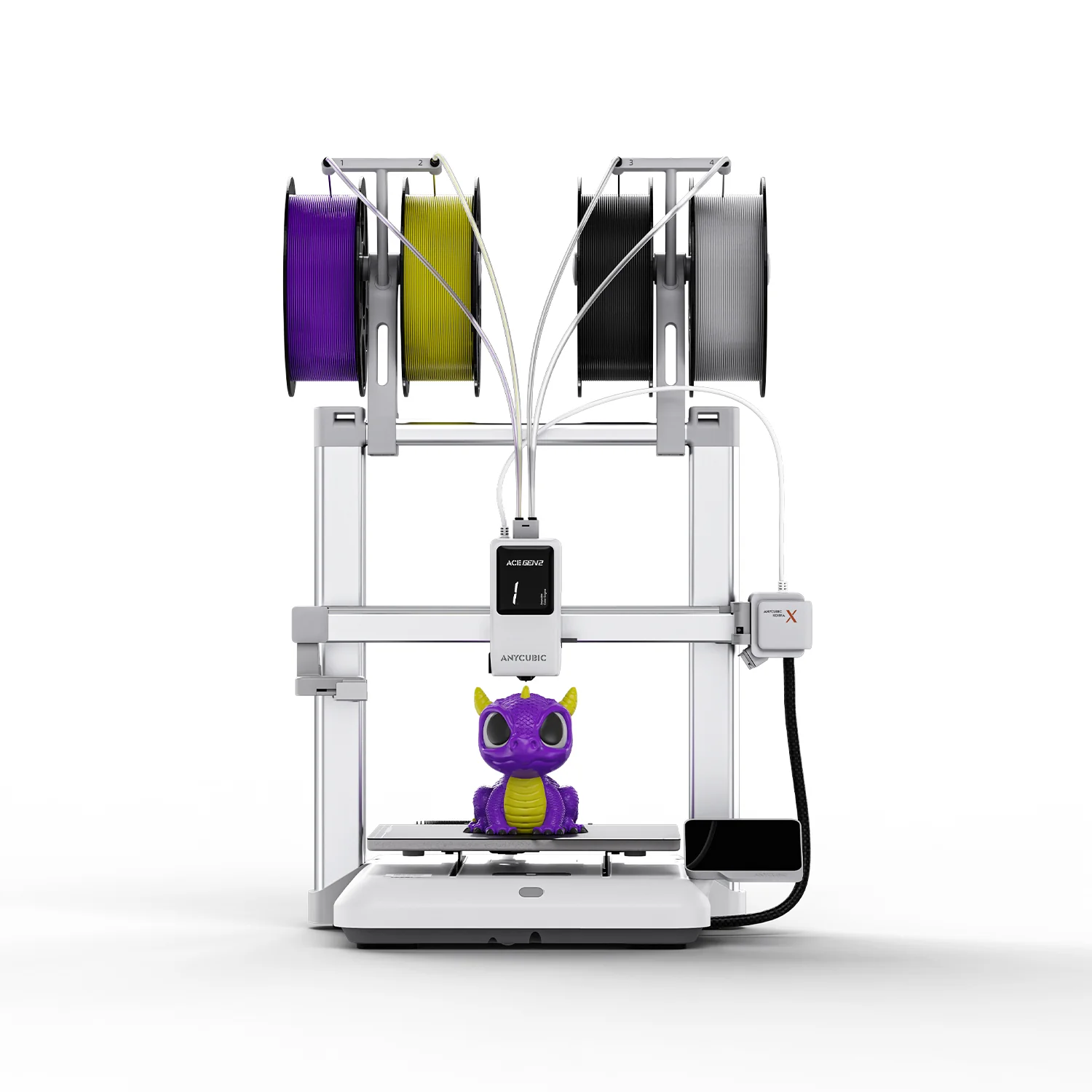
The Kobra X brings native four-color printing to the budget crowd, but the savings come with trade-offs you should know about.
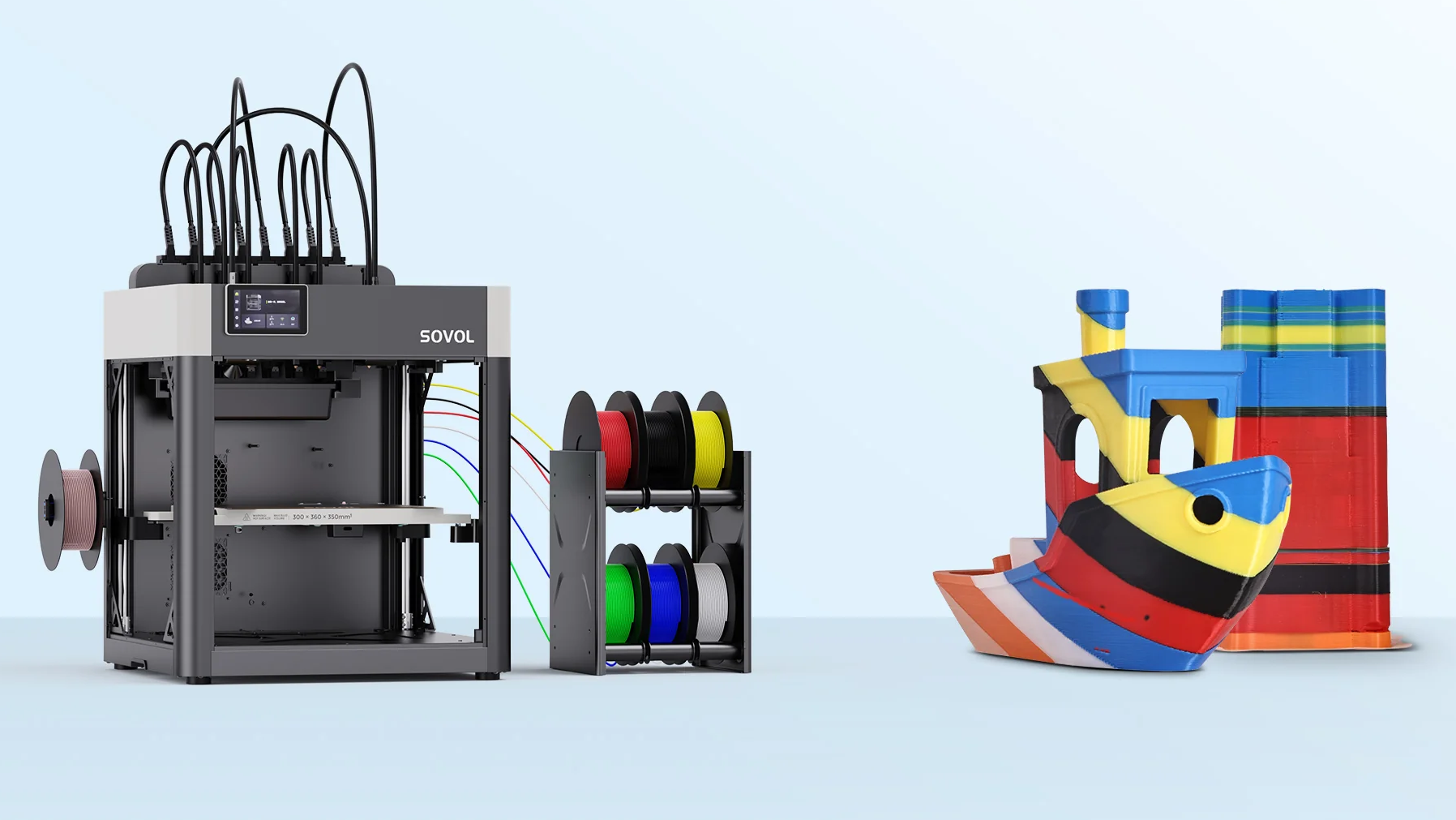
The Sovol M1D combines seven toolheads, five-second swaps, and near-zero purge waste in an open-source IDEX design.
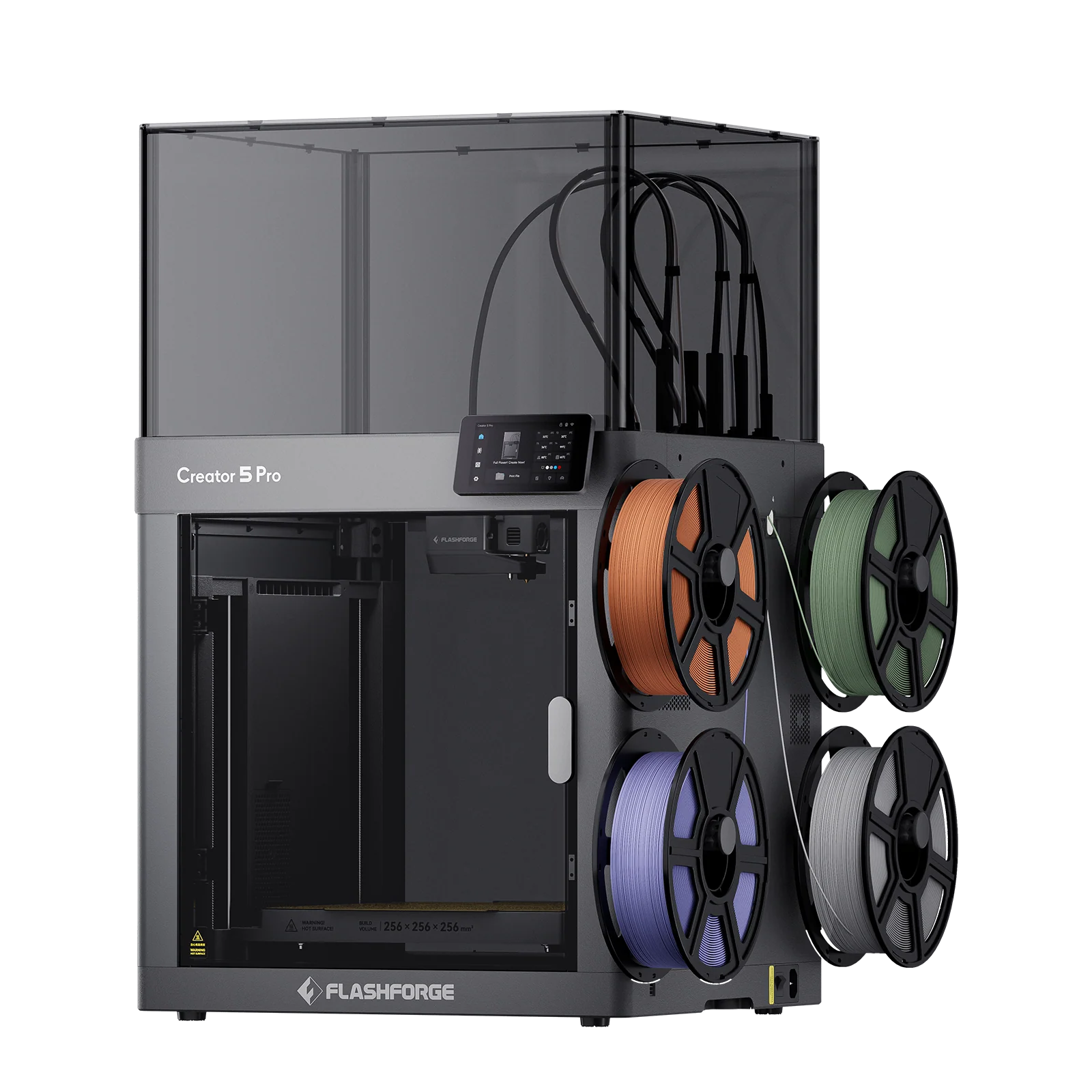
The Flashforge Creator 5 Pro packs four independent toolheads into an enclosed chamber for strong multi-material prints with less waste. But it is not without compromises.
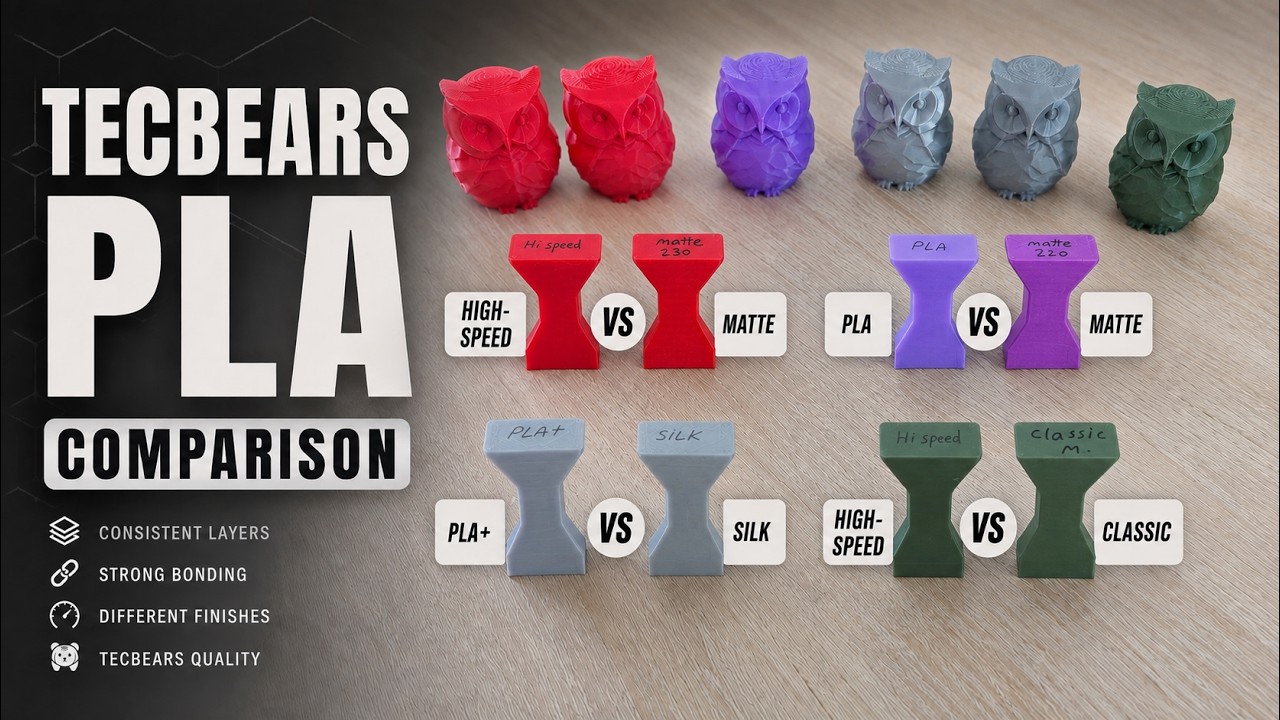
A side-by-side look at Tecbears' four PLA variants to see whether the budget-friendly brand holds up across print quality, speed, and material behavior.
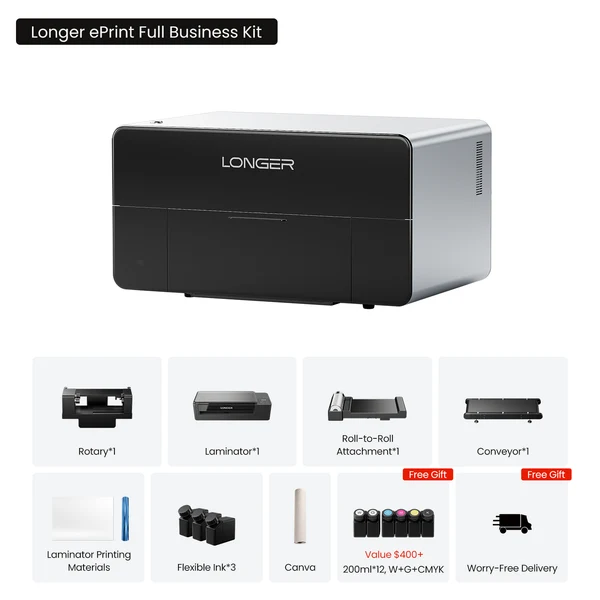
LONGER's new ePrint combines UV direct-to-object printing with DTF transfer capability in one $2,499 machine aimed at small custom-product businesses.

The EIBOS Series X Tetras adds four independently controlled drying chambers to a Bambu Lab AMS, letting users print and dry filament simultaneously.
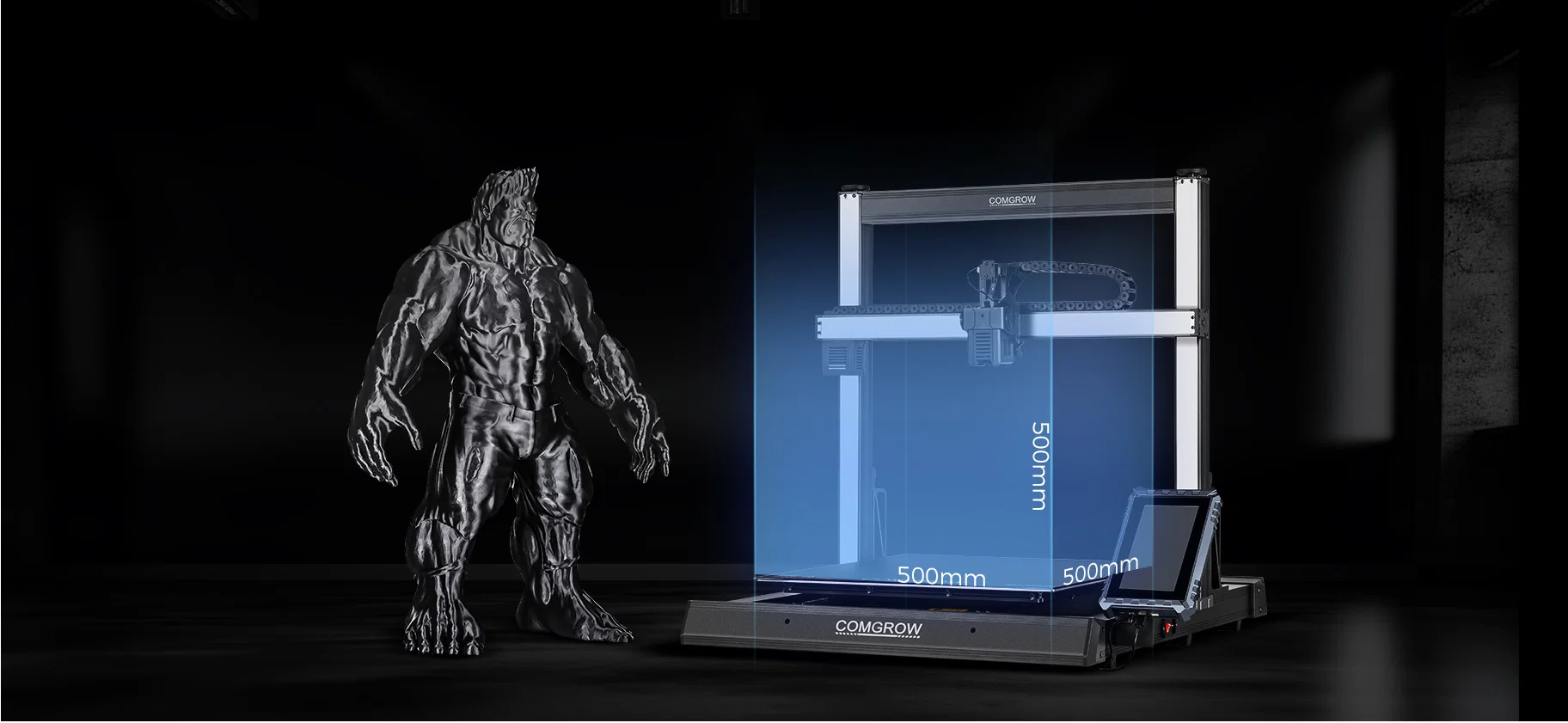
The Comgrow T500 offers an 8x larger build volume than standard desktop printers at a competitive price, but it demands experience and space to deliver.
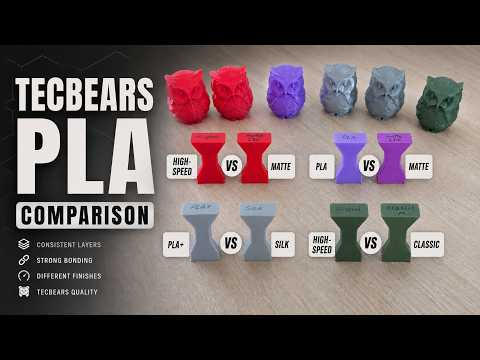
We pit Tecbears Classic, Matte, PLA+, and High-Speed PLA against each other to find the best all-rounder for your machine.

Maker's Muse burn test reveals foamed TPU is the most flammable common filament, while PETG and standard TPU offer the best fire resistance for home workshops.
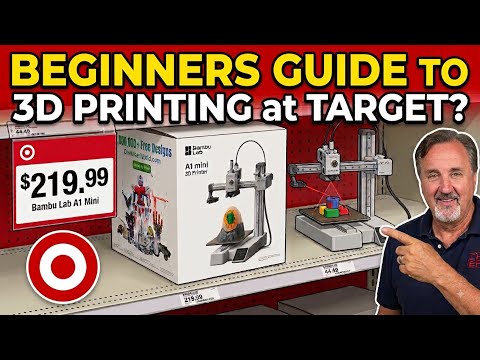
Bambu Lab's A1 Mini is now on Target shelves and online at $219.99, making the popular entry-level printer accessible to a much broader US audience.
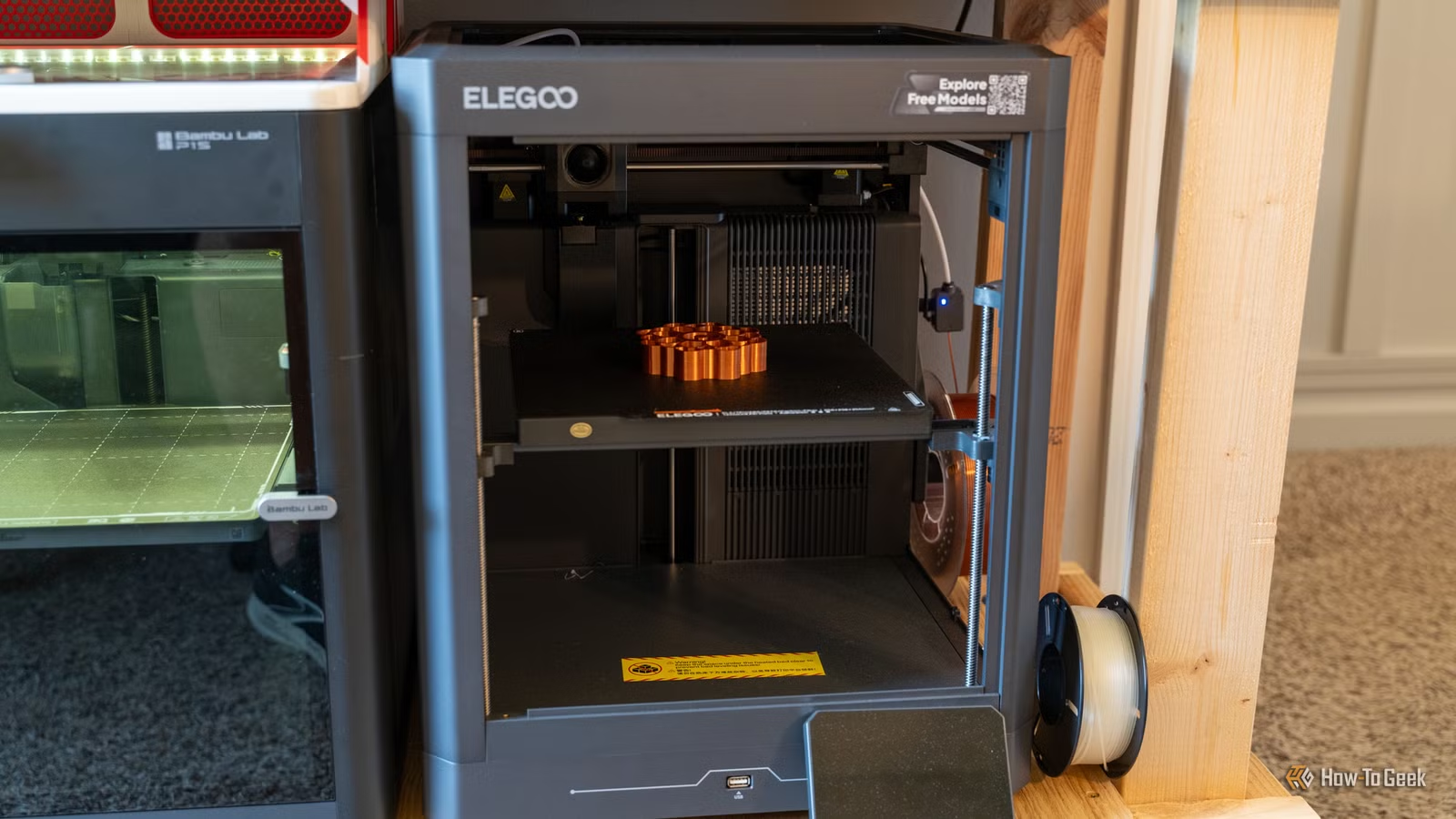
The Elegoo Centauri 2 proves that sub-$300 CoreXY printers can produce excellent results without requiring an engineering degree to operate.
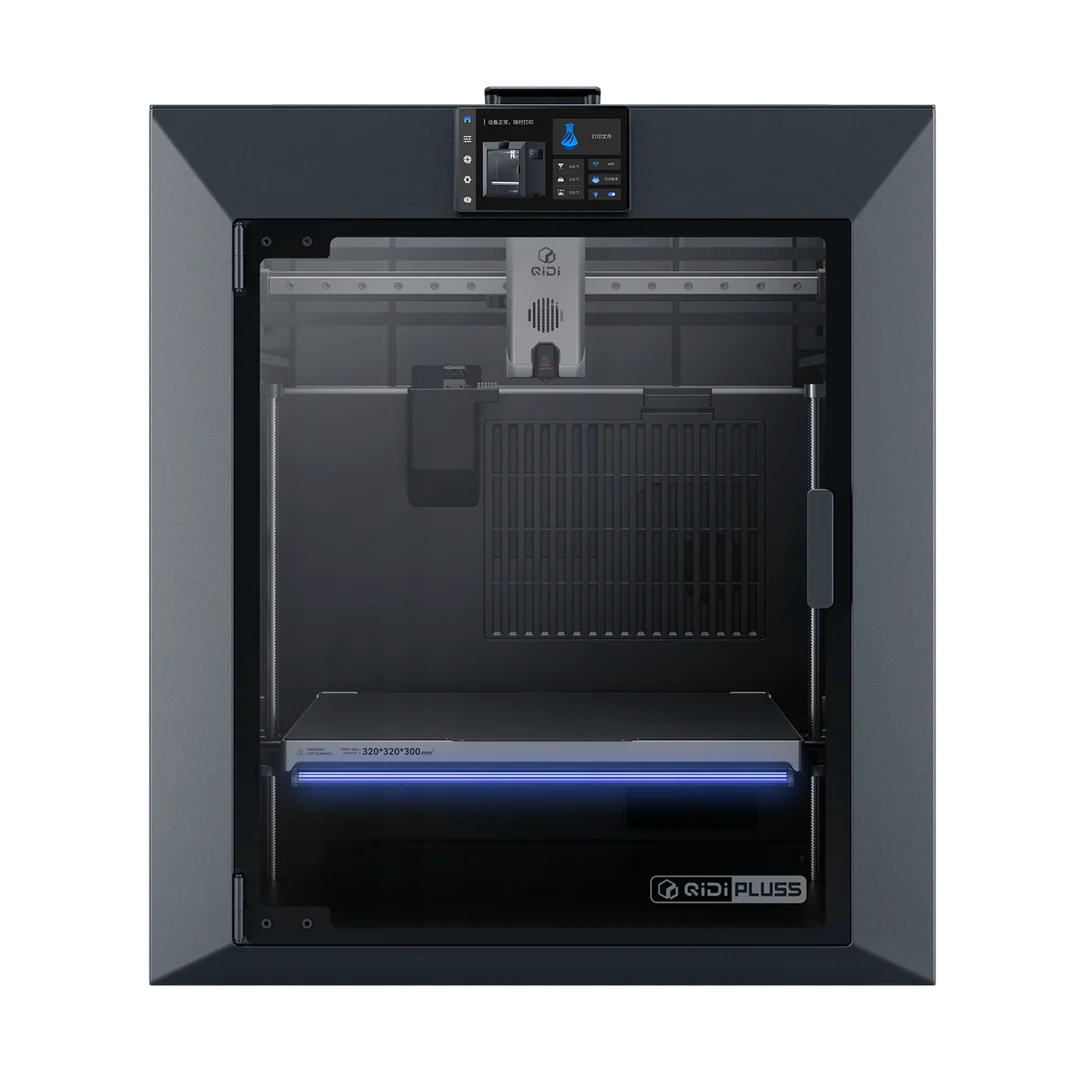
QIDI's new Plus5 adds 18% more build volume, a 370C hotend, and active toolhead cooling while keeping the price under $750.

The X2D delivers reliable dual-extrusion at a price that undercuts Bambu's own H2D by more than half. The tradeoff is build volume, not print quality.
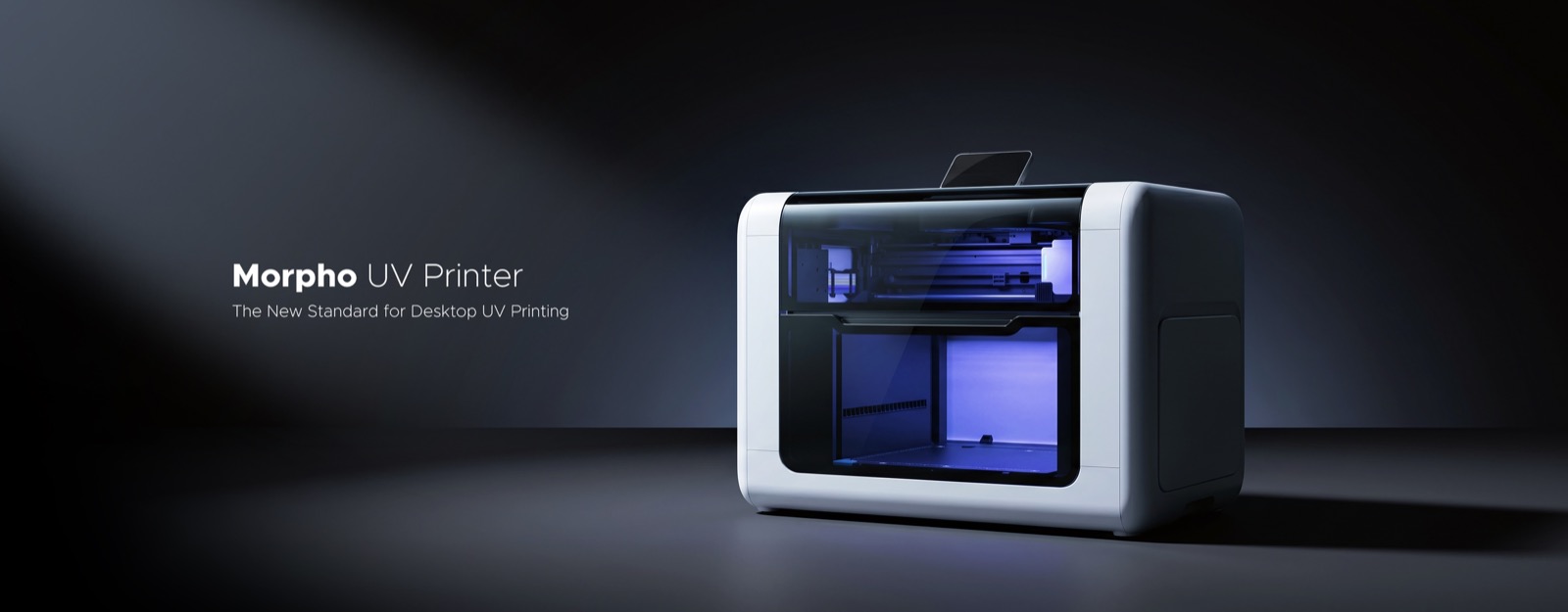
Uncle Jessy spent weeks with the Morpho UV printer and came away impressed by its speed, enclosed gantry, and 60 mm texture stack. The catch: it does not ship until Q4.
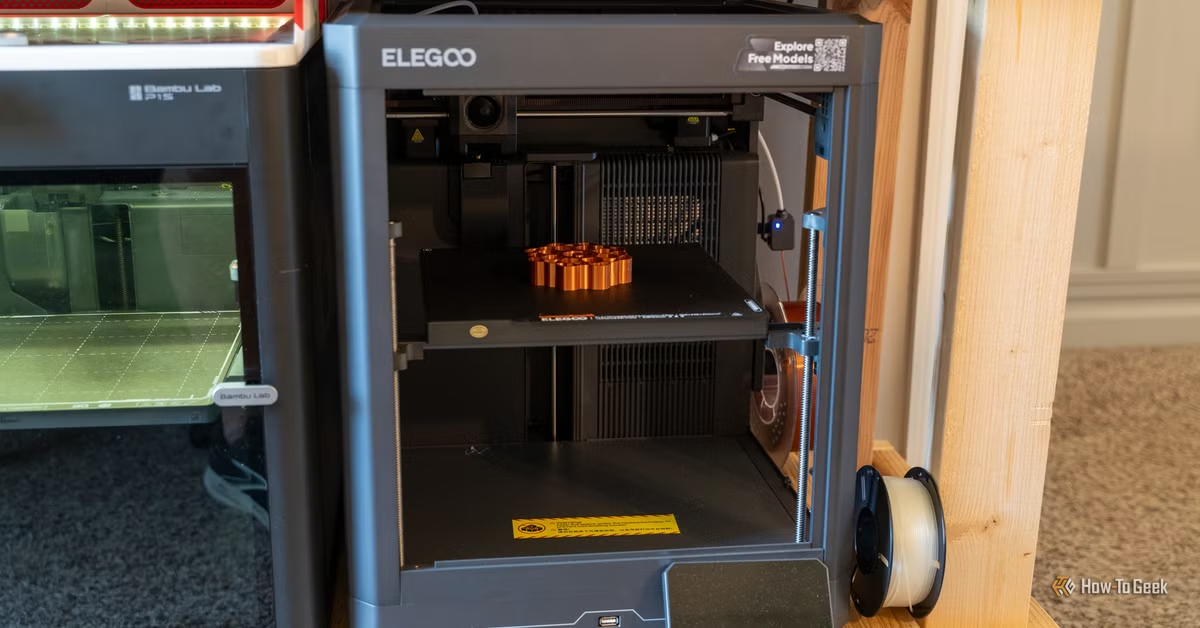
Elegoo's $299 Centauri 2 delivers CoreXY performance, a dual-sided bed, and solid print quality out of the box. Here's why it's the best budget printer right now.
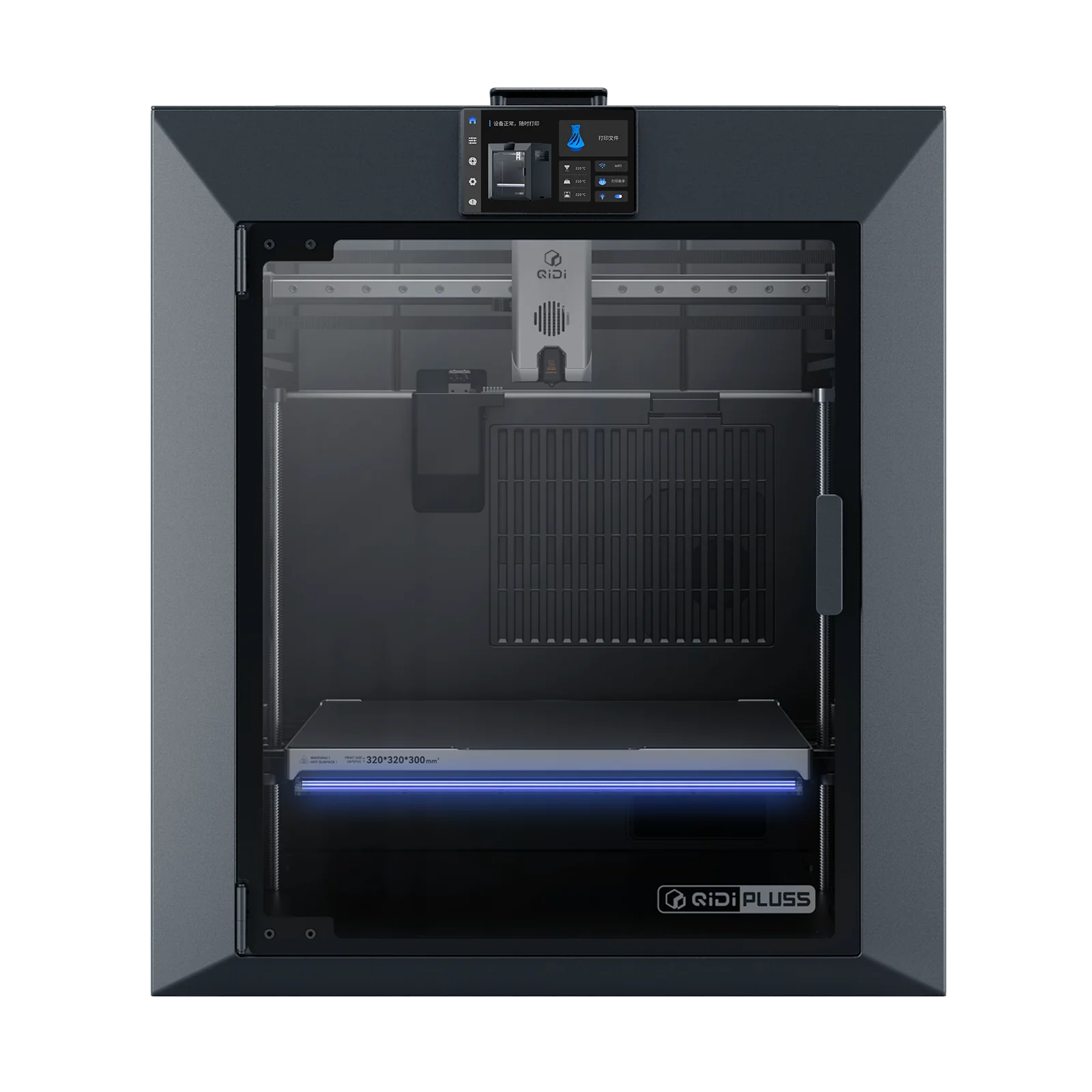
The QIDI Plus5 offers a 320x320x300mm build volume, 370C nozzle, and heated chamber for $749, making it the best value in large-format FDM printing right now.
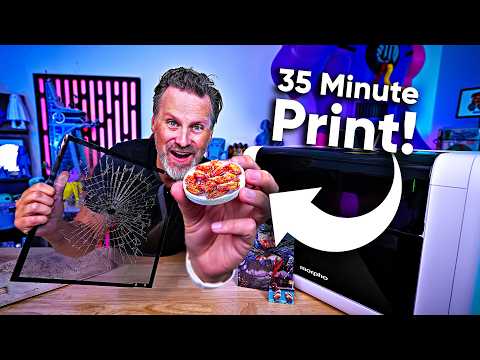
The Morpho UV Printer promises industrial-grade flatbed printing in a box small enough for a studio, with open ink and a refundable Kickstarter deposit locking the price. The question is whether the reality matches the pitch.
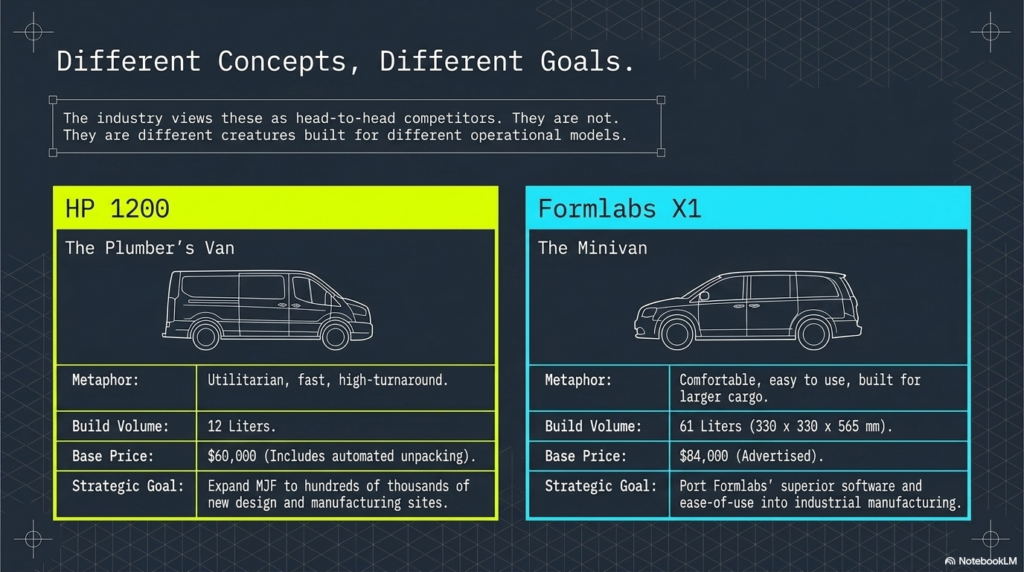
The Formlabs X1 and HP 1200 look like competitors, but they are built for completely different types of users and workflows.
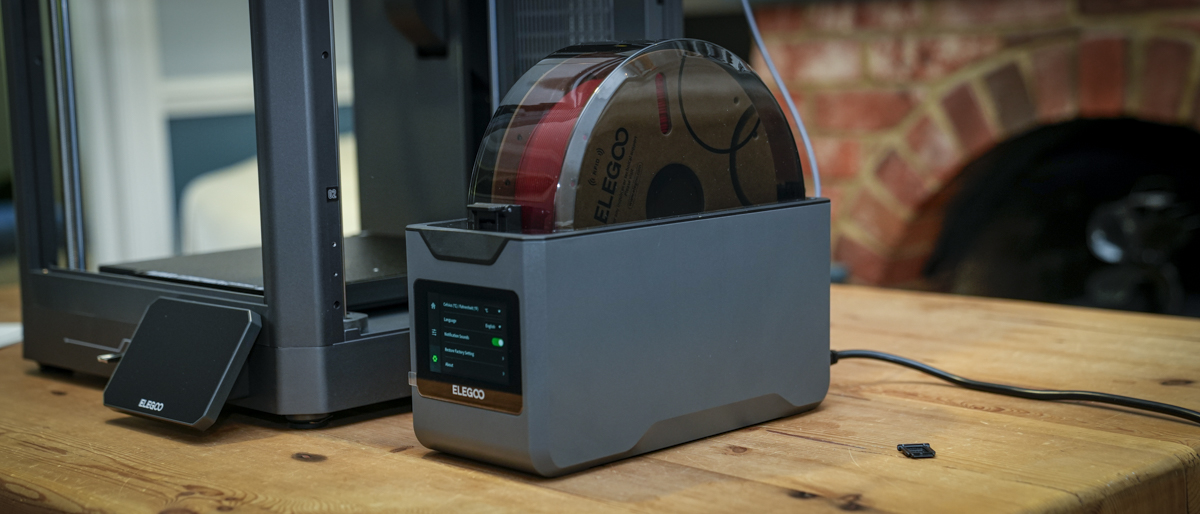
Elegoo's first filament dryer heats to 85C and handles engineering materials, but the single-spool design limits its appeal.
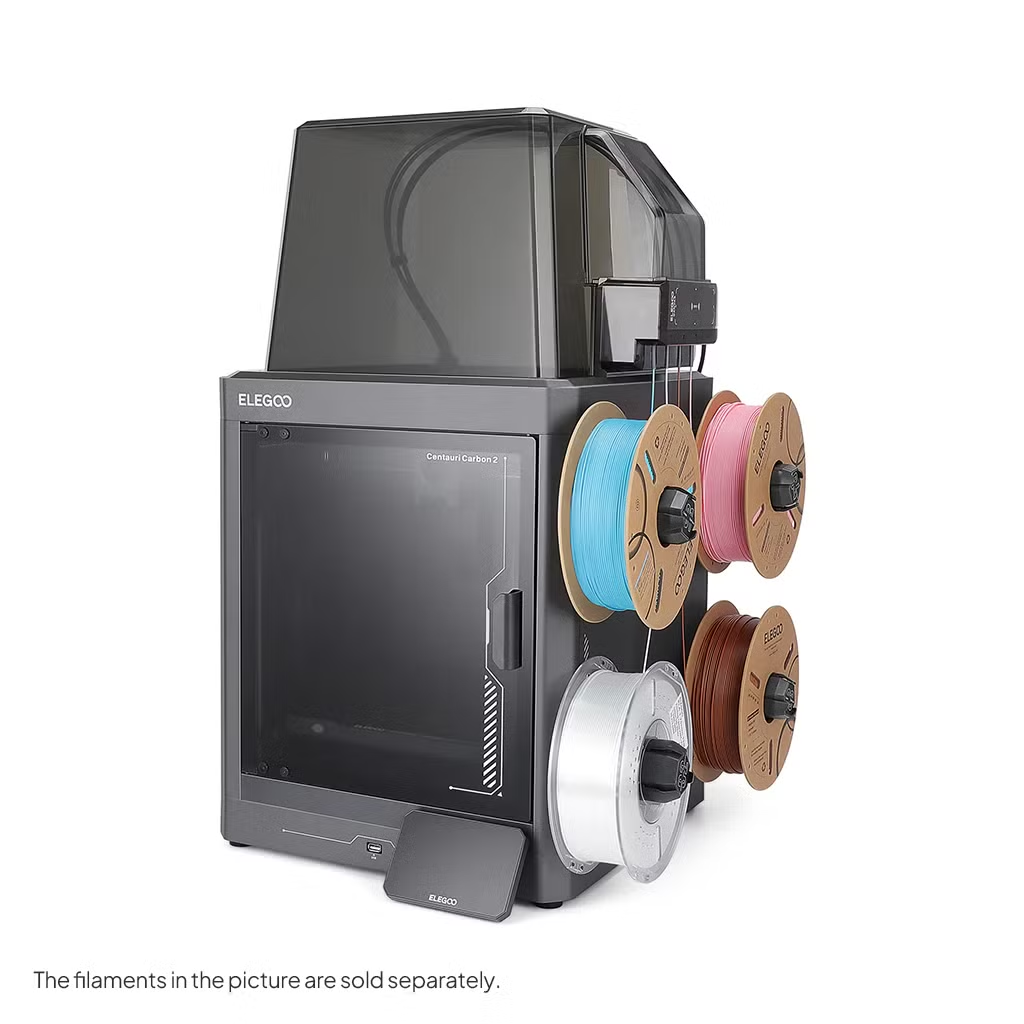
The Centauri Carbon 2 Combo finally makes affordable four-color FDM printing real, even if the Canvas system still feels slightly rough around the edges.
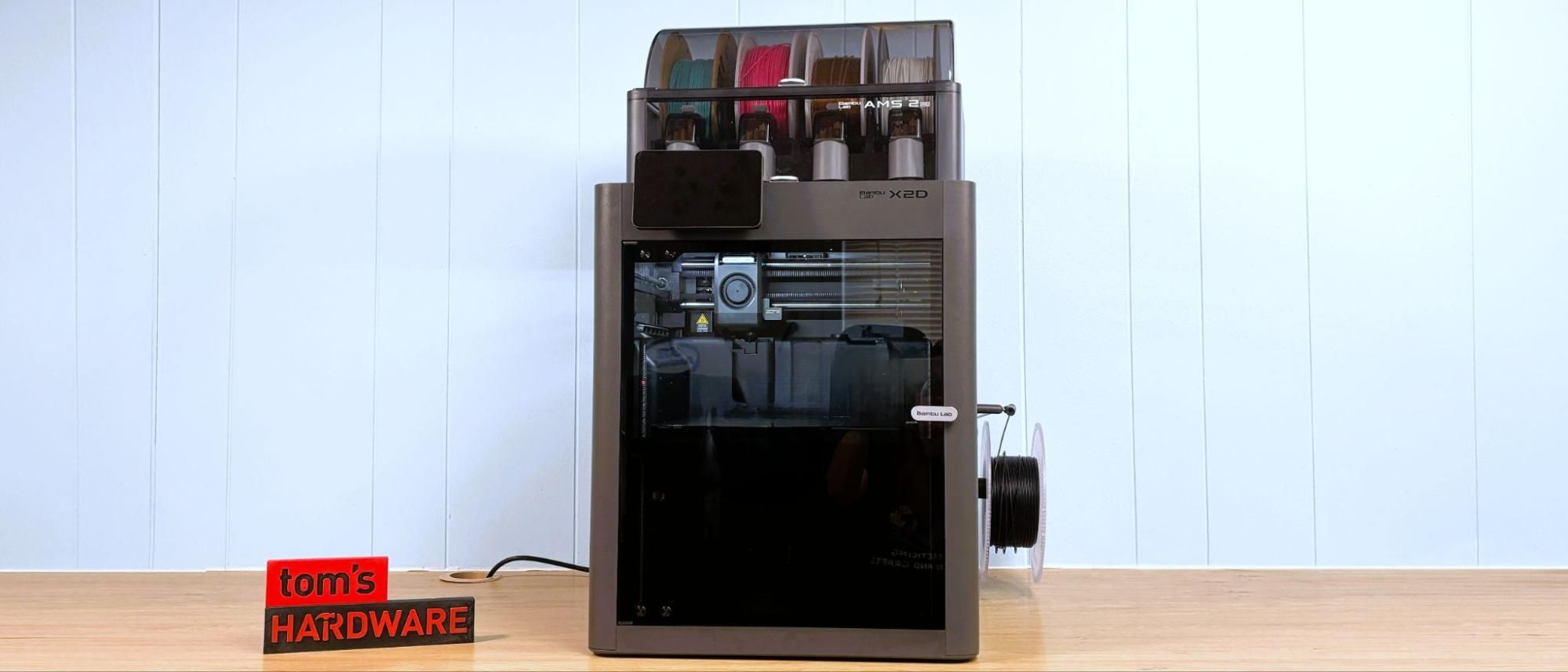
Bambu Lab's new mid-range dual-nozzle printer refines the X1 Carbon formula with active heating, smarter filtration, and a $899 price tag.
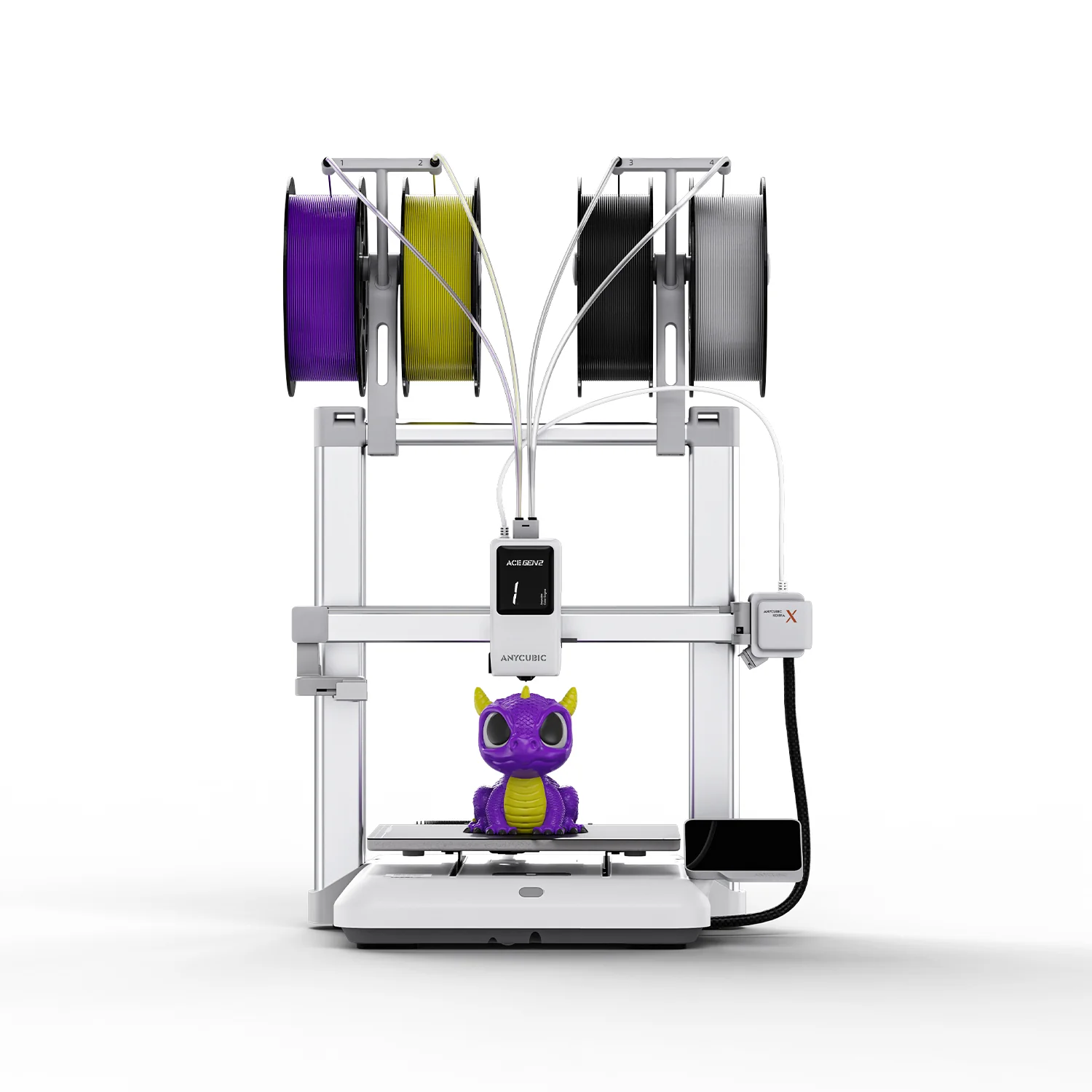
The Kobra X bundles native four-color printing into a $299 frame. Here is why it undercuts the Bambu Lab A1 Combo by $120 without cutting corners on hardware.
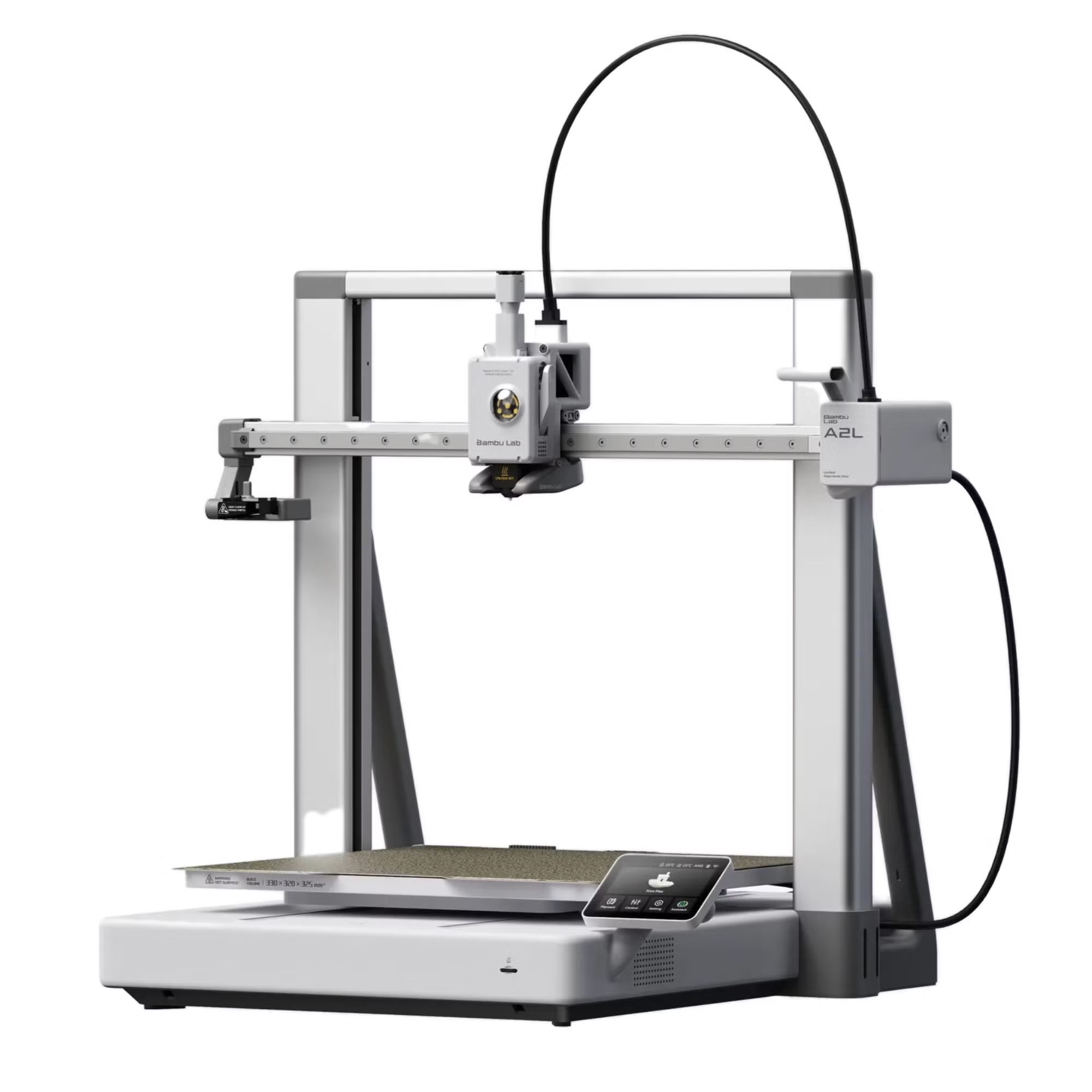
The Bambu Lab A2L doubles the A1's build volume, adds a closed-loop extruder, and throws in pen plotting and blade cutting. It is the best budget large-format printer right now.
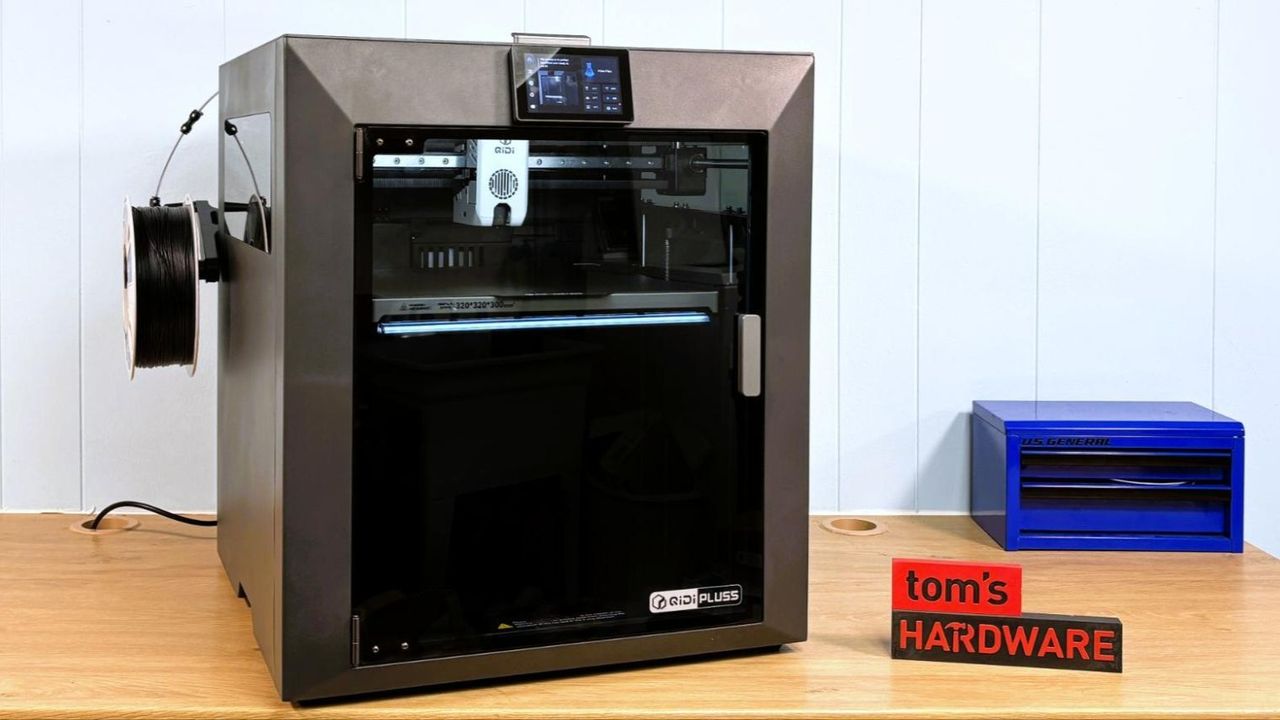
After 100 hours of testing, the QIDI Plus5 earns the crown. Bigger bed, 370C hotend, Polar Cooler, and the same $749 launch price as its predecessor.
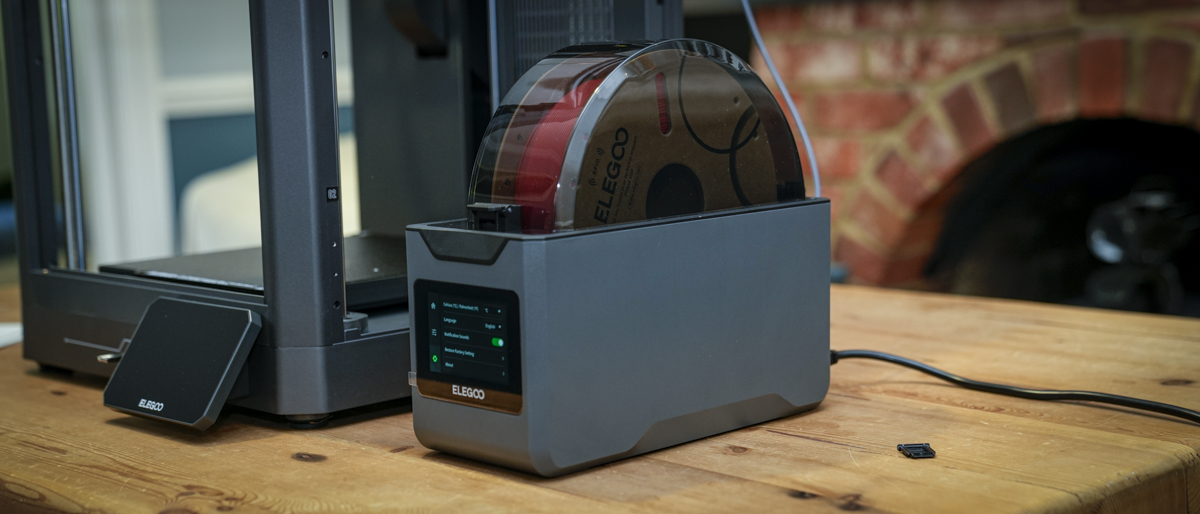
Elegoo's first filament dryer tops out at 85°C, rotates the spool automatically, and works with virtually any FDM printer. At $70, it sets a new baseline for budget dryers.

Revopoint's STEM promotion runs through August 31 with discounts on six scanners, including 20% off the metrology-grade MetroY Ultra.
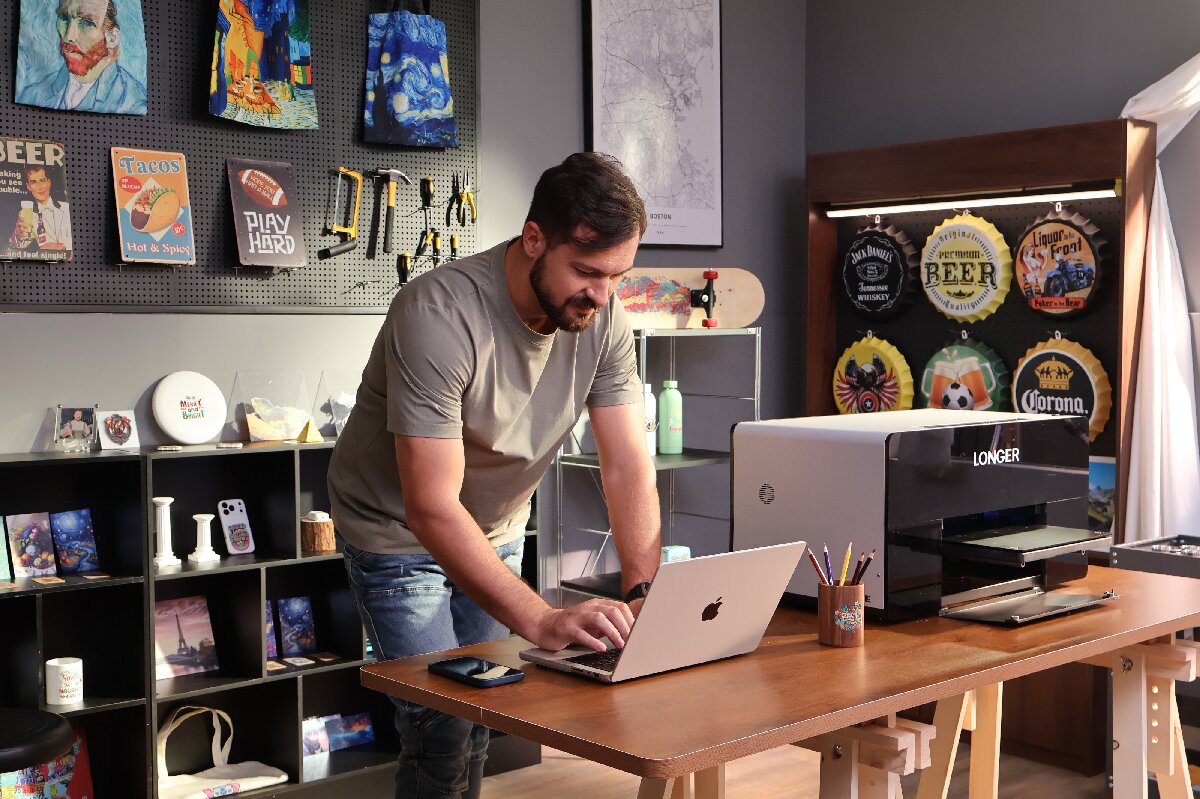
LONGER's ePrint packs UV, DTF, DTG, and 3D textured printing into one $1,699 desktop machine. Here is what it actually means for small shops and makers.
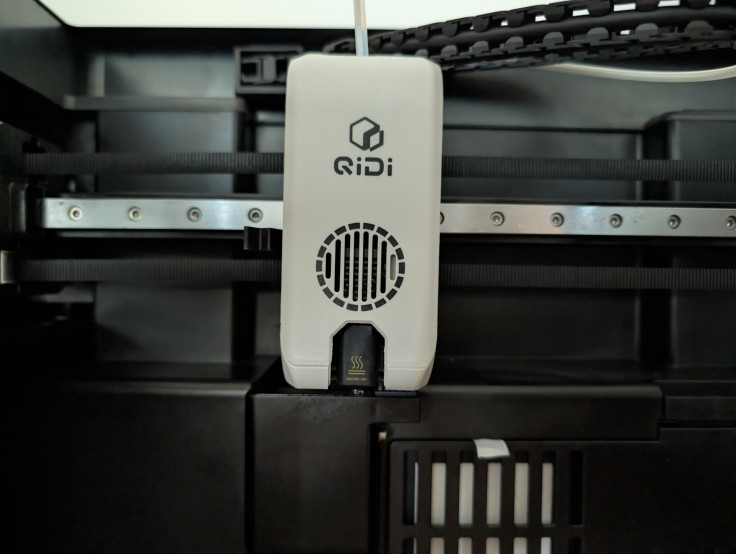
The QIDI Plus5 offers a 320 x 320 x 300 mm build volume, 370C hotend, and active chamber heating for under $800. Here is how it stacks up against the competition.
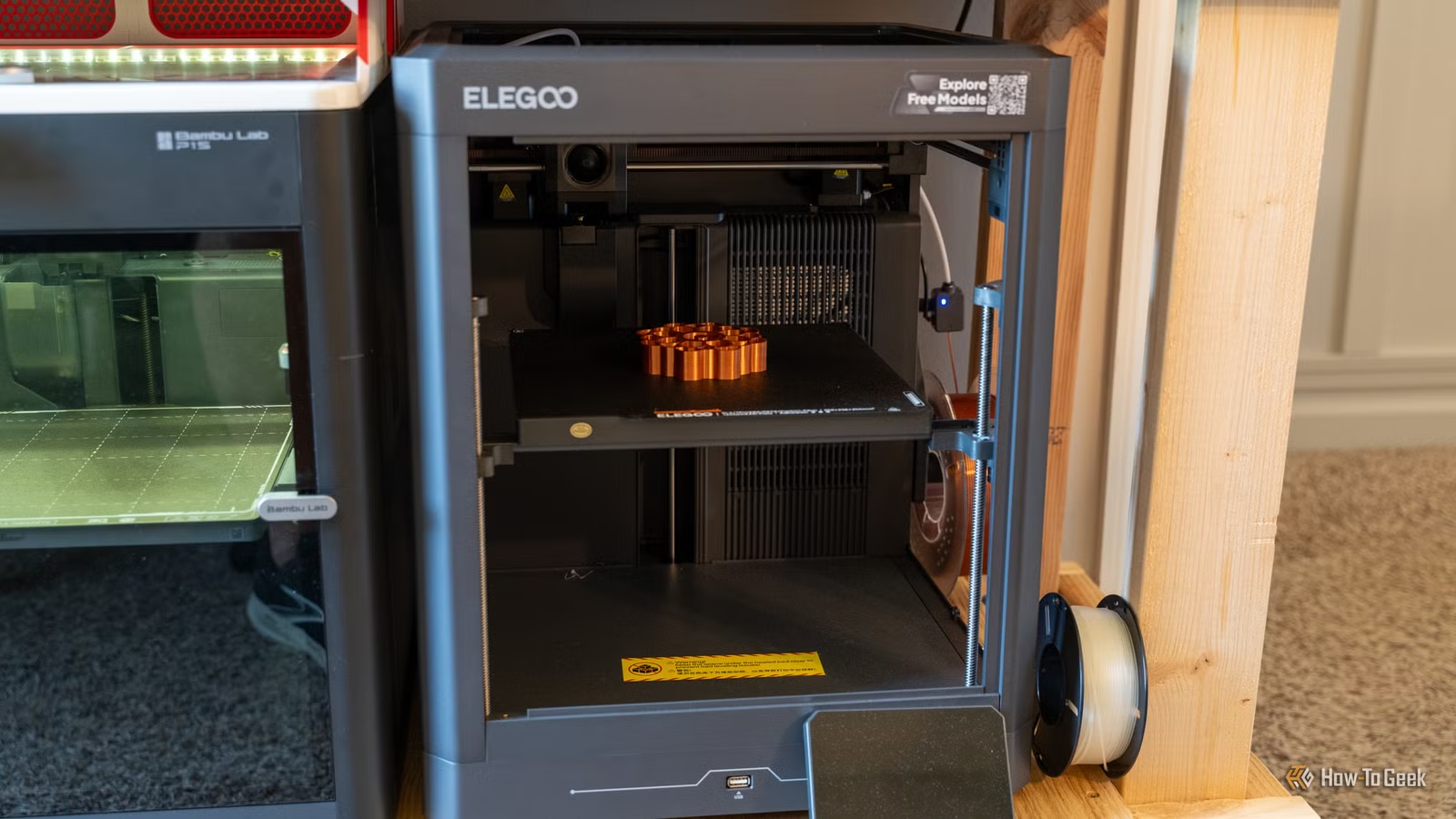
Elegoo's sub-$300 Centauri 2 proves CoreXY printers do not have to cost a fortune. We put it through real prints to see if the budget compromises matter.
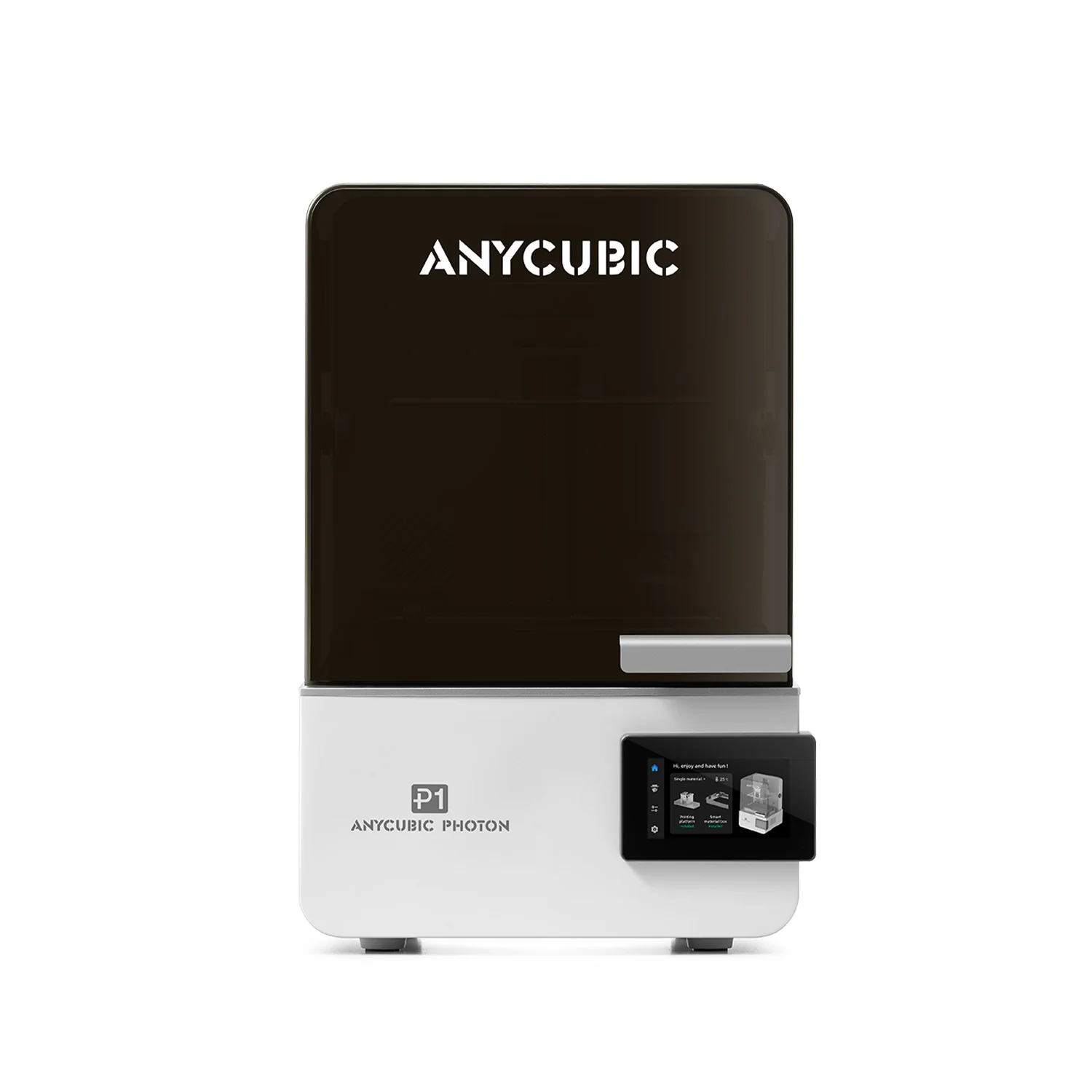
Amazon just cut the price on Anycubic's 14K Photon P1 resin printer, making one of the year's best miniatures printers even more accessible.
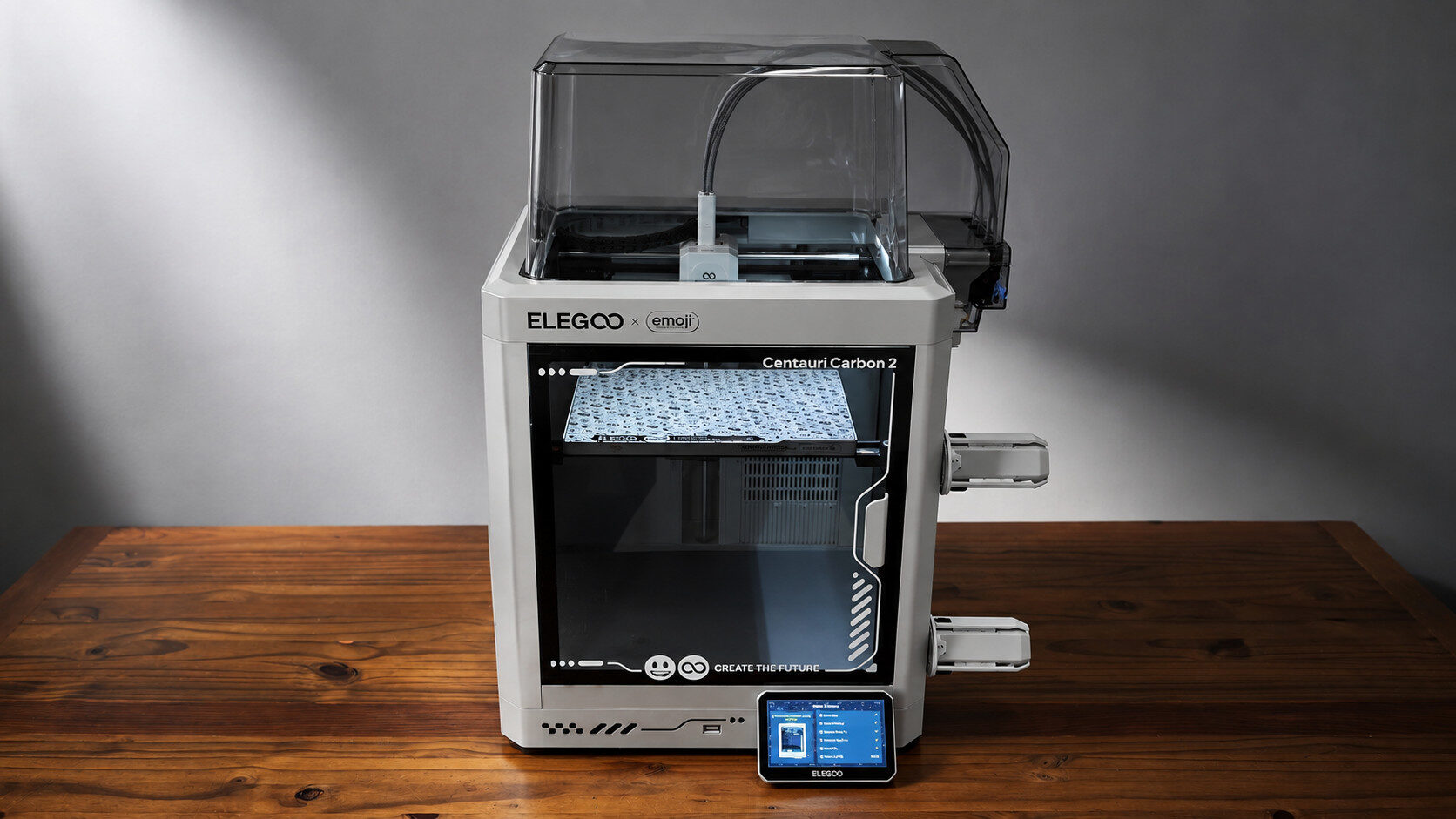
The Centauri Carbon 2 pairs multicolor printing with a closed frame and a 350C nozzle, but buggy software undermines the experience.
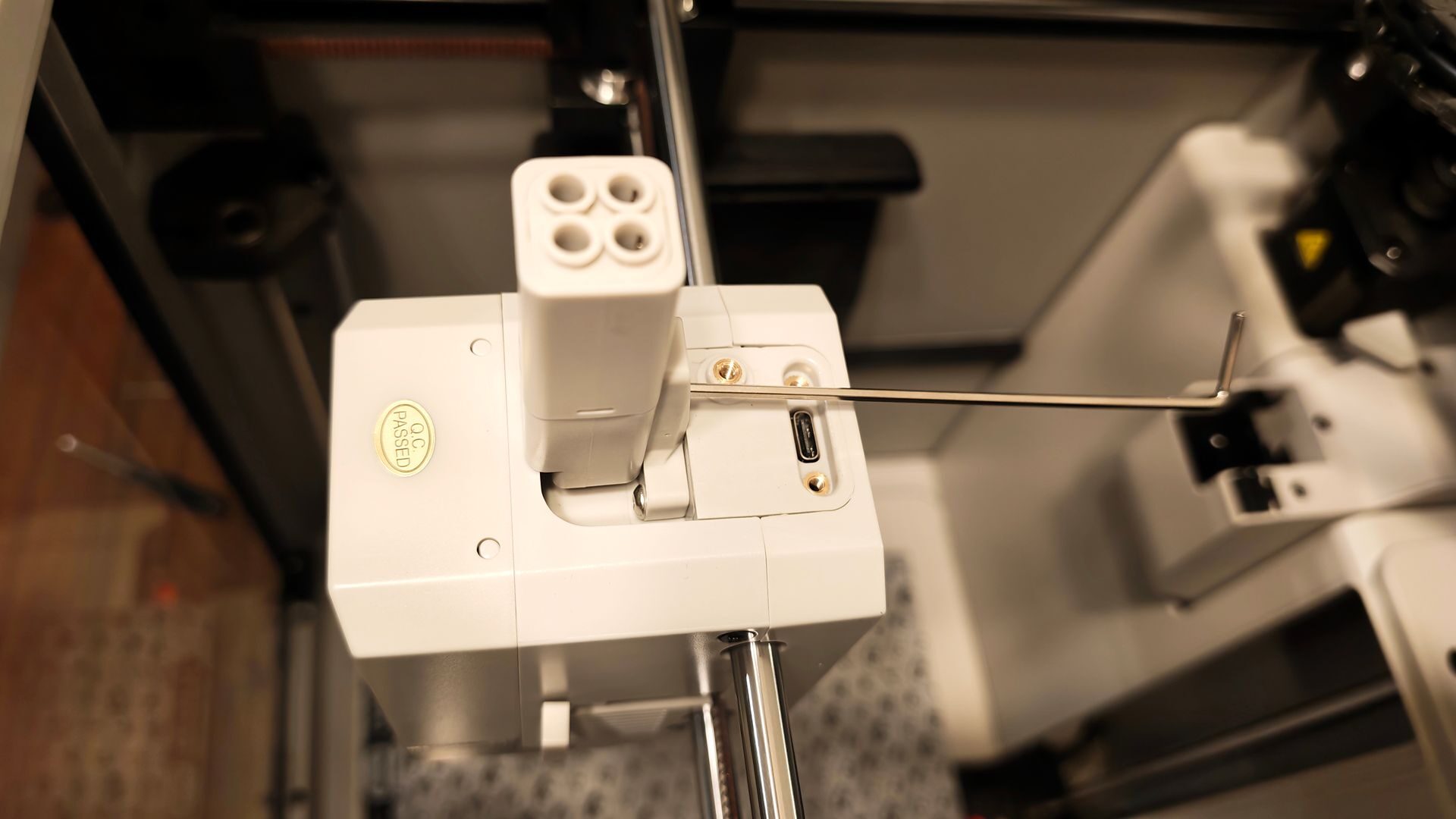
ELEGOO's emoji-themed Centauri Carbon 2 Combo has excellent hardware and genuinely good multicolor output. But buggy slicer software and network drops make it a hard recommendation for casual users.
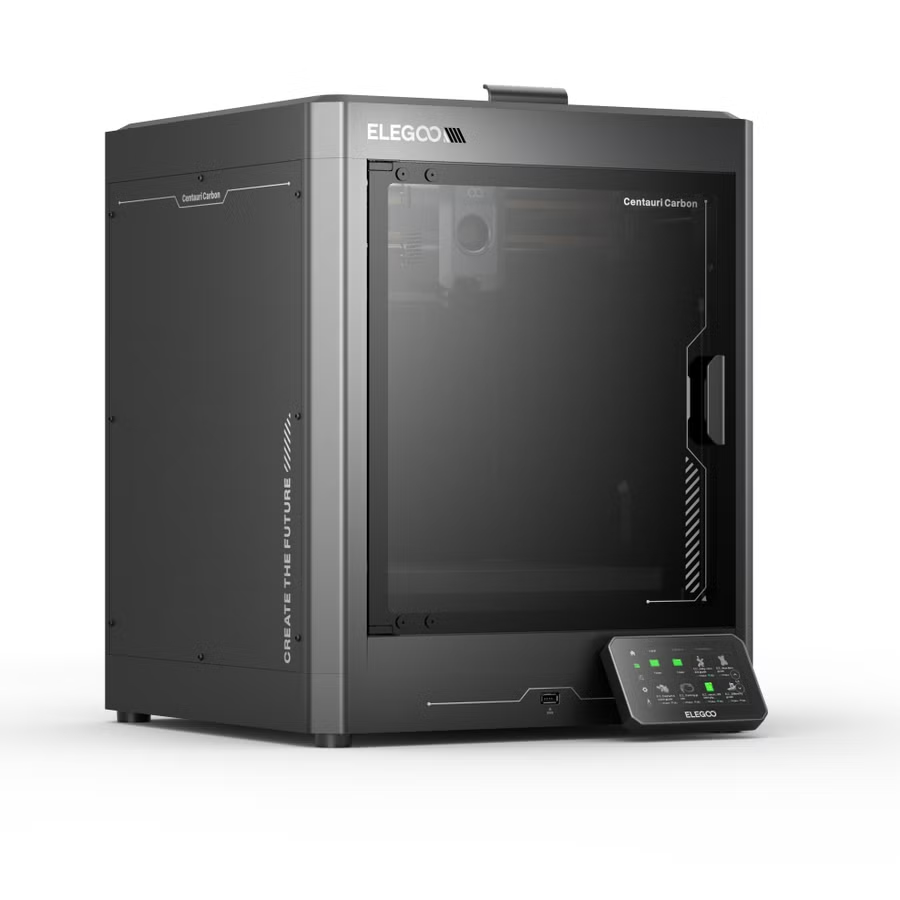
Elegoo's Centauri Carbon brings core XY motion, high-temp hotends, and a sealed chamber to the sub-$500 mass market.
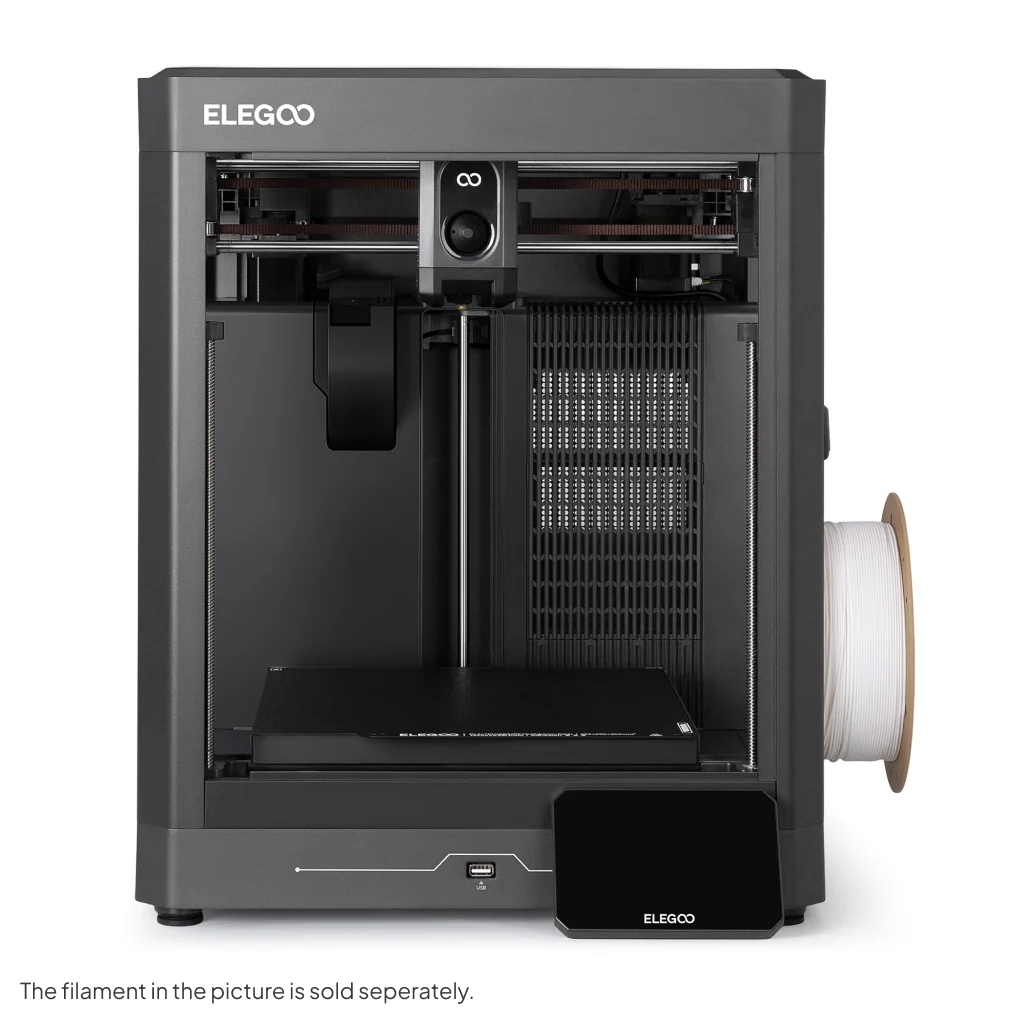
Elegoo's new Centauri 2 brings four-color multicolor printing to the mainstream with a $299 open-frame CoreXY design.

QIDI's latest large-format printer adds 18% more build volume, better linear rails, and a 65C heated chamber for under $700.
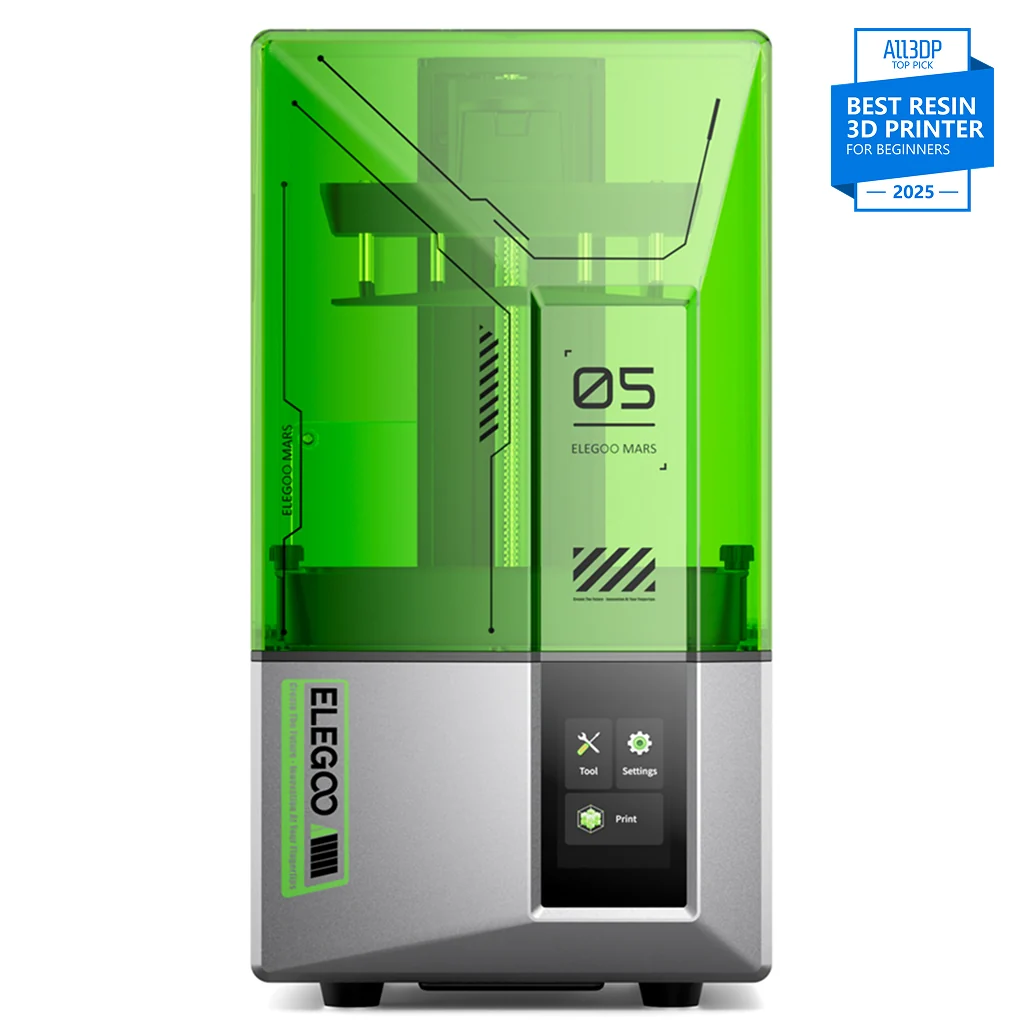
A bundle with the Elegoo Mars 5 and a bottle of resin is currently listed at 195 dollars on Amazon. That is 65 dollars off the usual price for a 4K resin printer beginners can learn on in an afternoon.
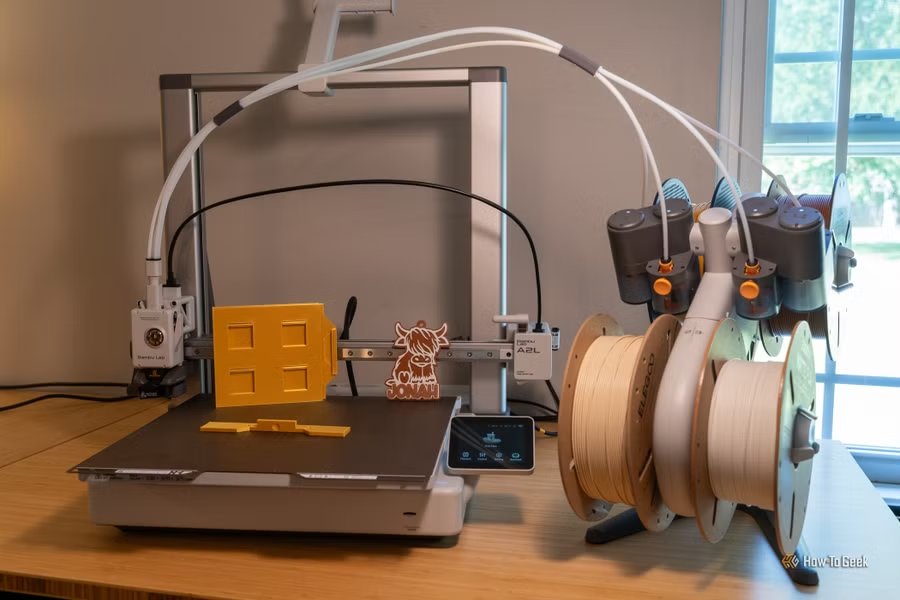
The Bambu Lab A2L delivers a 34-liter build volume, servo extruder, and optional cutting module for under $500, making large-format printing genuinely accessible.
Popular Mechanics put six current 3D printers through real-world testing to find the best buys for different budgets and use cases.
FlashForge's AD5X CoreXY multi-material printer is $215 on AliExpress right now, down from $350 on Amazon, and it ships free from a US warehouse.
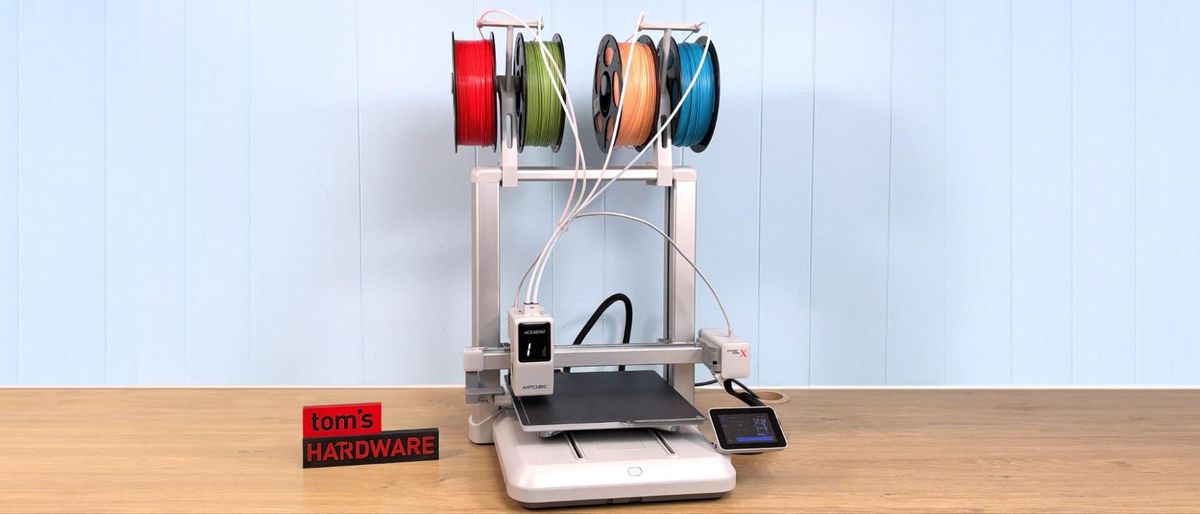
Anycubic built a multicolor 3D printer that puts four filaments inside the toolhead instead of in a side box, and it costs less than many single-color rivals.
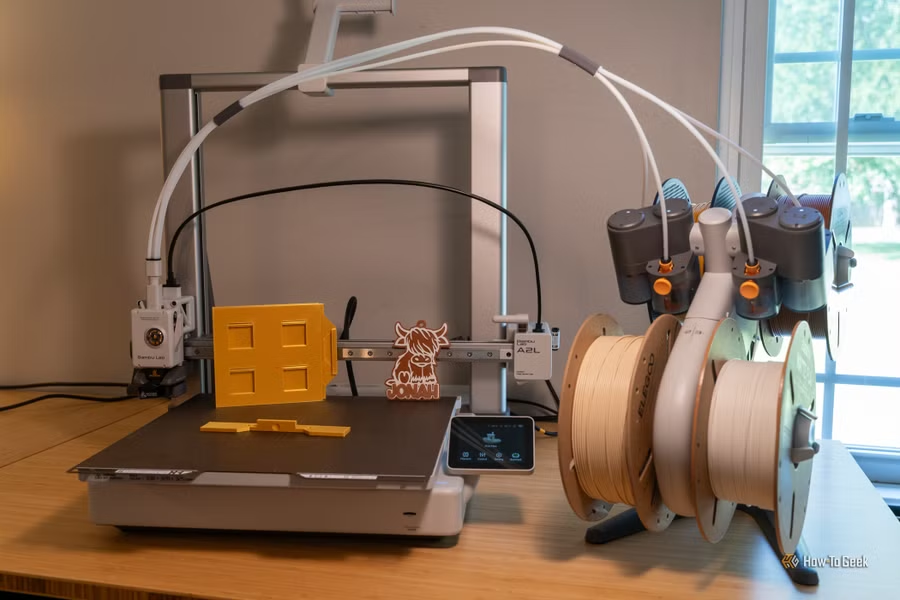
Bambu Lab's A2L doubles the A1's build volume and adds a servo extruder and cutting module for less than you expect.
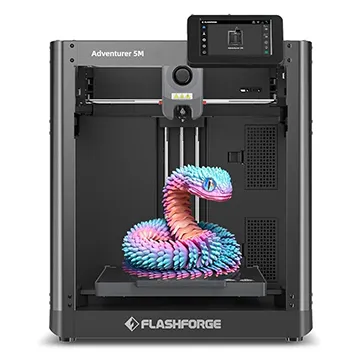
FlashForge's Adventurer 5M is currently $135 on AliExpress after a coupon, making it the cheapest CoreXY printer from a reputable brand you can buy today.
Bambu Lab's A2L now has an optional cutting module that turns the printer into a low-cost plotter for cardboard and thin materials.
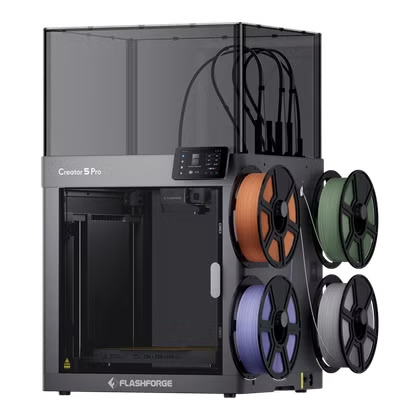
FlashForge's first toolchanger printer cuts purge waste dramatically and handles engineering filaments, but its software still needs work.
An independent test of Polymaker's new ABS Pro and ABS Max shows both survive oven temperatures above 100C, with the Max holding until 111C.
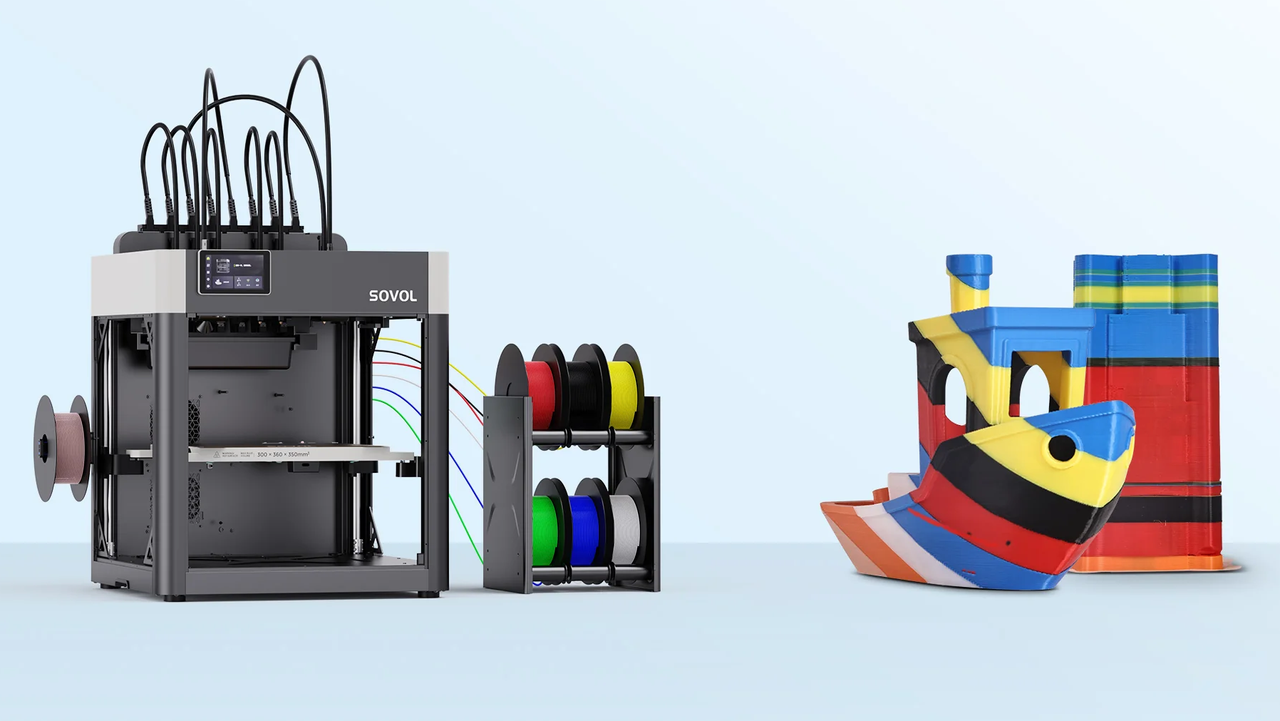
The X2D replaces the X1 Carbon with dual nozzles, a 65C heated chamber and 70% less purge waste, starting at $649.
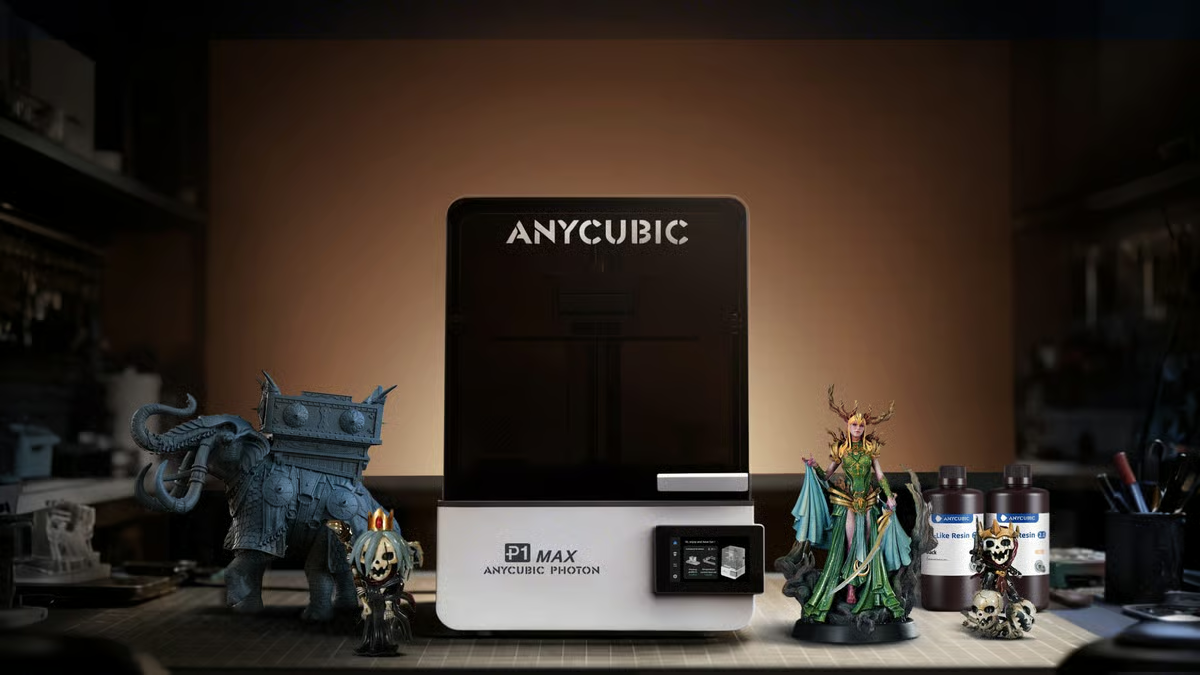
Anycubic's new Photon P1 Max is a large-format resin printer designed for long, high-precision jobs without requiring industrial floor space.
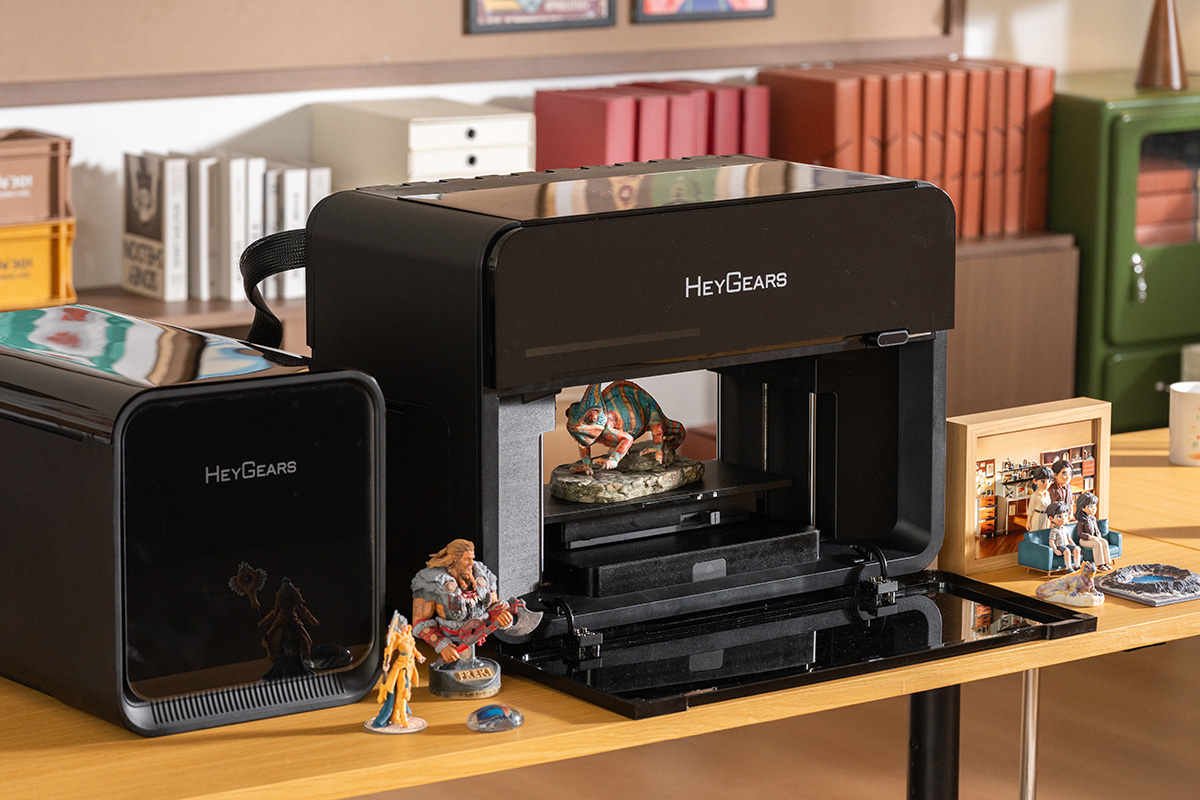
The HeyGears G1X uses UV inkjet technology and resin to produce color models with over 10 million shades, plus 2D printing on 400 materials.
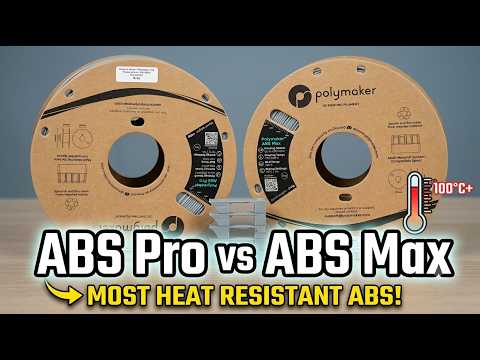
Polymaker's two high-temperature ABS filaments promise better heat resistance and easier printing. We break down the differences.
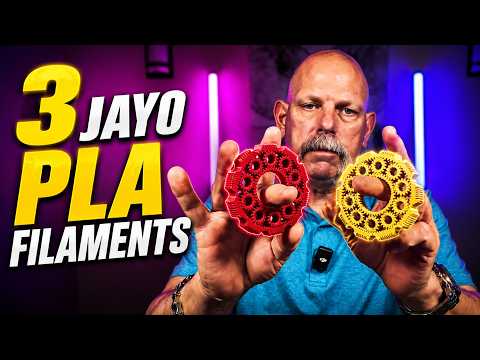
EDGE OF 3D ran JAYO's latest PLA materials through the same lab tests used across its filament database, including PLA+ 2.0, Silk PLA+ and High Speed Marble PLA.
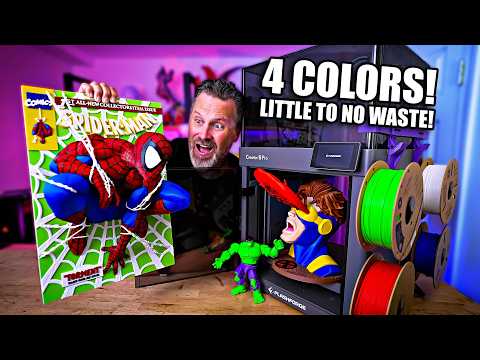
FlashForge's first toolchanger puts four independent heads on one bed for $849, but the ecosystem still gets in the way.
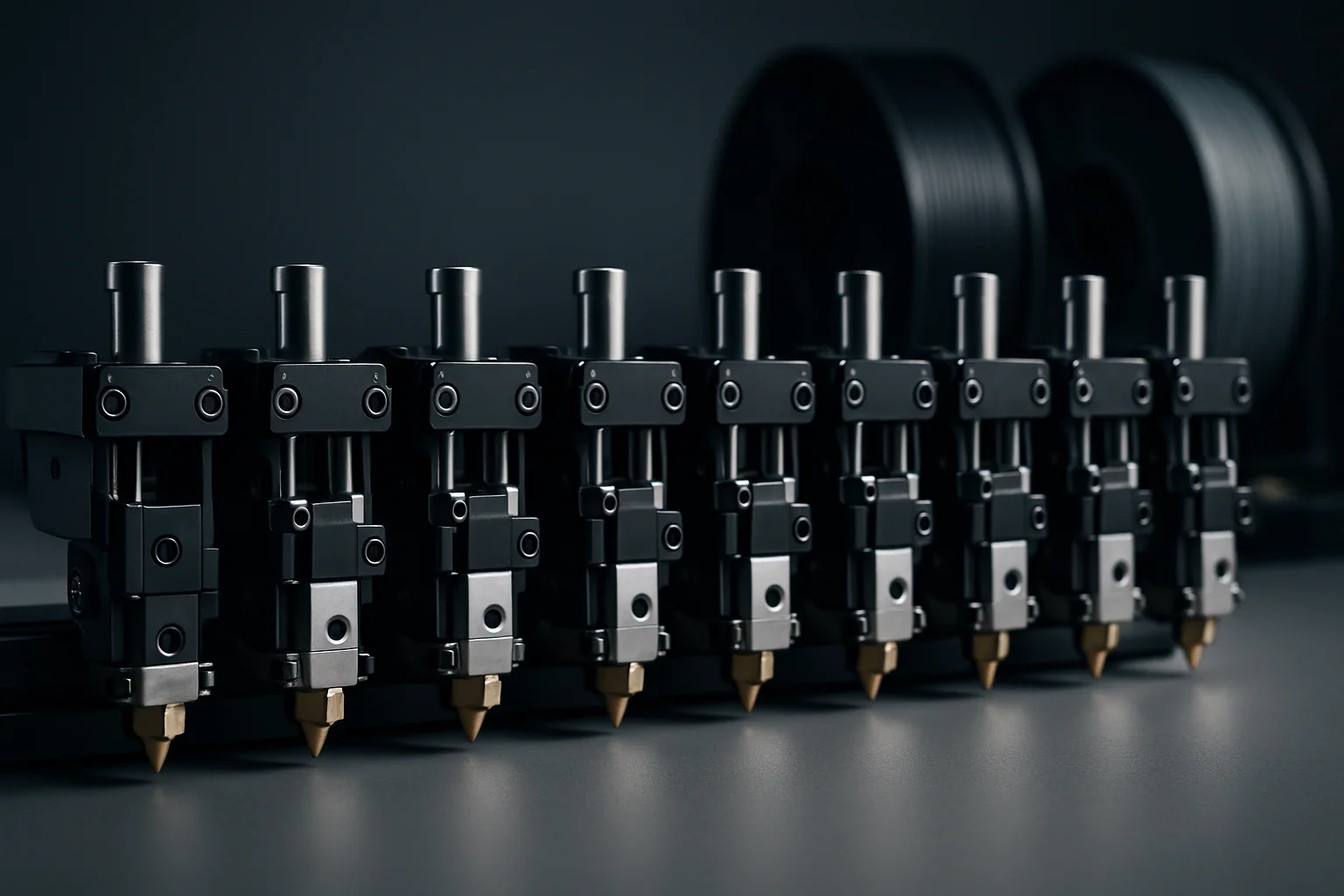
Prusa's INDX kit swaps the CORE One's single nozzle for up to eight, with almost no purge waste. Here is what the specs and early units tell us.
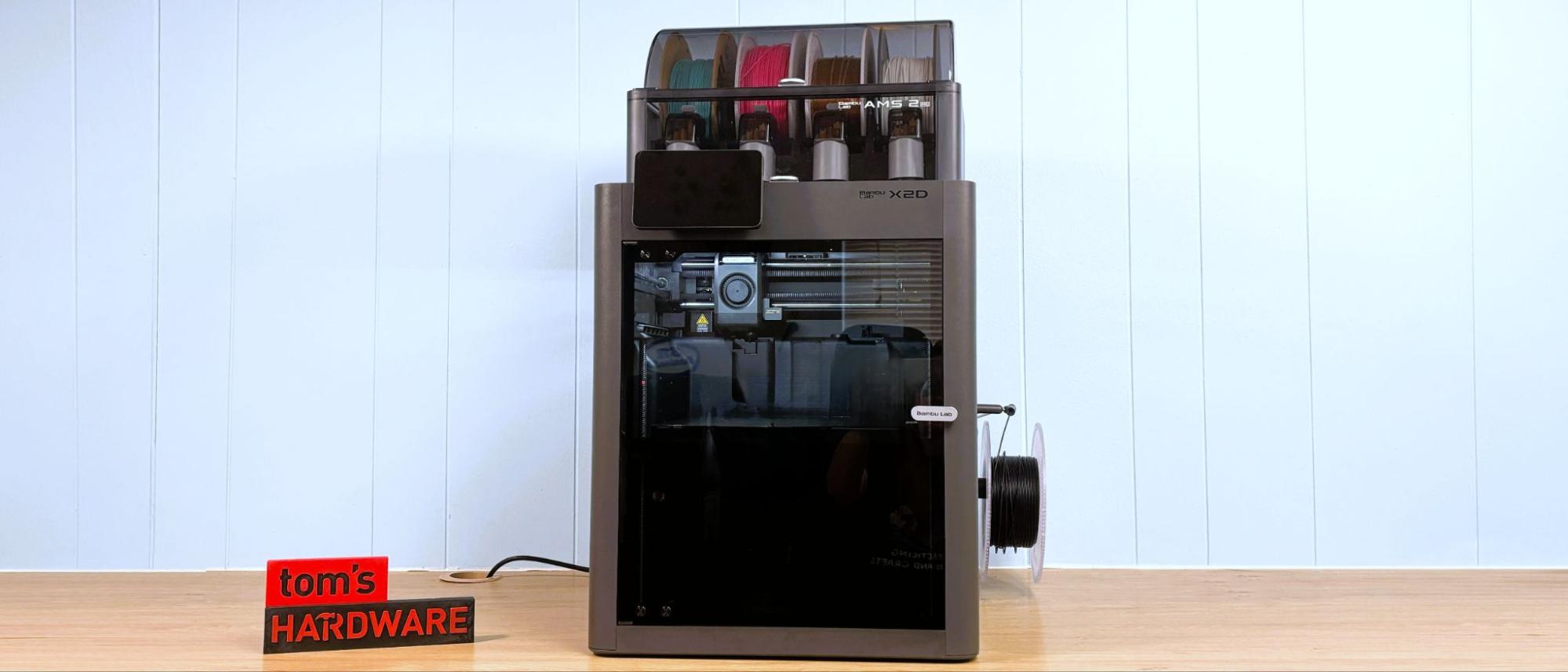
Bambu Lab's X2D adds a second nozzle, a heated chamber, and Dynamic Flow Calibration at X1C quality for less money. Here is who should buy it.
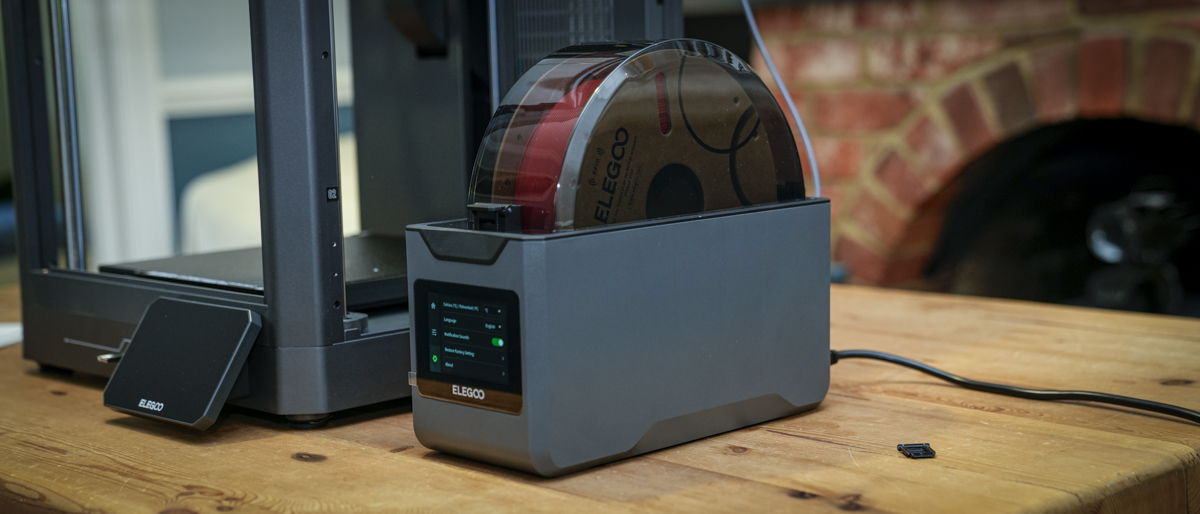
Elegoo's first filament dryer hits 85°C, feeds the printer while it dries, and fixes the Centauri Carbon 2's open-spool weakness for £62.
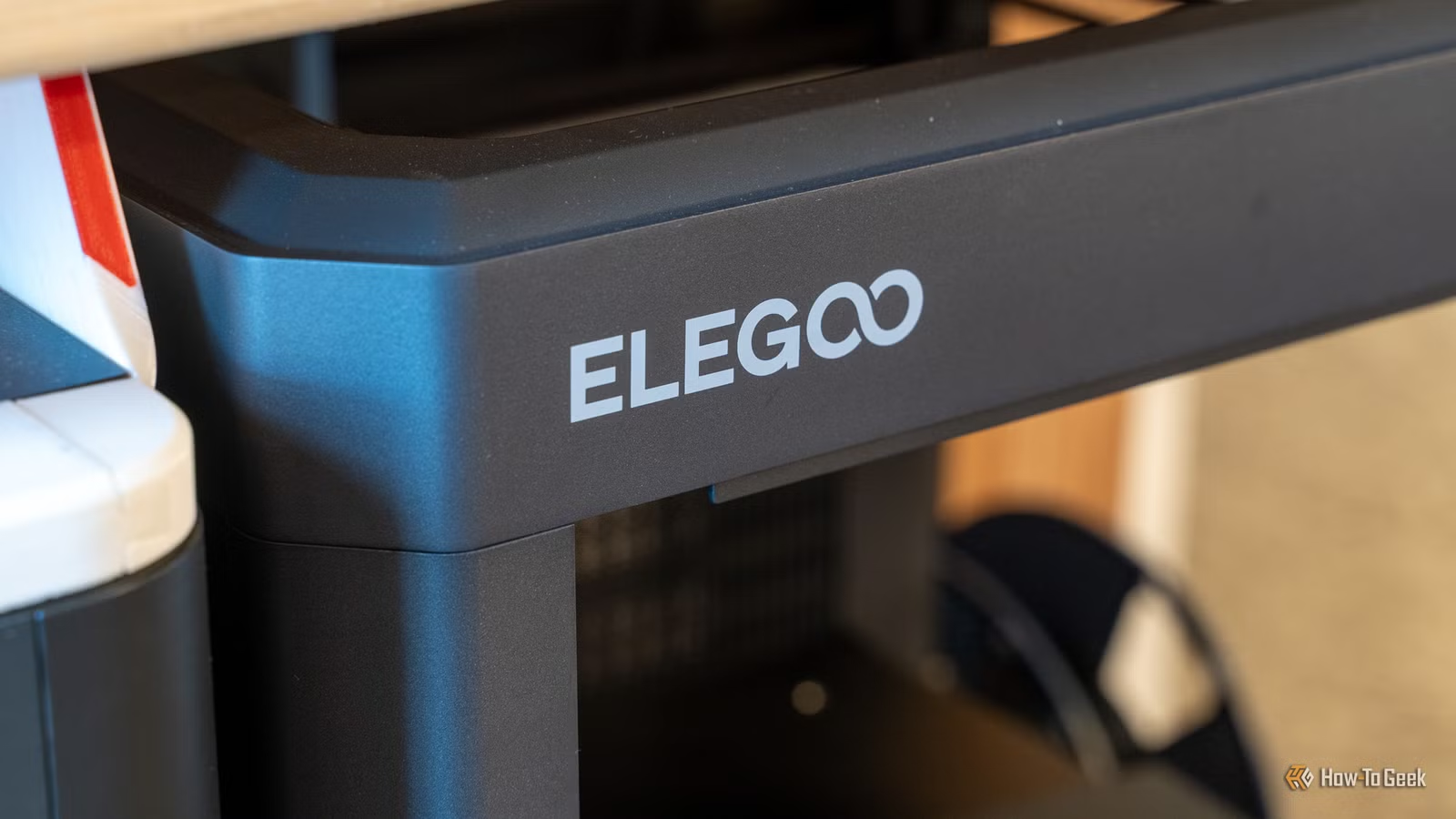
Elegoo's $299 Centauri 2 brings auto bed leveling and a direct-drive extruder to a full-size CoreXY. We put its out-of-box quality to the test.
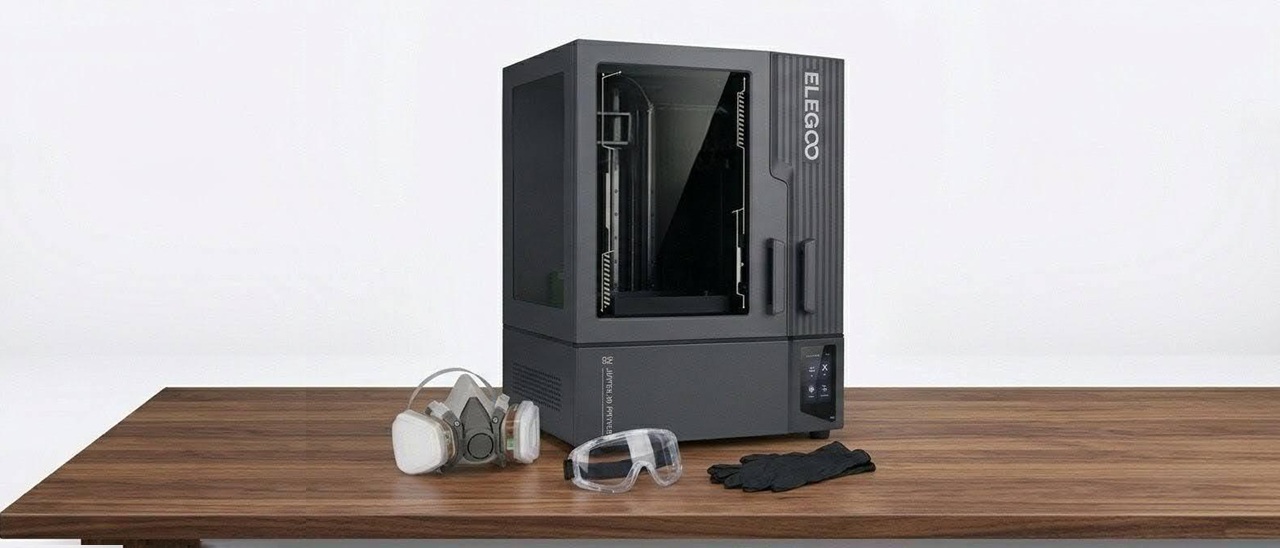
Elegoo's Jupiter 2 brings 16K resolution, a heated vat and auto-refill to large-format resin printing at $949.
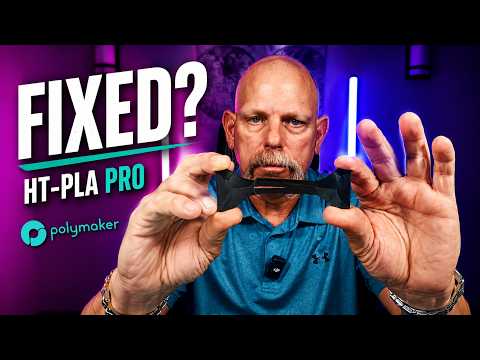
Polymaker's HT-PLA Pro isn't a hotter PLA, it's a tougher one, with better layer adhesion than the original for stronger parts.
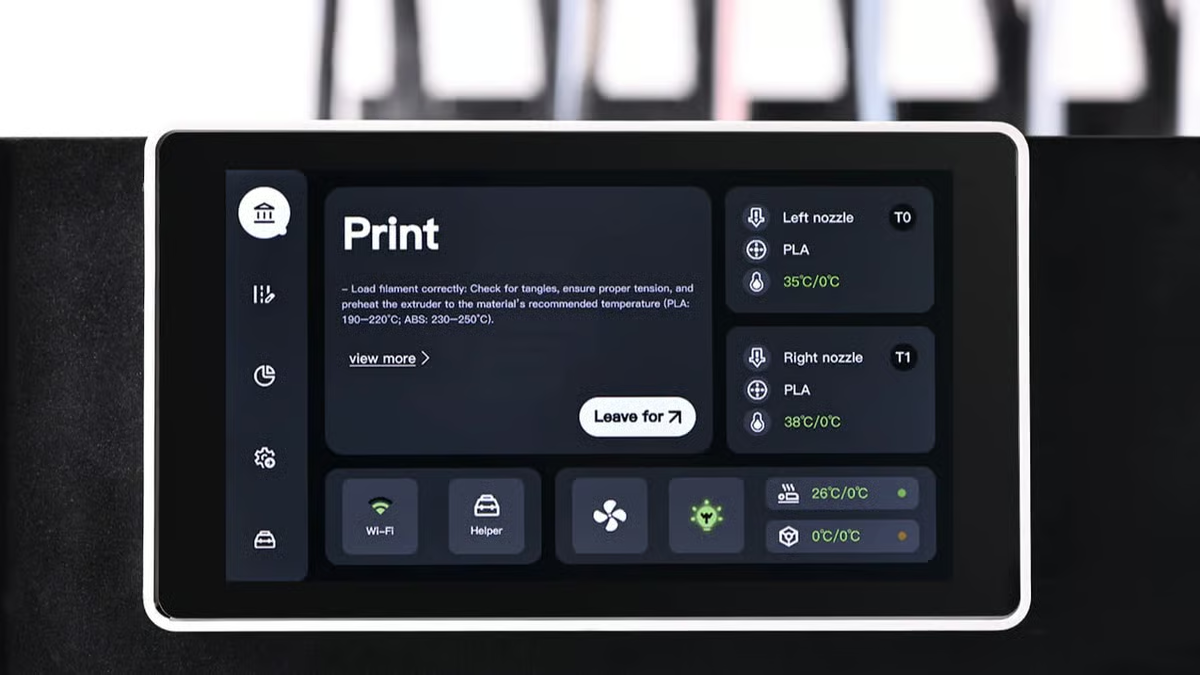
The M1D combines IDEX with a 7-tool carousel. Is this the real alternative to Bambu AMS and Prusa MMU? We break down the engineering.
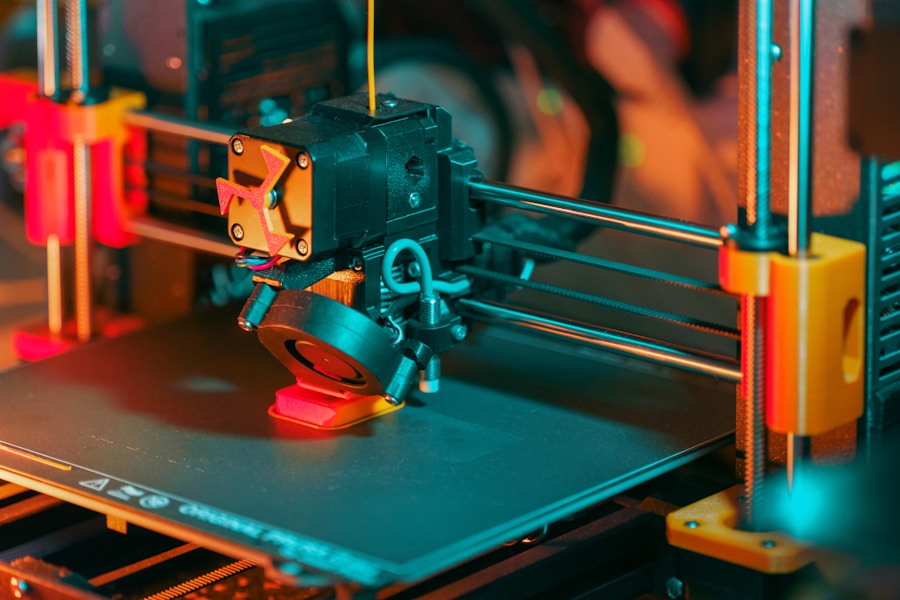
Six months with the Bambu Lab H2C: the Vortek hotend-swapping system delivers zero-waste multi-material printing. Is it worth the price?
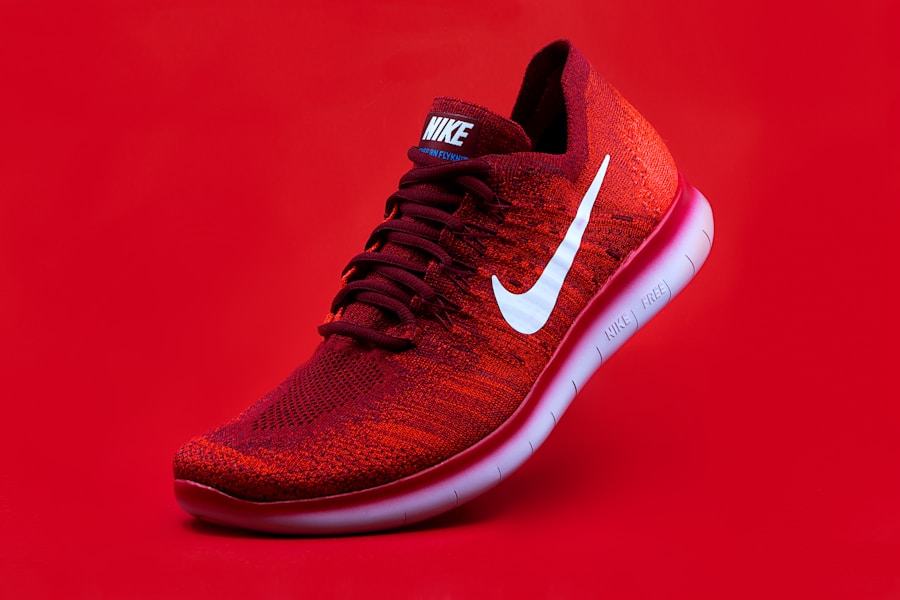
Siraya Tech new Roamr TPU Air HR filament delivers 48-50% rebound, potentially revolutionizing 3D printed footwear.
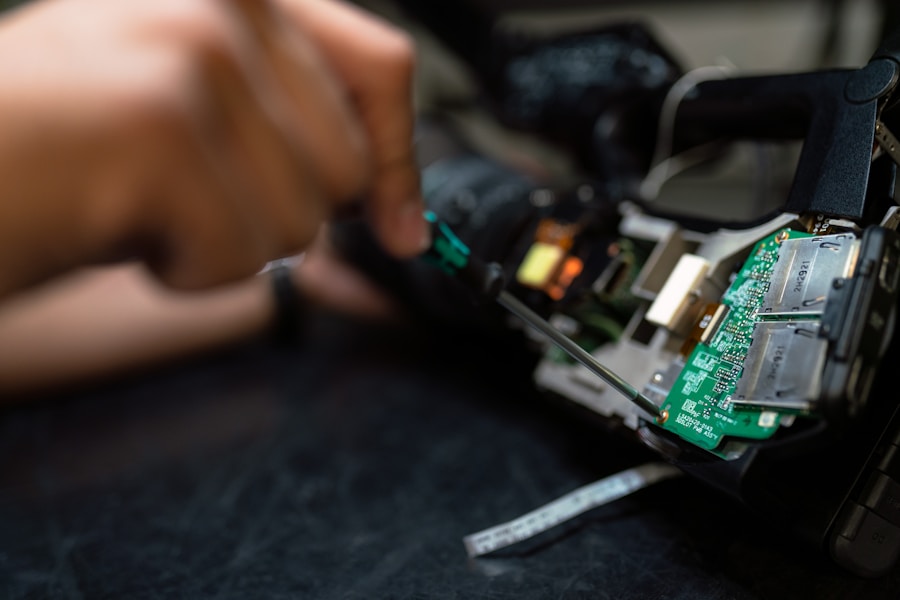
Elegoo just made multicolor 3D printing affordable, the Centauri Carbon 2 Combo delivers 4-color printing at just $449.
The Sovol SV08 Max combines a massive 500×500×500mm build volume with blazing 700mm/s print speeds and smart filament monitoring.
Technical evaluation shows 3D Fuel Pro PCTG achieves 84.43 benchmark score with excellent dimensional accuracy, making it a strong for functional engineering parts choice.
Teachers across the country agree: the Bambu Lab A1 mini is the best 3D printer for classrooms in 2026.
The Sovol SH03 is a dual-chamber filament dryer with auto-dehumidification, 4-spool capacity, and smart features—for under $100.

My Tech Fun reviews Sunlus carbon fiber PPA filament — extreme stiffness but limited availability.
Manufacturers claim 500mm/s — but what does that mean for actual print times? We cut through the spec sheet noise with real Benchy benchmarks.

At £200-250, the Neptune 4 Pro runs Klipper, hits real-world 250mm/s, and offers more build volume than the A1 Mini — making it the best value speed printer around.
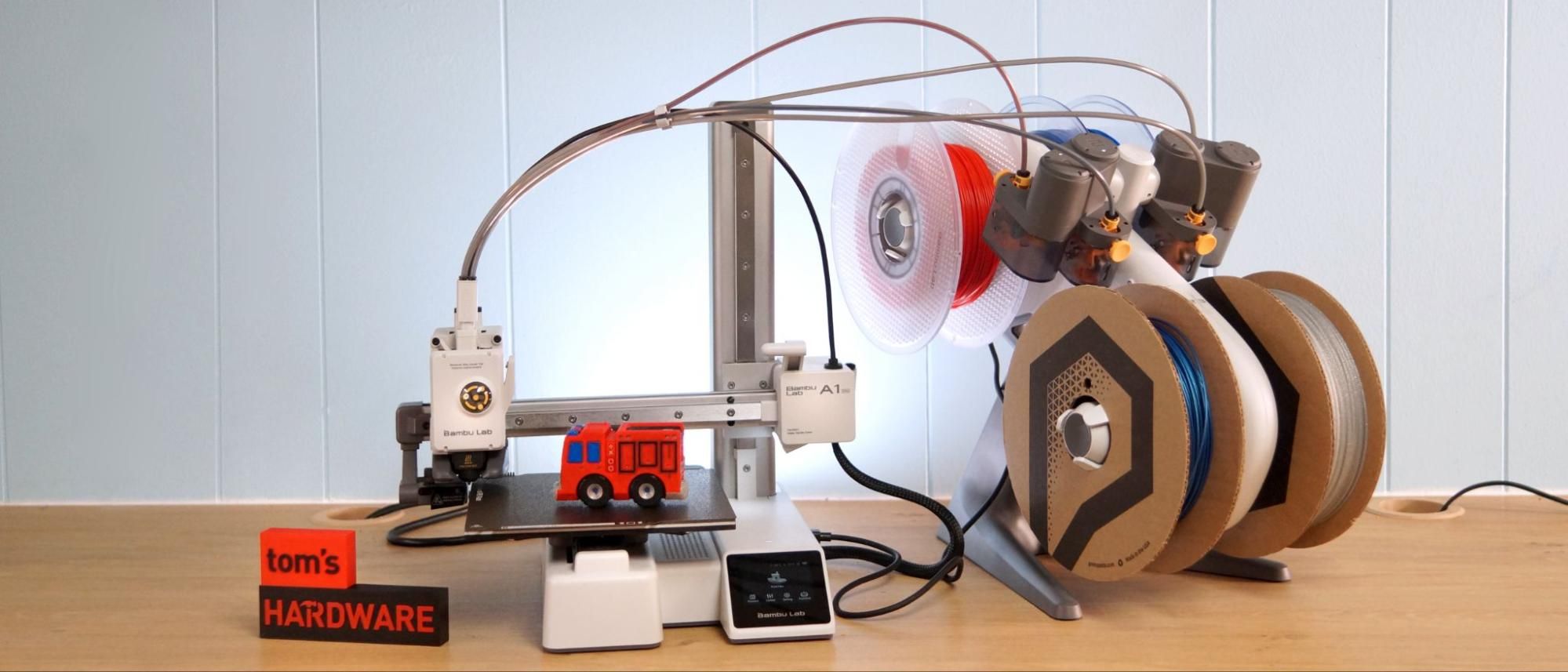
The A1 Mini still sets the bar for beginner 3D printers — but Bambu's 2025 authentication drama complicates the recommendation.