
PCBWay Cuts Manufacturing Costs in Half for Student Projects
Students can now get 50% off PCB fabrication, assembly, 3D printing, and CNC work through PCBWay's refreshed Future Innovators Program.
154 articles
Students can now get 50% off PCB fabrication, assembly, 3D printing, and CNC work through PCBWay's refreshed Future Innovators Program.

A new video test compares three FilamenTree matte PETG filaments to find out if the matte finish comes with a hidden strength penalty.
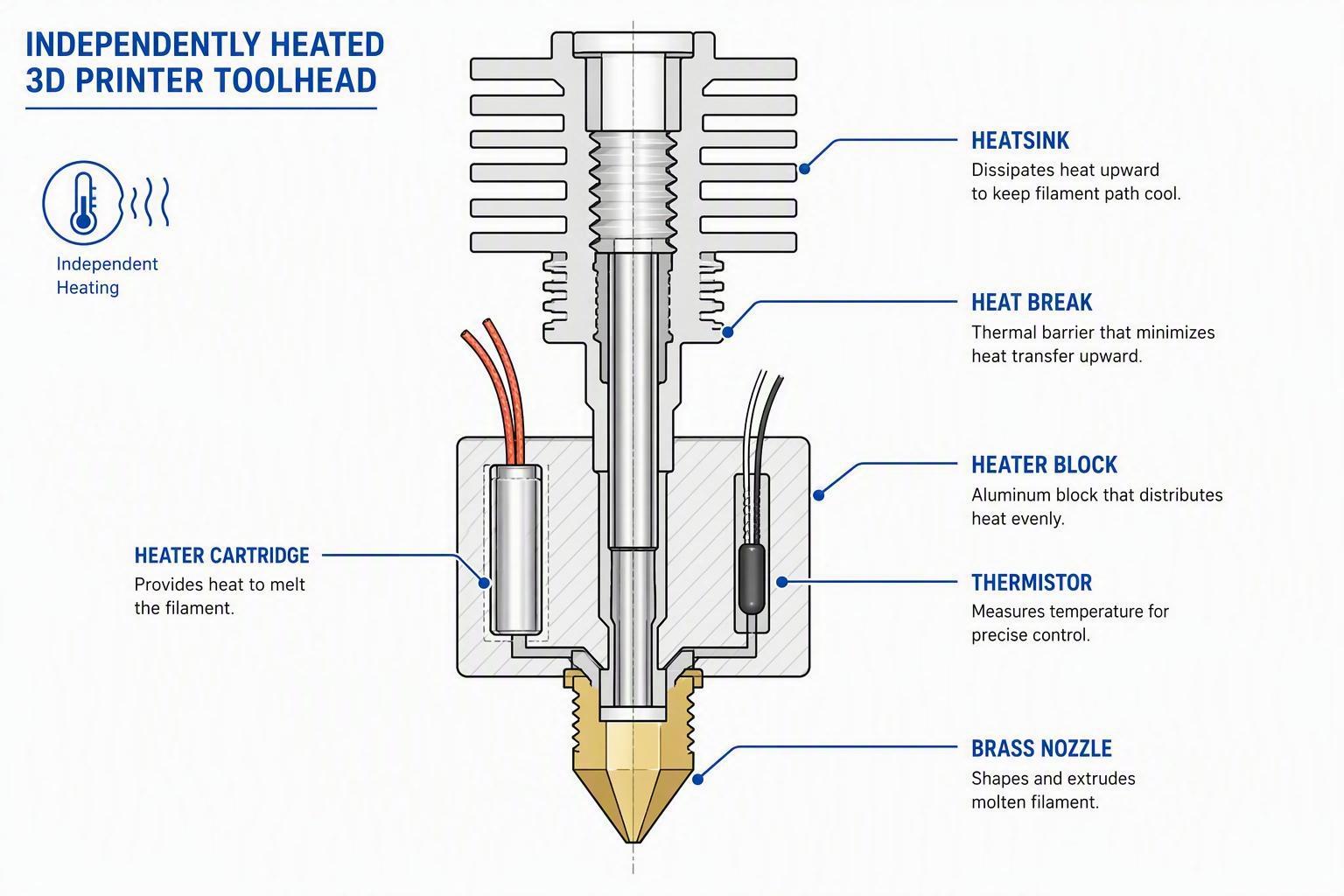
Sovol's M1D tool-changer gives each filament its own heater and nozzle. Here is why that matters for multi-material prints.
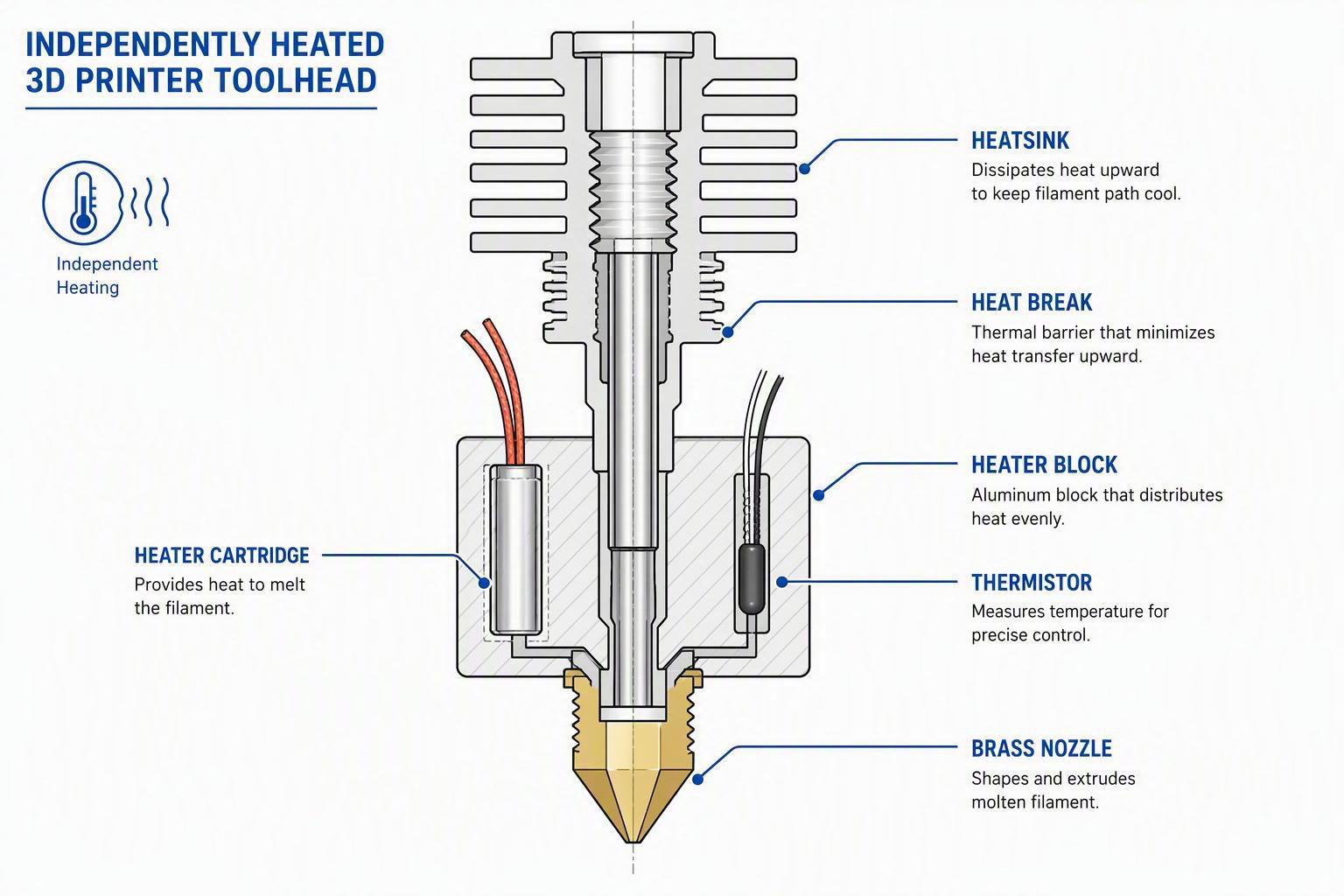
Sovol's M1D tool-changer gives each filament its own heater and nozzle. Here is why that matters for multi-material prints.

Pairing the wrong filaments in a Sovol M1D multi-material print causes warping, clogging, and failed layers. Here is how to match materials that actually work together.
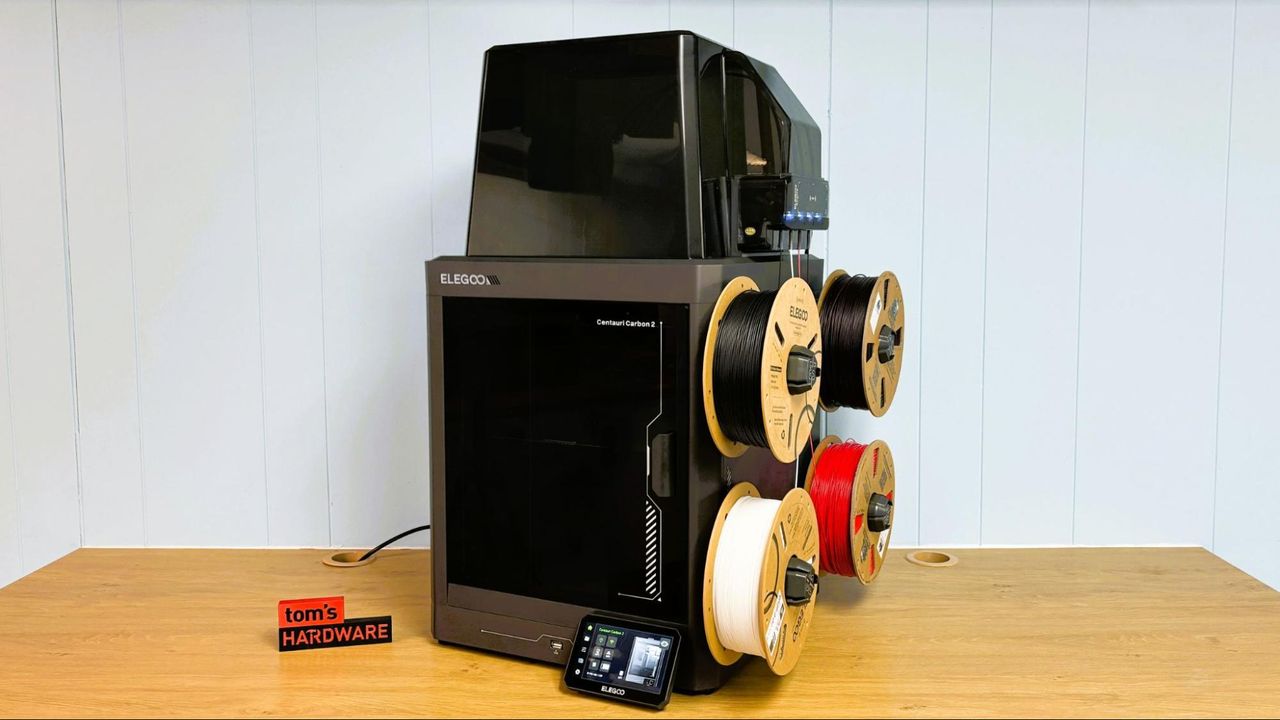
Elegoo's September flash sale cuts the Centauri Carbon 2 Combo to $399 and throws in 1KG of filament for a single dollar.
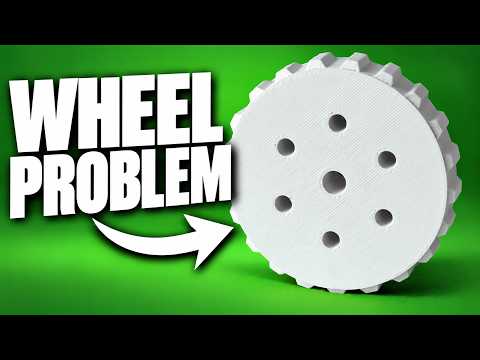
Slant 3D launched a free web app that generates custom wheels, casters, and rollers to order, eliminating the catalog hunt for non-standard sizes.
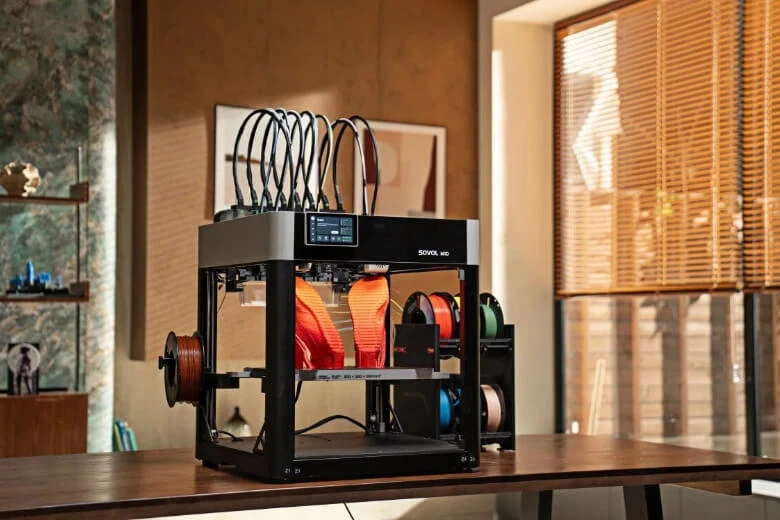
The M1D's tool-changing system opens multi-material printing, but your first job still depends on a few checks before you hit print.
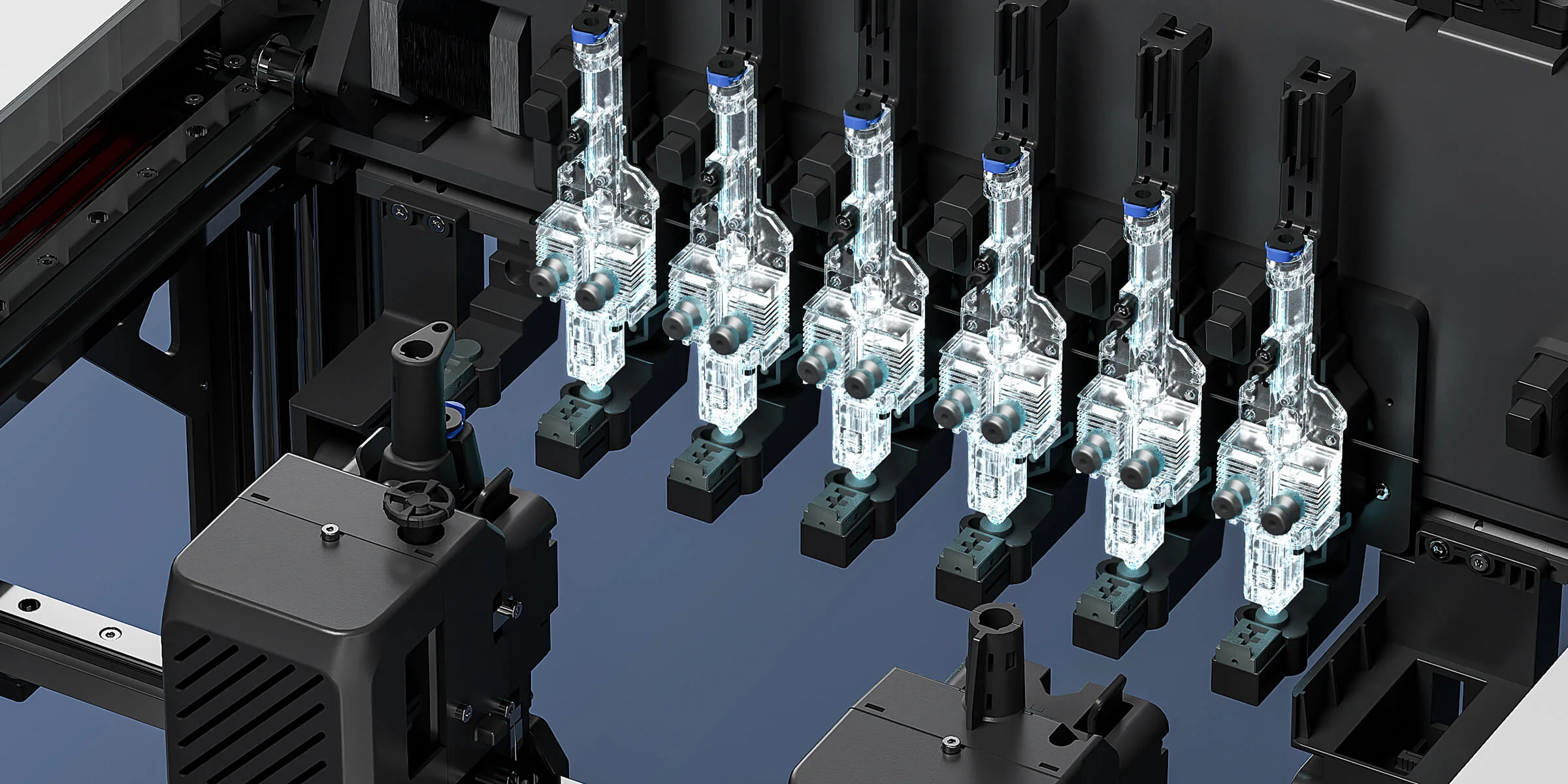
From unboxing to your first completed layer on the Sovol M1D, here are the setup steps that actually determine whether the first print succeeds.
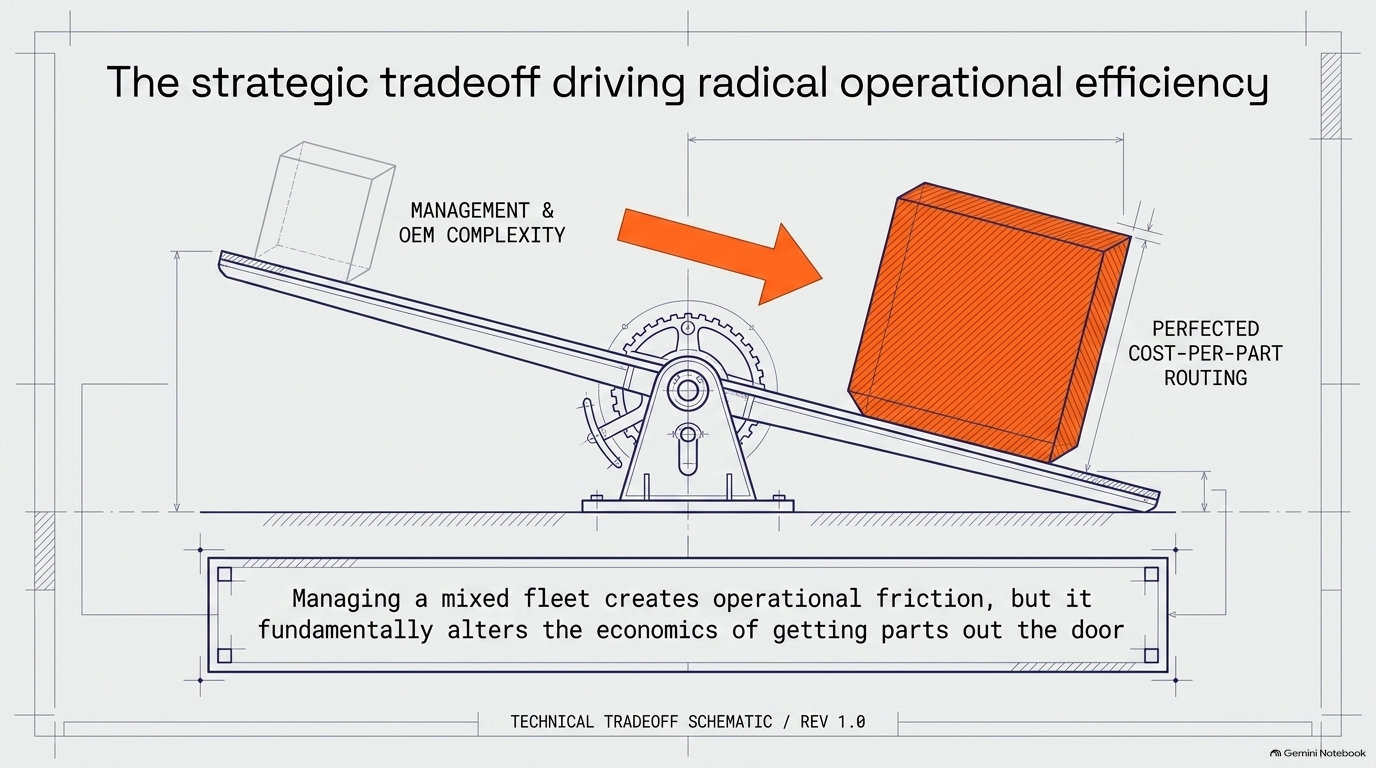
A 3DPrint.com blueprint proposes five printer brands in one factory. Here is what it would cost in equipment, floor space, and software to make that work.
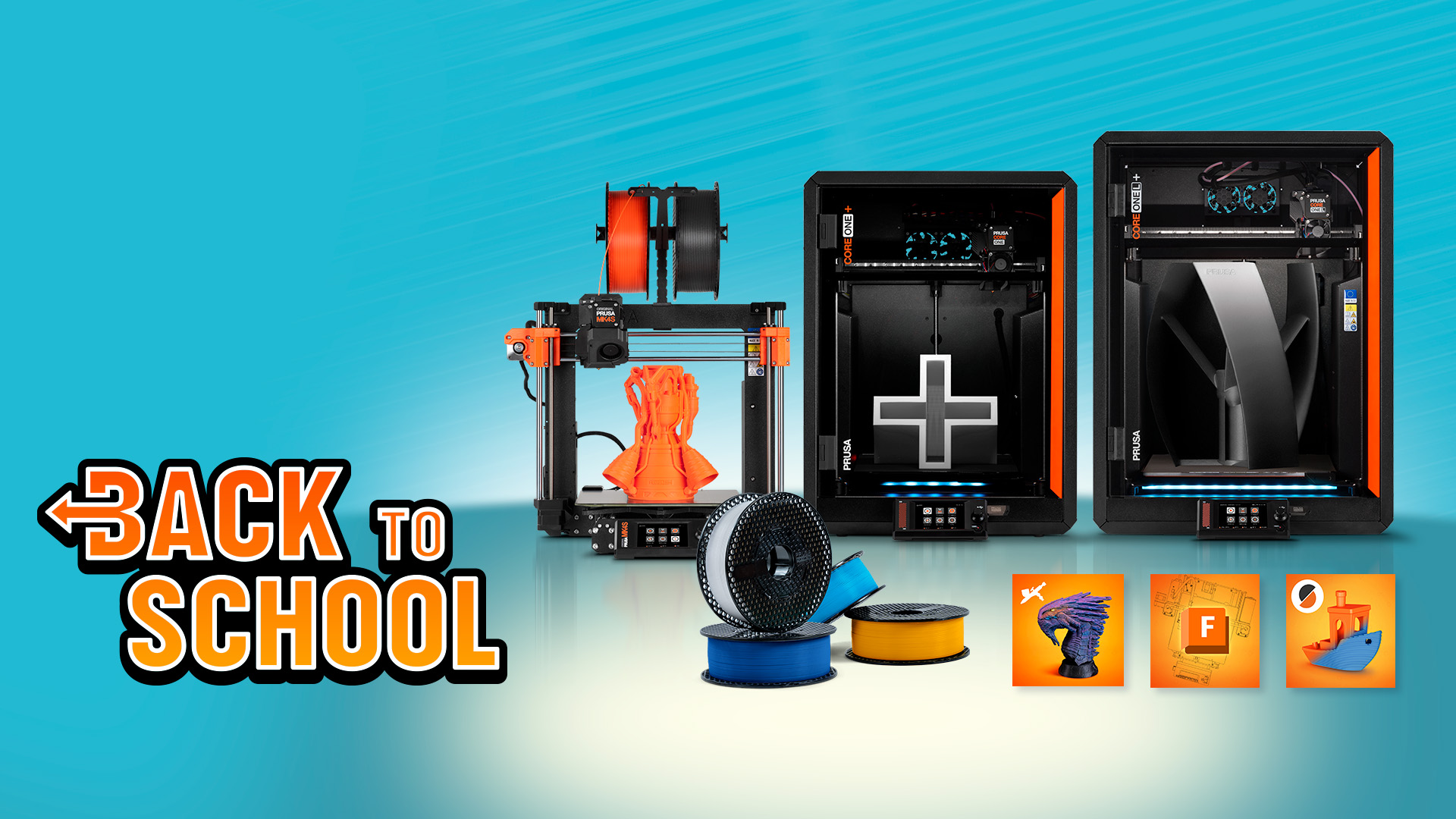
Prusa kept the same price on the refreshed CORE One+ and XL+ and promised upgrade kits for existing owners. Here is what is available now and what is coming.
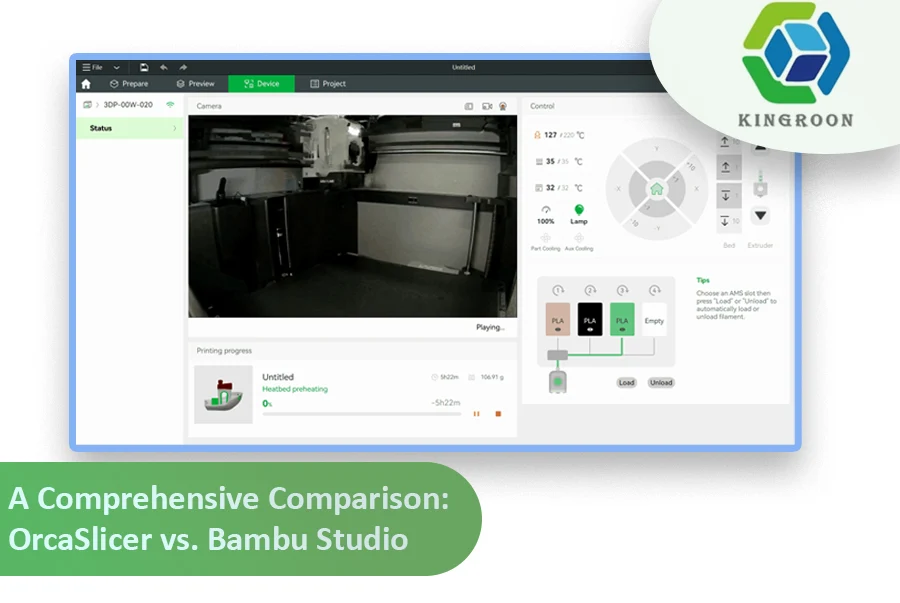
OrcaSlicer and Bambu Studio share the same roots but have grown apart. Here is what changed in 2026 and which one fits your workflow.
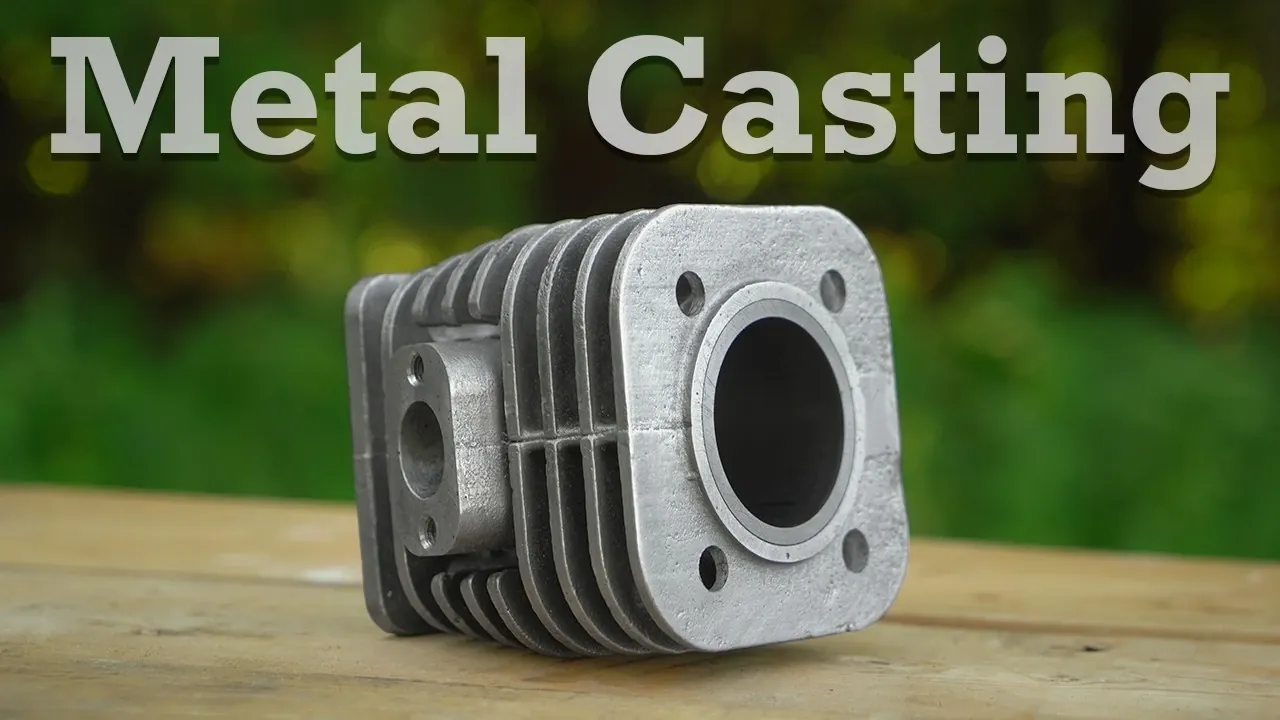
A homemade foundry, some plaster, and a 3D-printed PLA model are all you need to cast aluminum engine parts from nothing but filament.
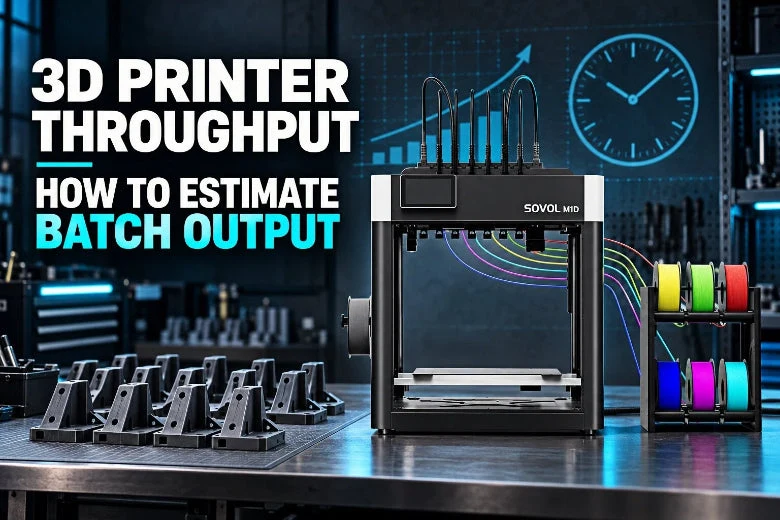
A printer rated at 600 mm/s can still fall behind a slower machine. Here is how to plan for actual parts per hour, not spec-sheet fantasy.
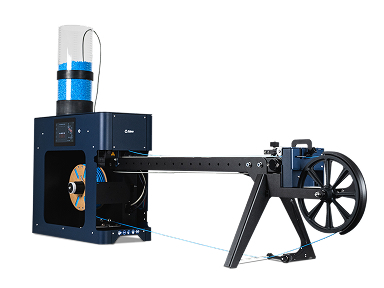
3devo's new X10 can make 1.5 kg of filament per hour from recycled waste or virgin pellets, with tight tolerances that print farms can actually use.
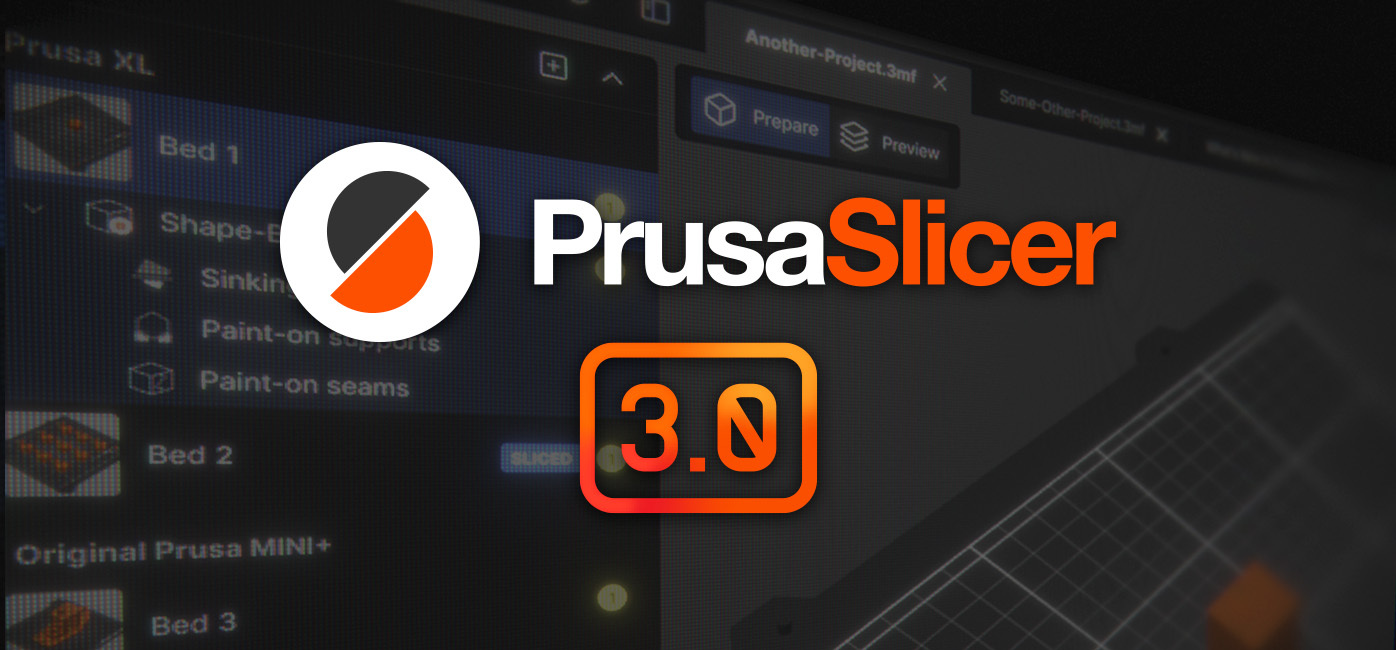
Prusa released the first public preview of PrusaSlicer 3.0, a full rewrite 15 years in the making.
A printer advertised at 600 mm/s can still finish fewer good parts per day than a slower machine that runs reliably through the night.
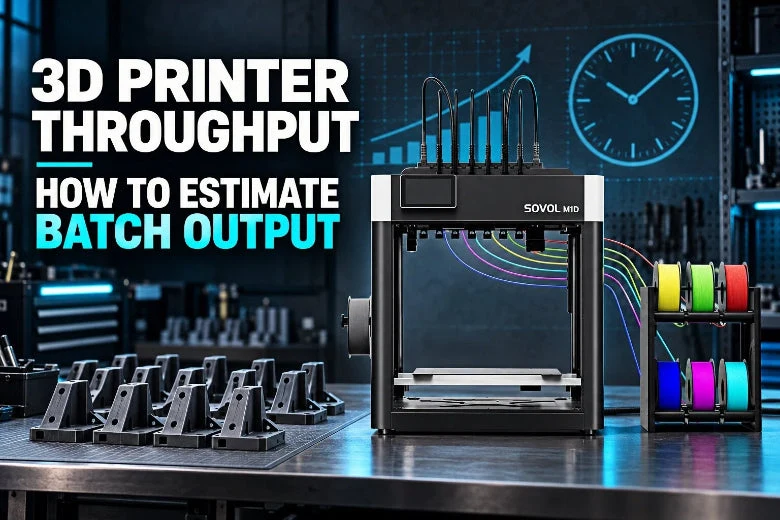
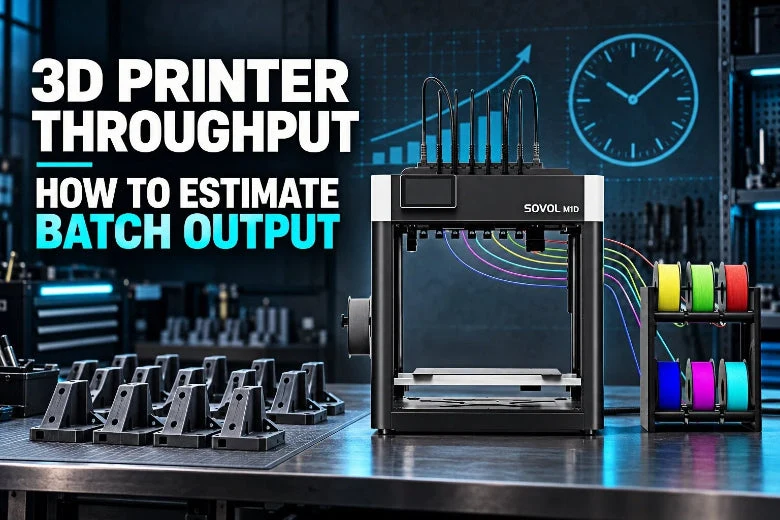
A printer's top speed tells you nothing about how many good parts it can deliver by Friday. Here is how to measure real batch output.
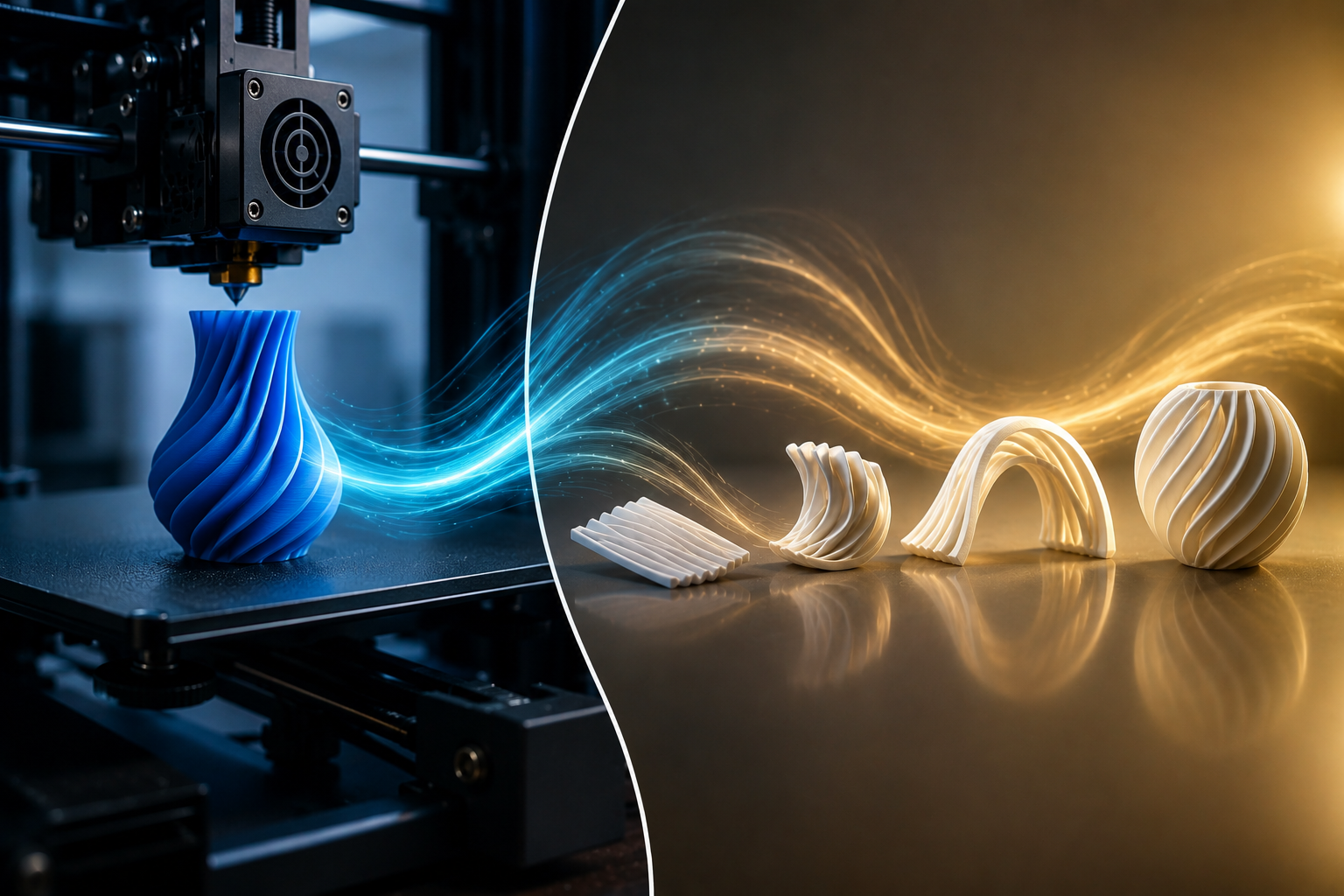
4D printing adds time as the fourth dimension, letting objects change shape or function in response to heat, water, or light.
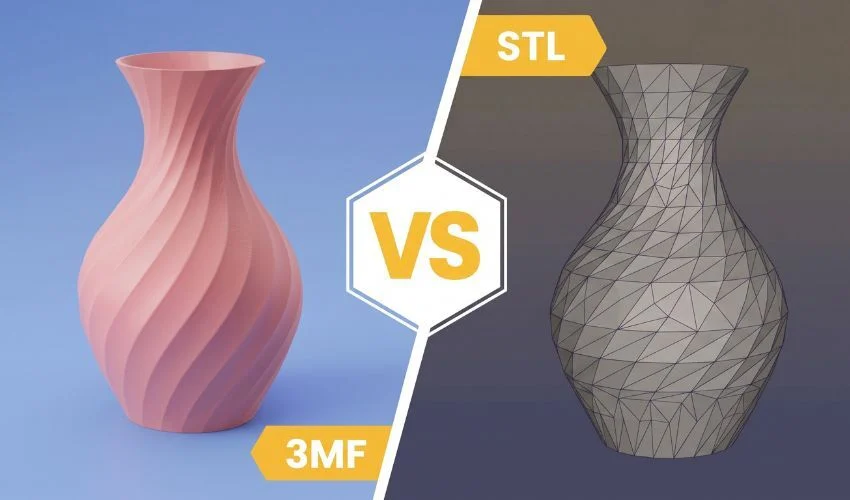
STL works with every slicer, but 3MF holds color, materials, and settings in one file. Here is how to pick for your workflow.
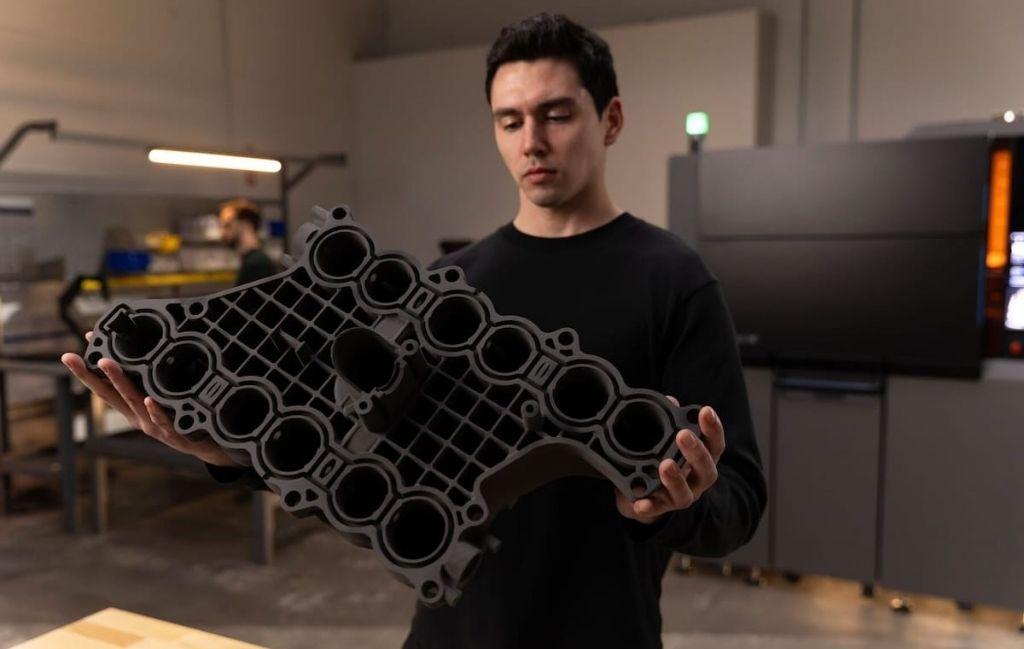
3D printing is not automatically greener than CNC or injection molding. Here is how to decide which process actually wins on waste, energy, and tooling.
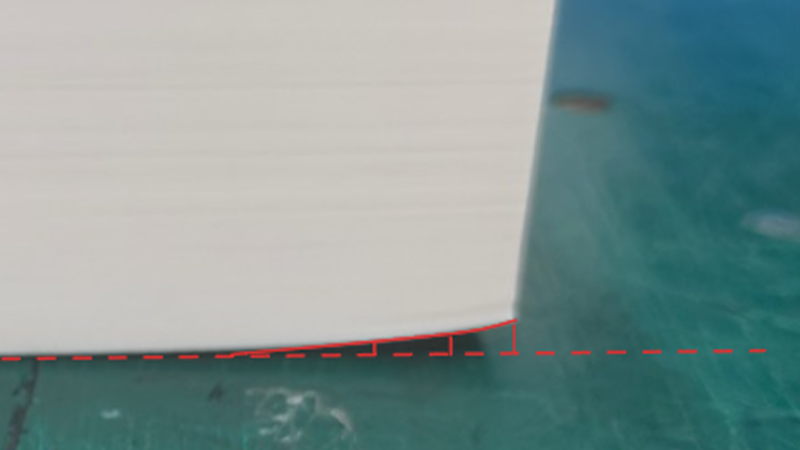
Warping happens when cooling plastic pulls at the edges. Here are practical ways to keep corners down and prints flat.
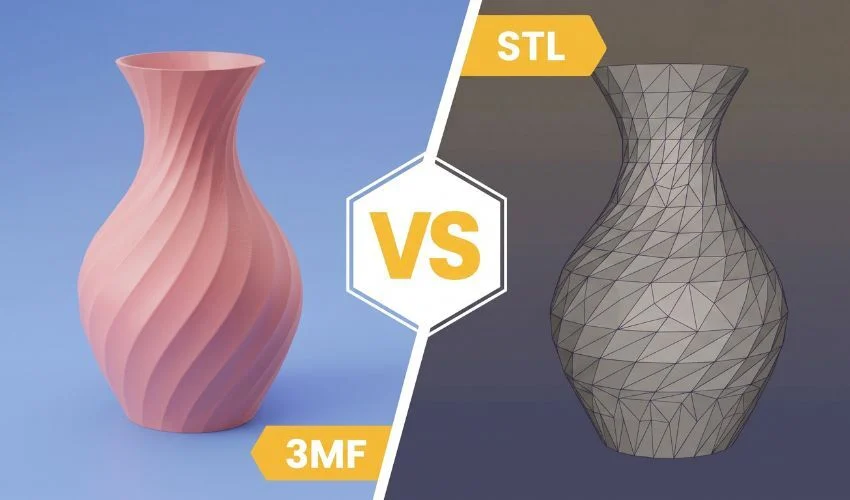
STL stores only geometry as triangles. 3MF adds color, materials, and print settings. Here is when to use each.
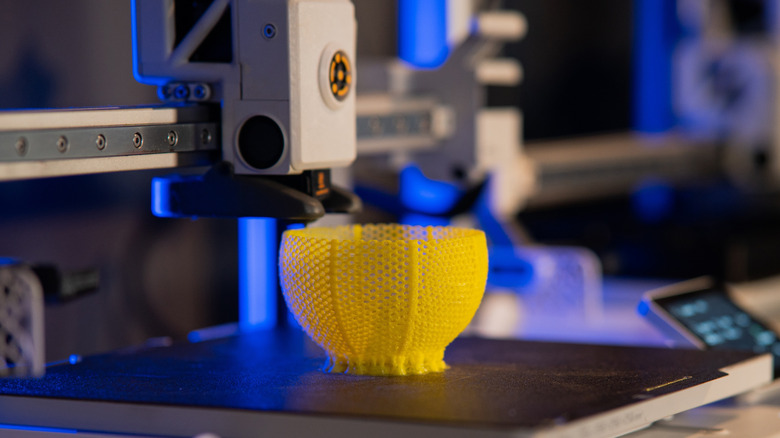
Five distinct 3D printers under $500 that offer multicolor printing, compact designs, or beginner-friendly features.

A 3DPrint.com analysis shows that small, high-value products like glasses frames have far better economics than large items like braces, and the same principle applies to any 3D printing startup.
PETG prints easier than ABS, handles more heat than PLA, and costs about the same. Here is when it makes sense to switch.
PETG prints easier than ABS, handles more heat than PLA, and costs about the same. Here is when it makes sense to switch.
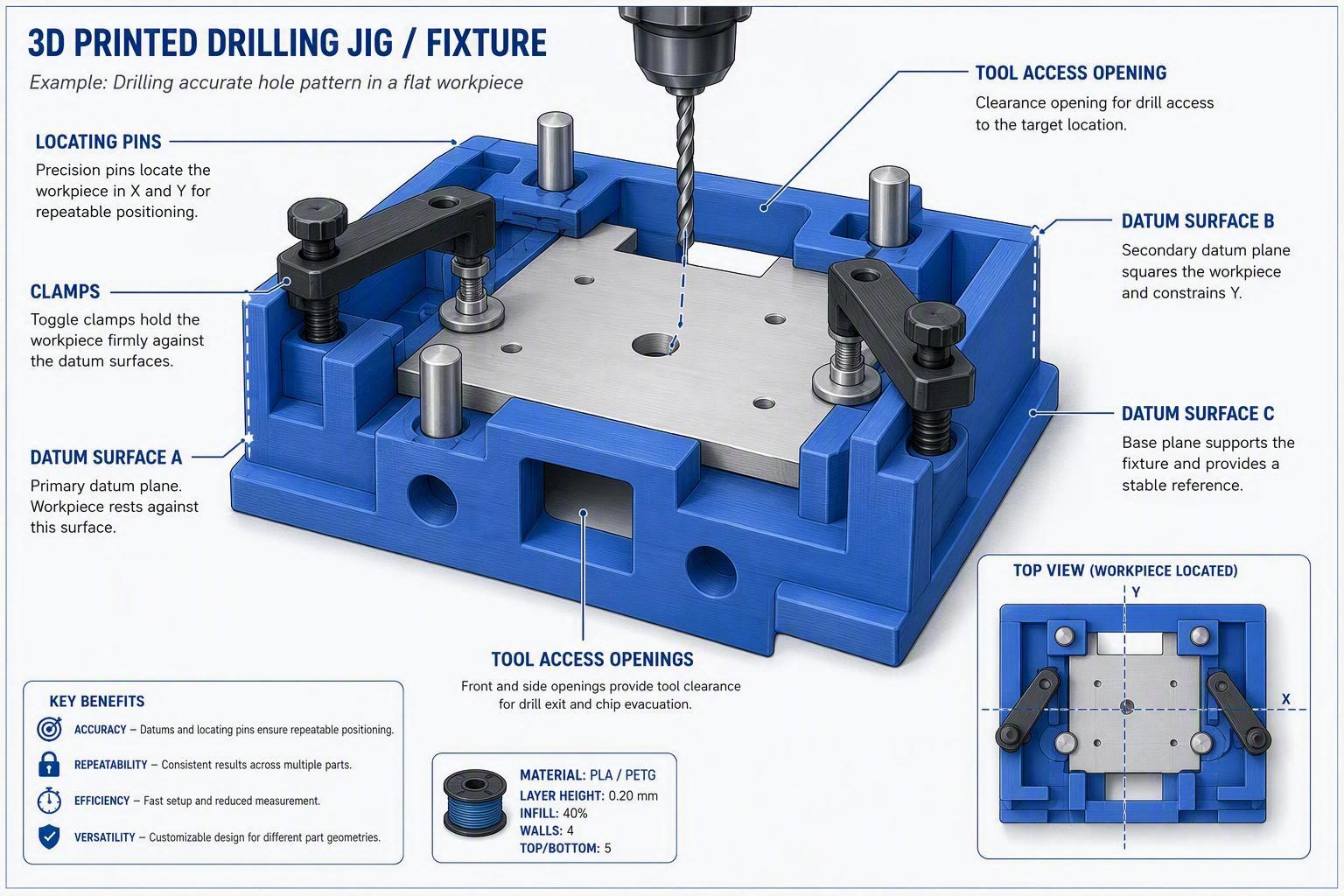
A good printed jig holds a part in the same position every time. Here is what you need to design one that lasts.
Additive manufacturing costs more than traditional methods in most cases. Here is how to find the cases where it actually makes economic sense.
Polycarbonate is the strongest common FDM filament, but it demands an enclosure, high heat, and bone-dry filament to behave.
Polycarbonate prints stronger and hotter than ABS or PETG, but demands an enclosure, an all-metal hotend, and careful moisture management to avoid failed prints.
Slant 3D's Portals platform prints, packs, and ships your designs so creators can sell without owning a single printer.
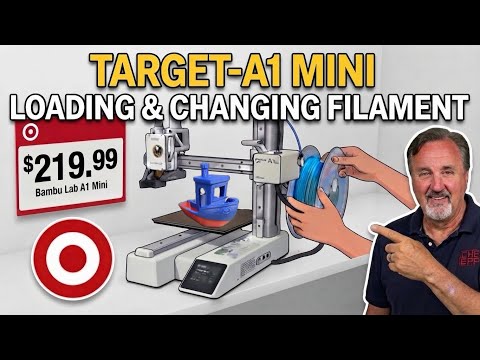
Chuck from CHEP shows how to pull off two-color 3D prints on the A1 Mini using only a filament change, no extra hardware required.
A free virtual summit on October 21 brings together surgeons, hospital leaders, and additive manufacturing experts to tackle the real barriers to medical 3D printing adoption.
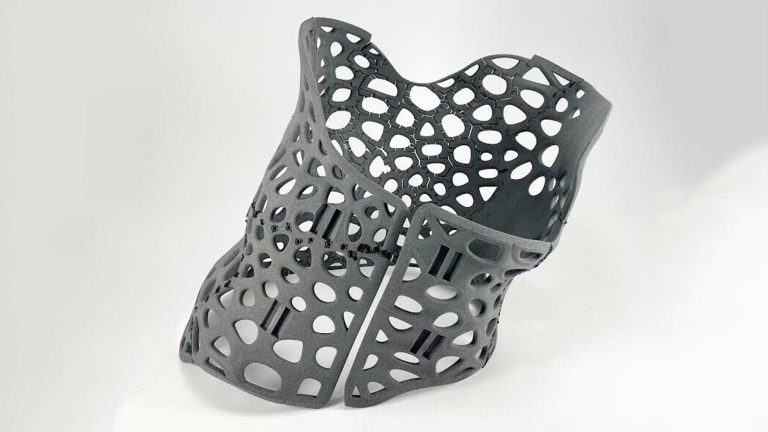
A 3D printing economics breakdown shows that one extra hour on Saturday and Sunday changes the math more than any equipment upgrade.
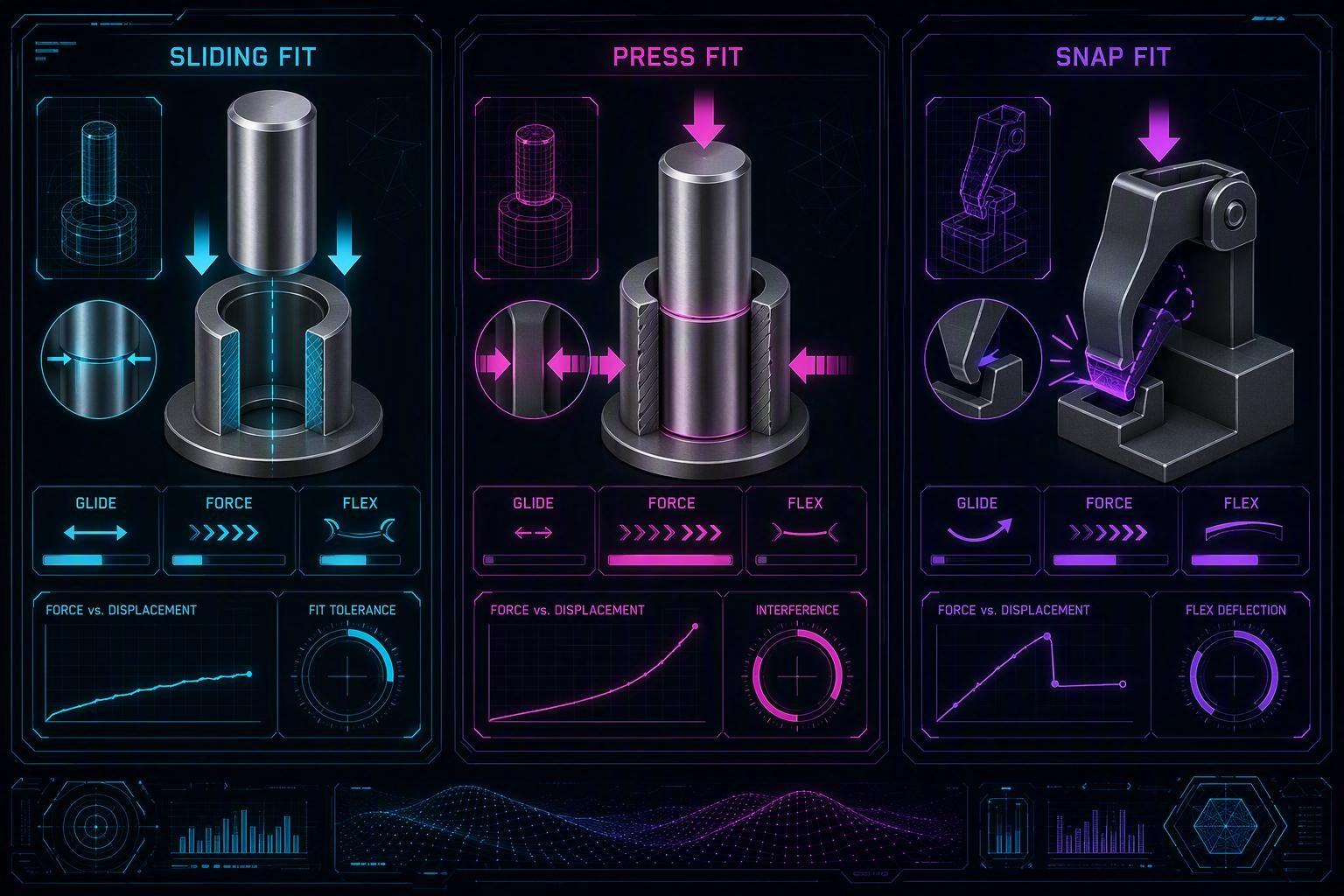
A new guide from Sovol breaks down the clearance numbers, slicer settings, and material quirks that determine whether printed parts assemble or bind.
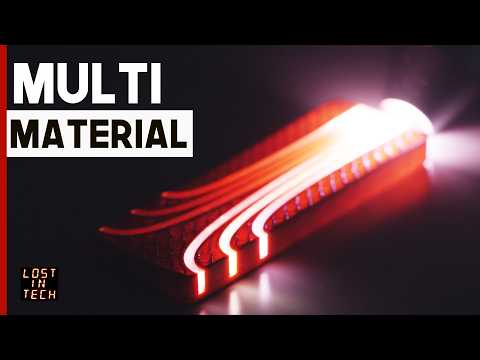
Multi-color prints are fun, but multi-material printing can change how strong, flexible, or functional your parts actually are.
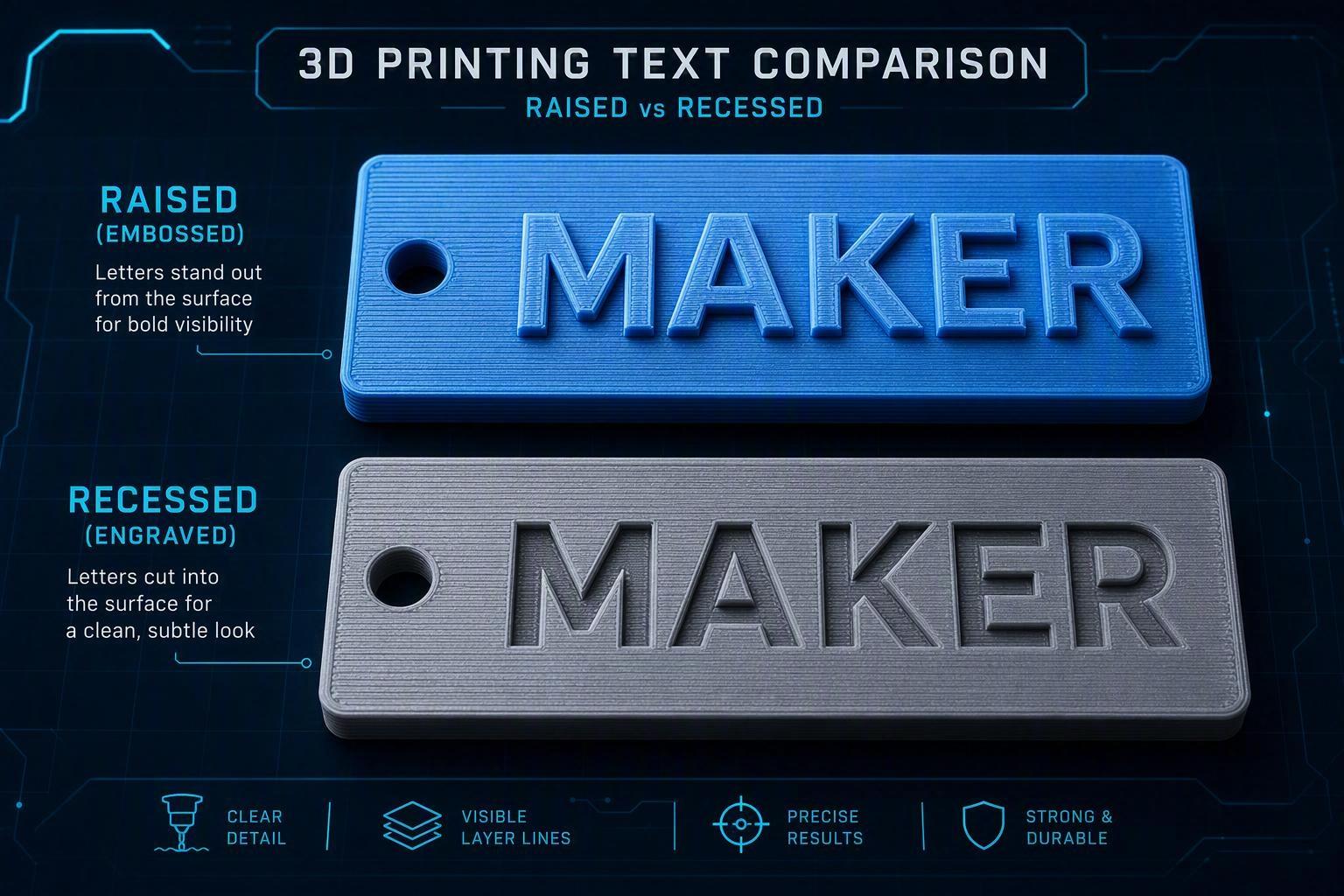
Fuzzy letters and fused logos are common FDM failures. Here is how to design, slice, and orient text so it prints cleanly the first time.
Rheology controls how plastic flows, sticks, and solidifies layer by layer. Here is what that means for your prints.
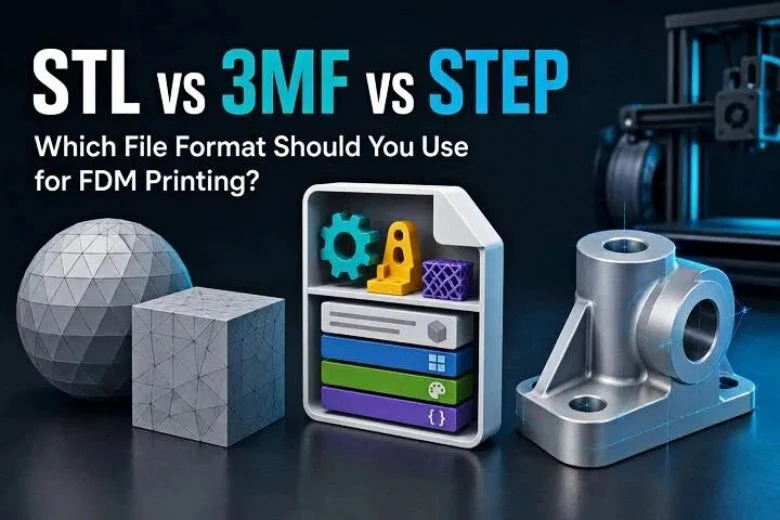
Picking the wrong 3D file format wastes time and filament. Here is when to use STL, 3MF, and STEP for desktop printing.
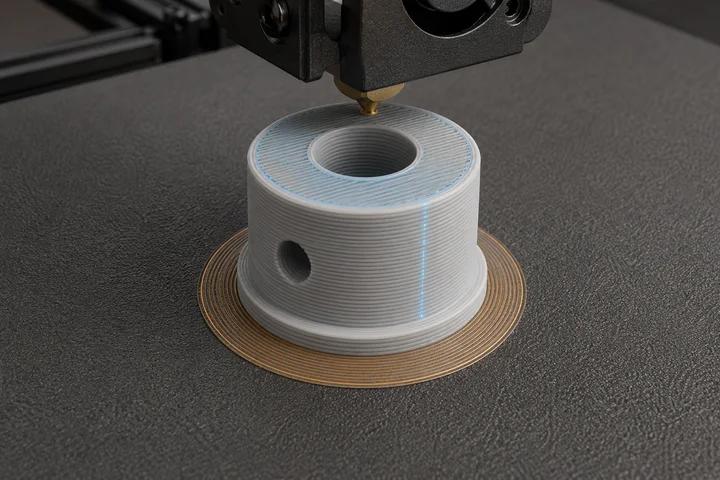
Spending 60 seconds checking your slicer preview before printing can save hours of failed prints and wasted filament. Here is what to look for.
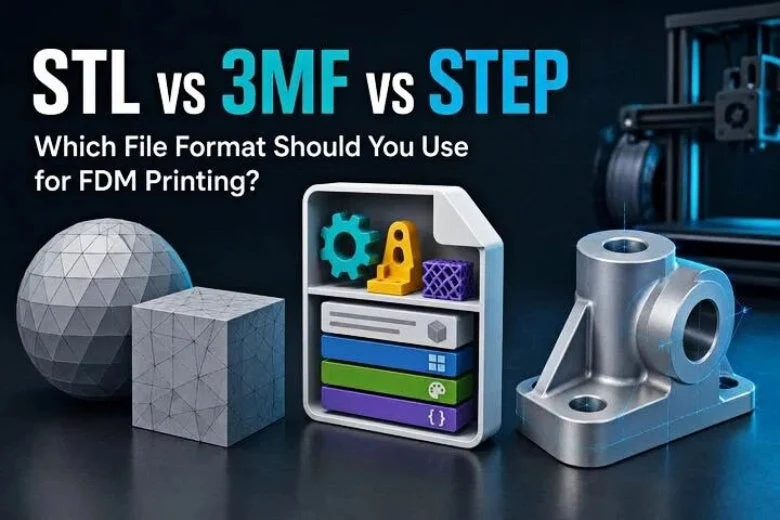
The right file format prevents scaling errors, broken multi-color prints, and wasted filament. Here is when to use STL, 3MF, or STEP for FDM.
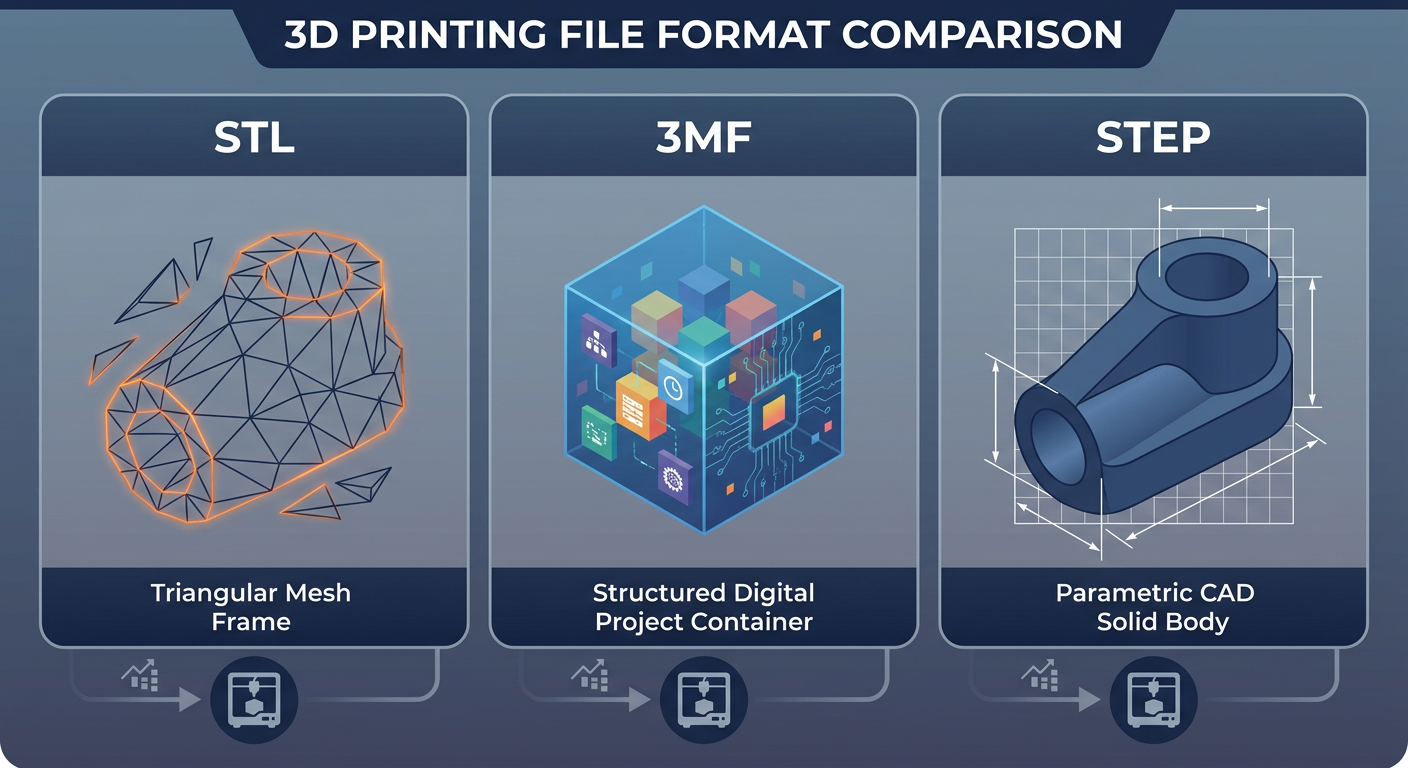
STL works for simple prints, 3MF preserves settings and colors, and STEP lets you edit in CAD. Here is when to use each one.

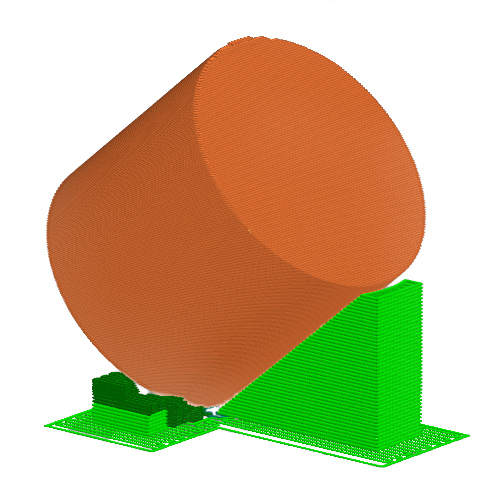
Printing enclosures at an angle with designed-in support fins beats flat and vertical orientations for strength and speed.
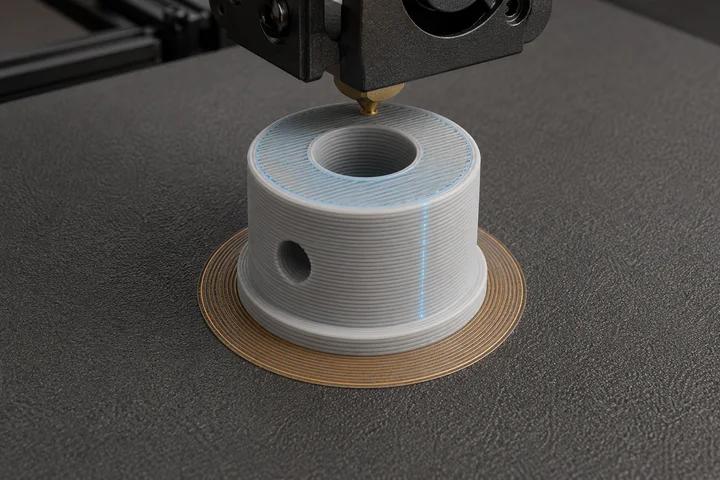
Spending 60 seconds in the preview pane before every print can save you hours of failed prints and wasted filament.

Over 350 exhibitors are heading to Shenzhen next week as desktop 3D printing shifts from hobbyist tool to production infrastructure. Here is what to expect.
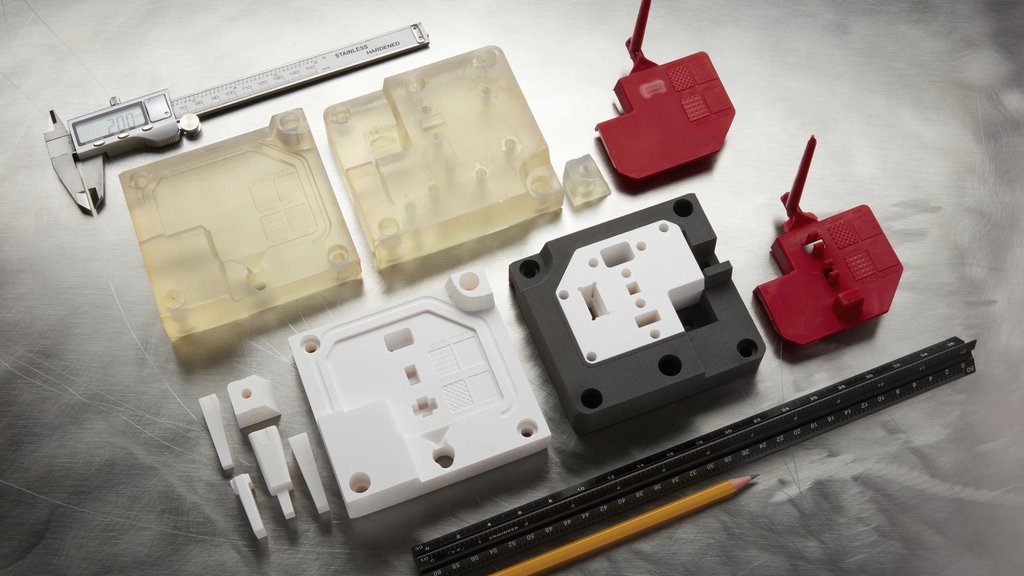
A new study shows 3D-printed injection molds cut tooling costs by up to 90% and lead times from weeks to days, opening low-volume production to shops that could never afford metal tools.
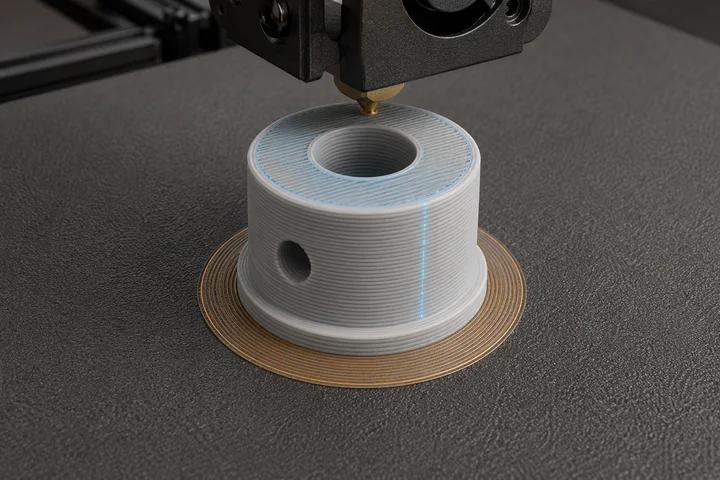
A five-minute slicer preview check before every print catches bed contact issues, overhang gaps, and support failures that would otherwise waste hours and filament.
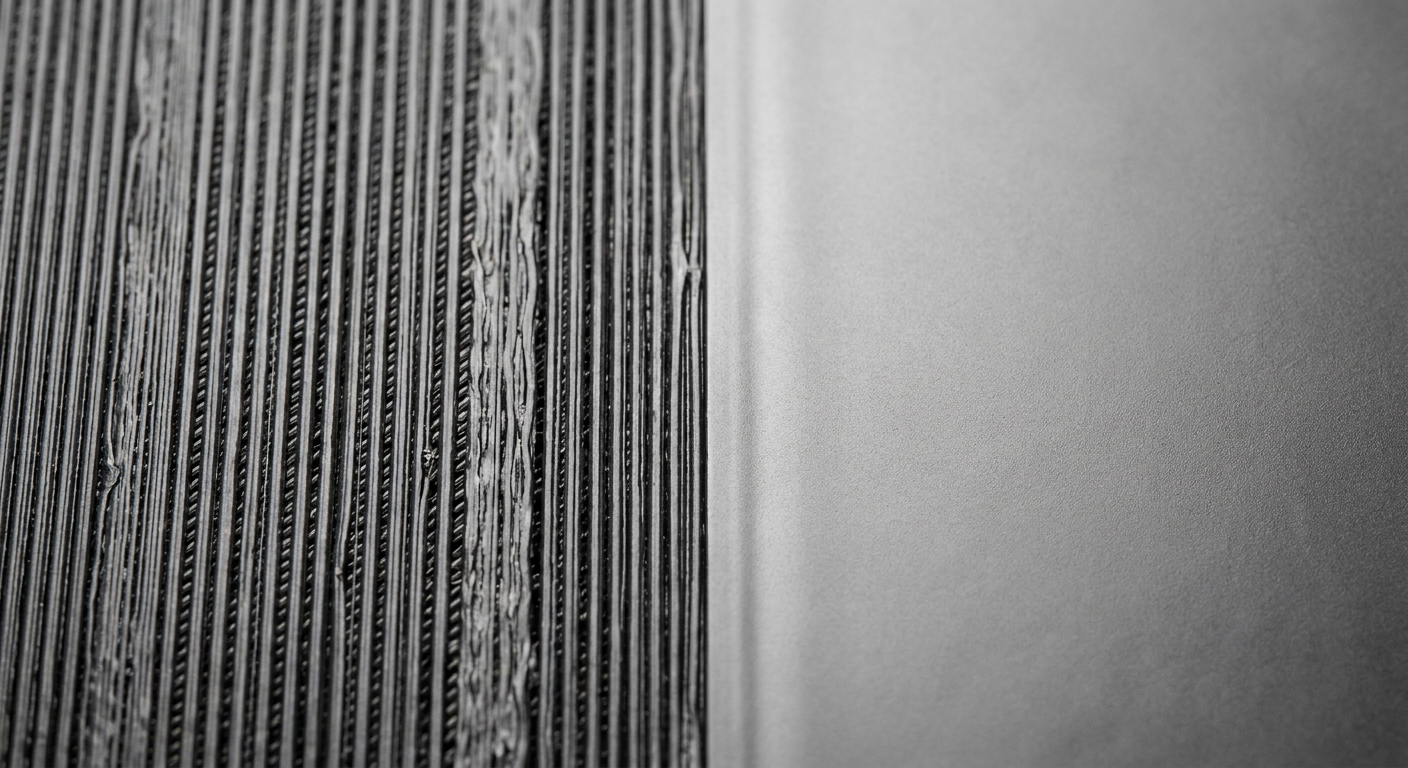
Sovol's new guide breaks down the three slicer settings that matter for ironing, plus material-specific tweaks for PLA, PETG, and ABS.
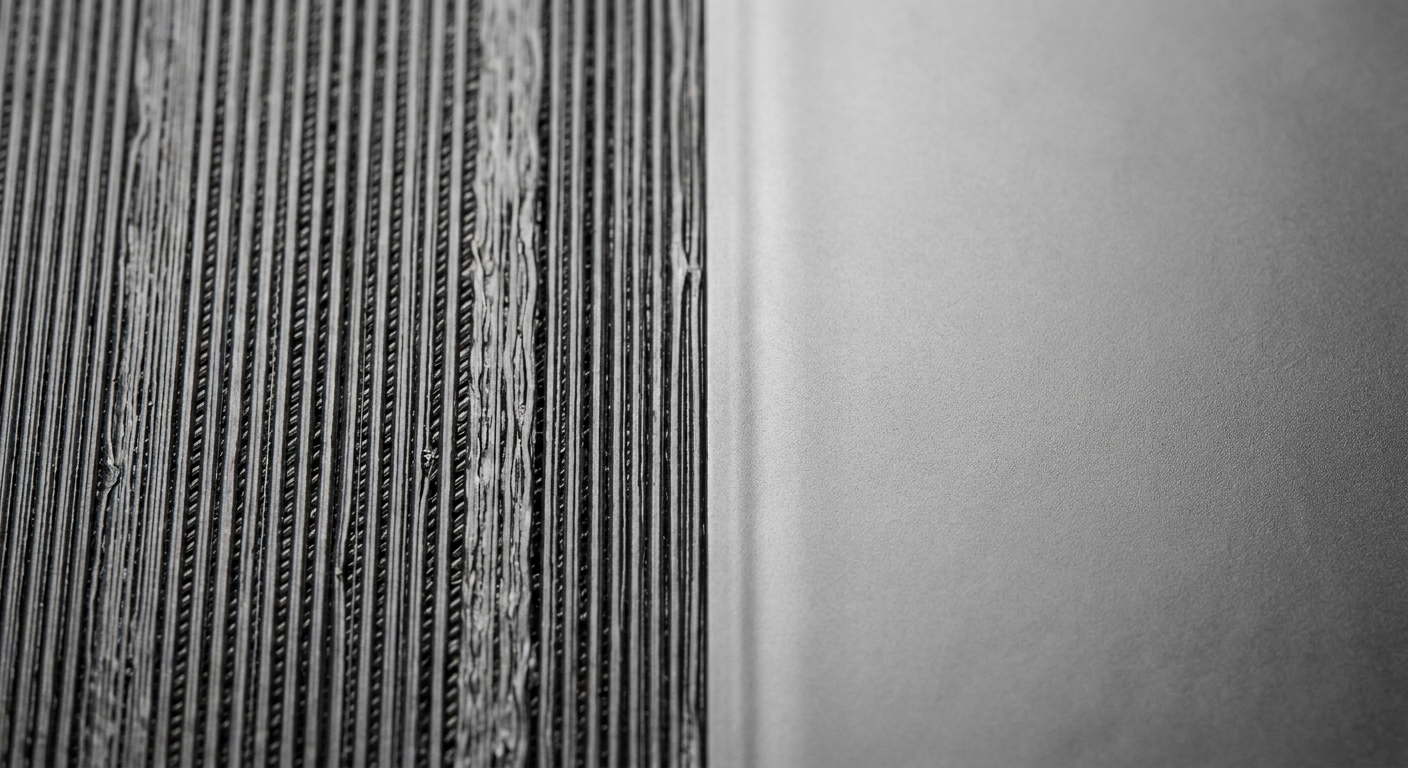
Ironing is a slicer feature that adds a low-flow finishing pass to flat top layers, reducing ridges without changing part dimensions.
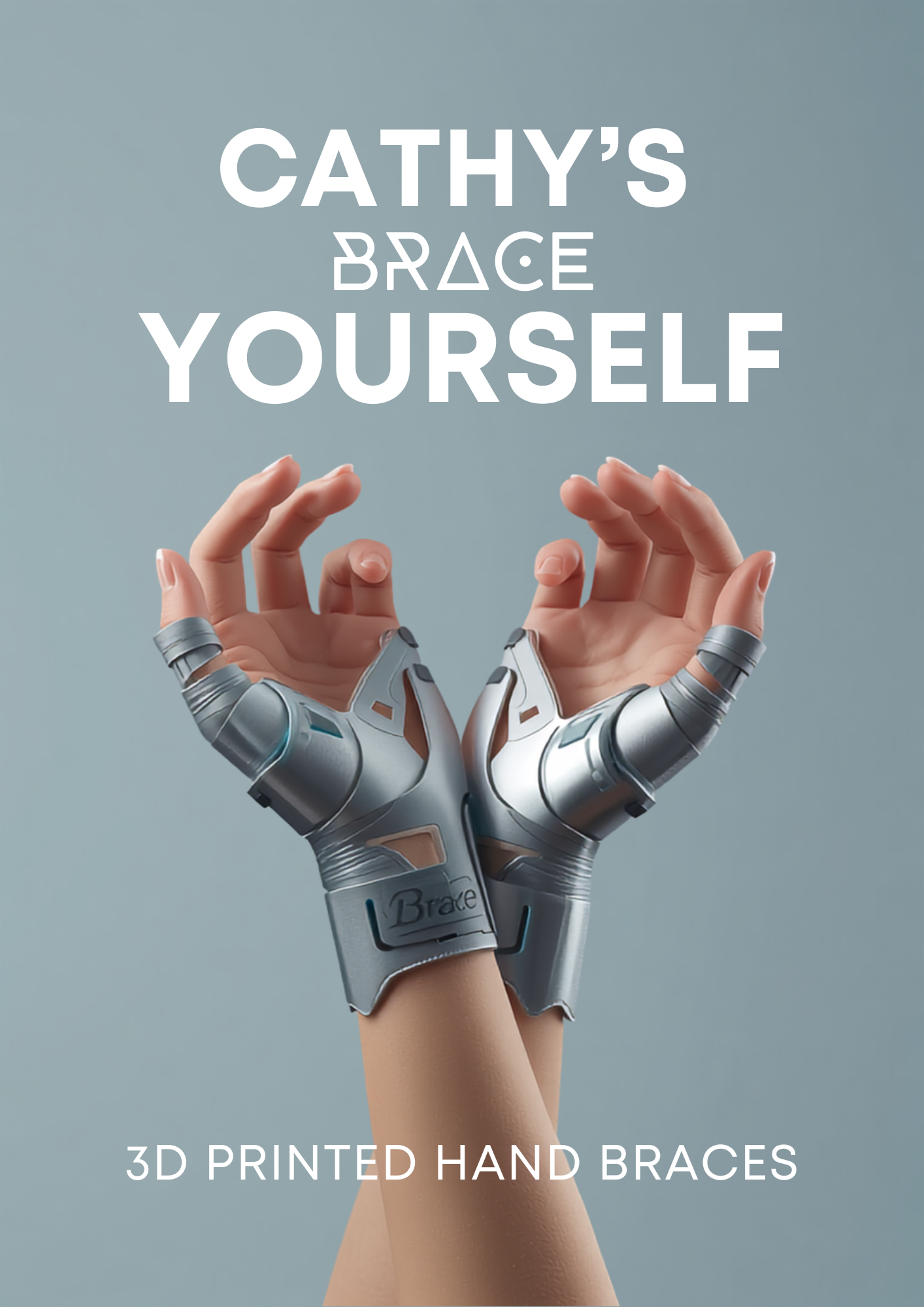
A new series on 3DPrint.com breaks down the real cost of running an additive manufacturing business, from powder costs to machine utilization.
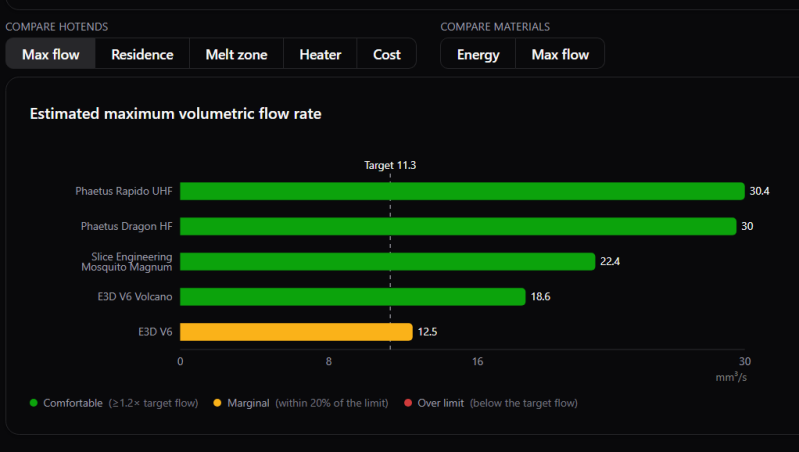
A new open database compares 64 hot ends and 36 filaments to show realistic flow rates instead of the optimistic numbers makers often quote.
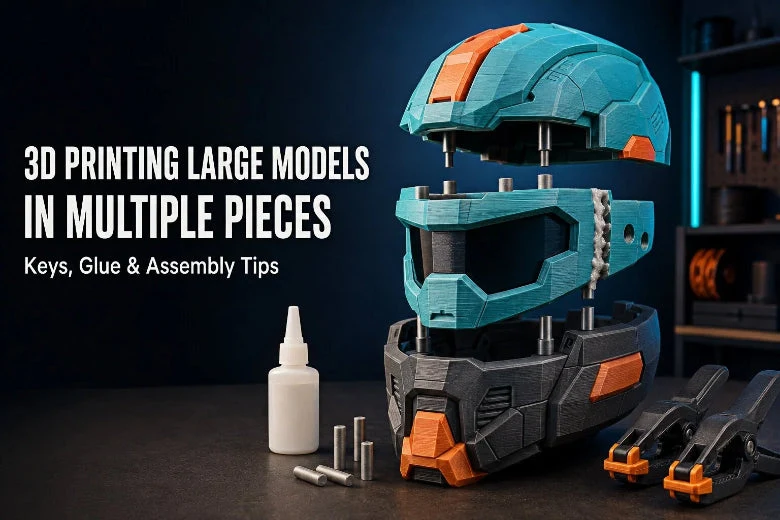
Sovol's latest guide explains how to divide oversized prints into interlocking pieces, choose adhesives, and hide seams for a clean final assembly.

A new video comparison of eight polycarbonate-carbon fiber filaments finds clear winners for stiffness, heat resistance, and ease of printing.

From $10 bead dispensers to custom MRI coils, researchers are building their own lab equipment with cheap desktop 3D printers instead of waiting for commercial shipments.
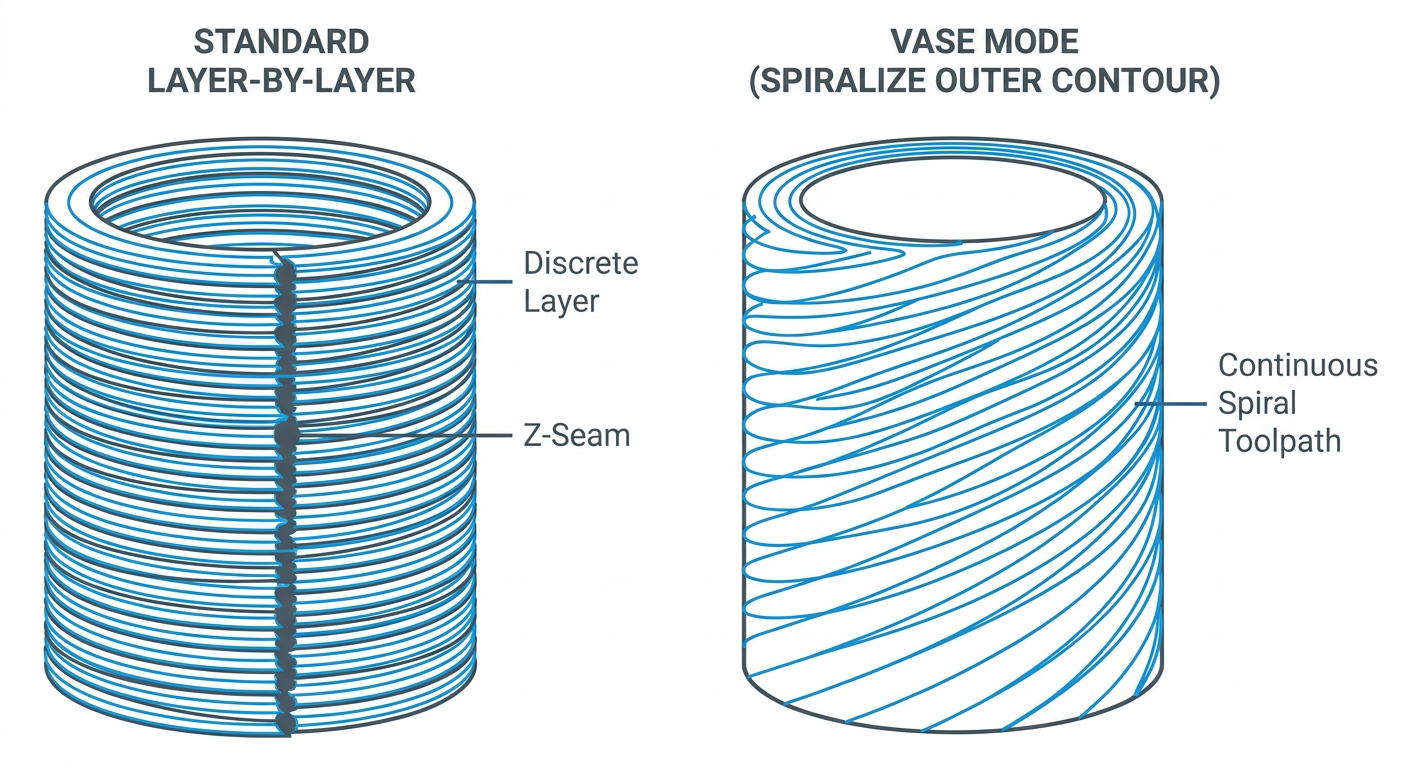
Vase mode is fast and looks clean, but it is not a universal solution for thin parts. Here is when to use it and when to stick with multi-wall perimeters instead.
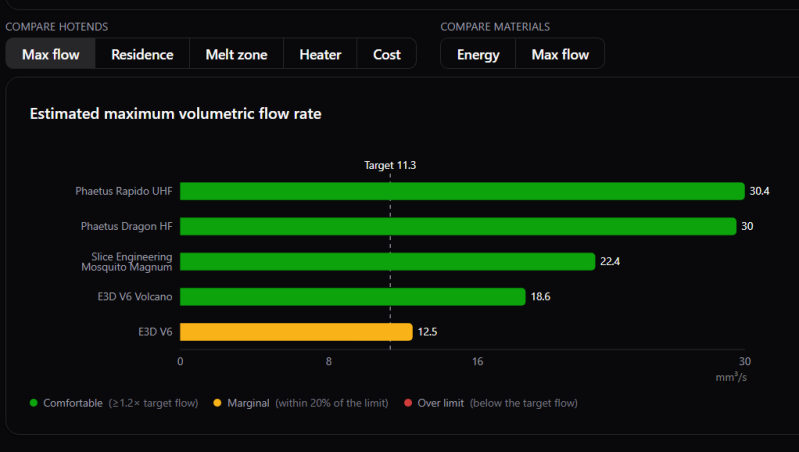
MeltCalc collates thermodynamic data for 64 hot ends and 36 filaments, replacing optimistic marketing specs with realistic flow rate estimates.
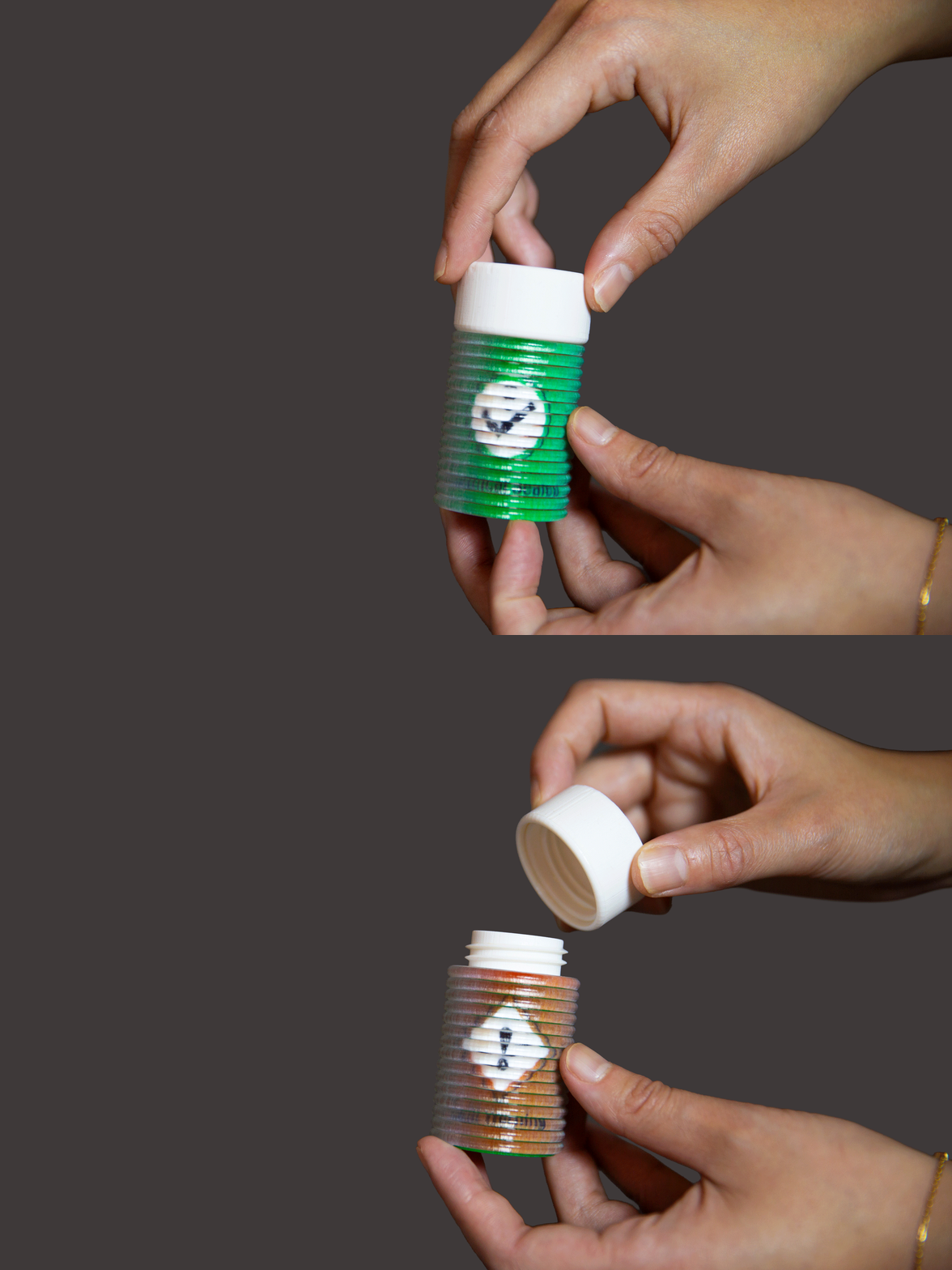
MIT researchers built a system that 3D-prints interactive objects with mechanically switchable surfaces. No batteries, no circuits, no screens required.

AI can turn a text prompt into a printable 3D model in under a minute. Here are the tools that actually work for makers, plus the honest catch none of them mention.
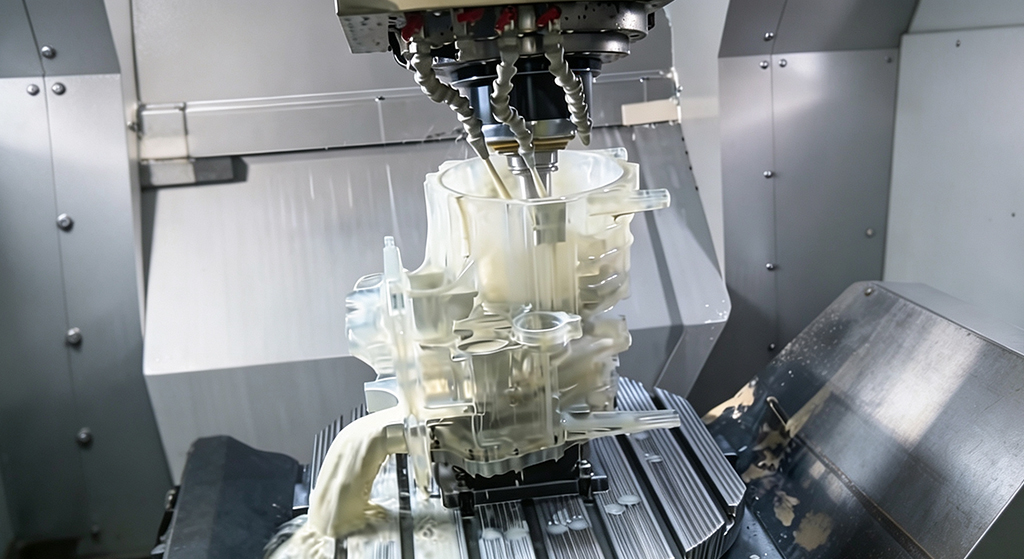
Combining additive and subtractive processes lets teams print near-net shapes then finish critical surfaces to tight tolerances.

AI can turn a text prompt into an STL file in minutes, but not every generator produces models worth printing.
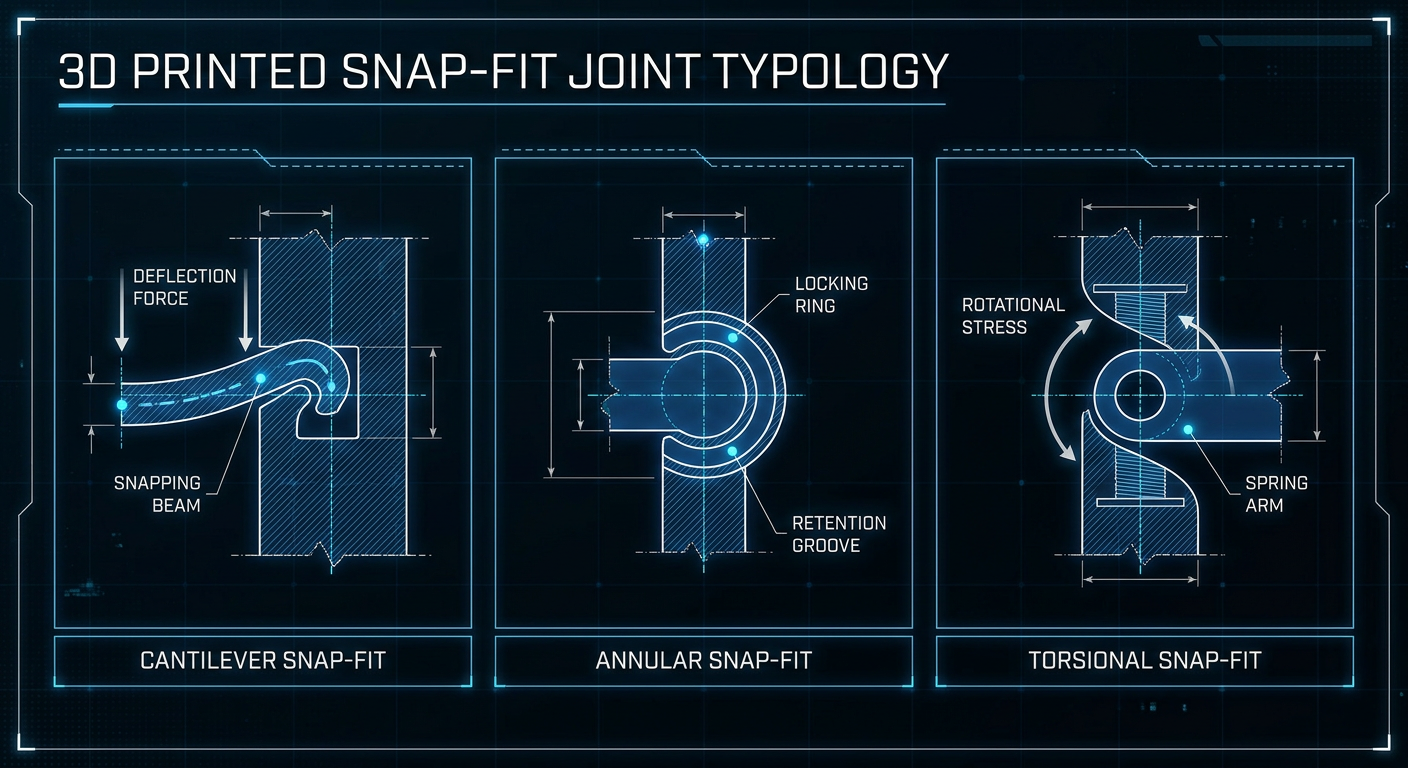
Most 3D-printed clips fail at the root. Here is how to size cantilever arms, add fillets, and pick the right filament so your parts click together and stay locked.

Selective Laser Sintering uses a laser to fuse powder into functional nylon parts without support structures. Here is when it is the right choice.

Custom pet feeders are popular maker projects, but material choice and hygiene design determine whether they survive real use.

Selective Laser Sintering prints functional nylon parts without supports, but it is not the right tool for every job.

From Thingiverse to Printables, these are the best places to find free STL files for your next 3D printing project.
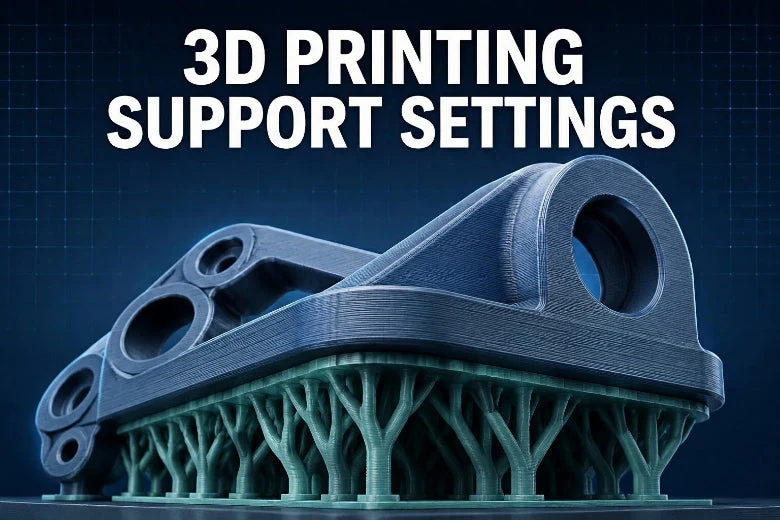
The right slicer settings make support removal painless instead of a nightmare.

A free web tool called MiniSkyline now lets anyone turn a real city, neighborhood, or landscape into a slicer-ready multicolor 3D model in under a minute.
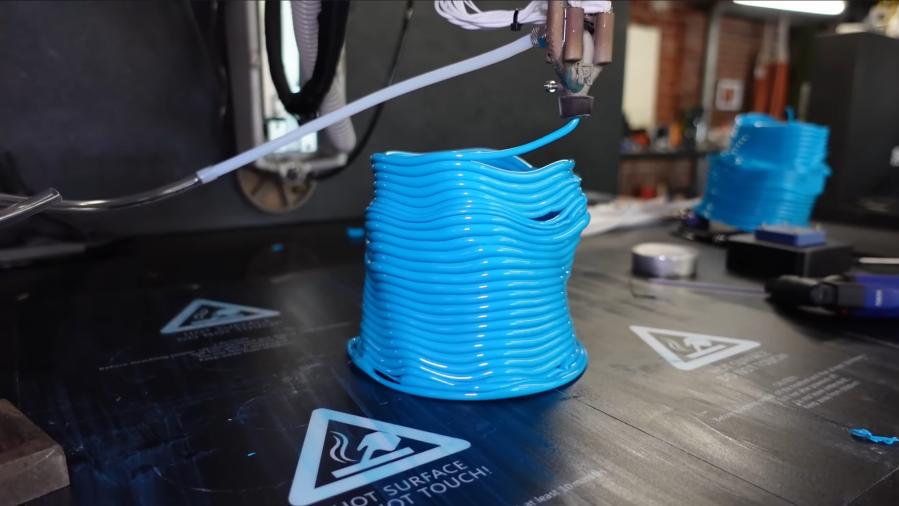
A maker in Germany built a dual-extruder setup that prints plastic tubes filled with compressed air, producing lightweight structures that would otherwise require solid infill.
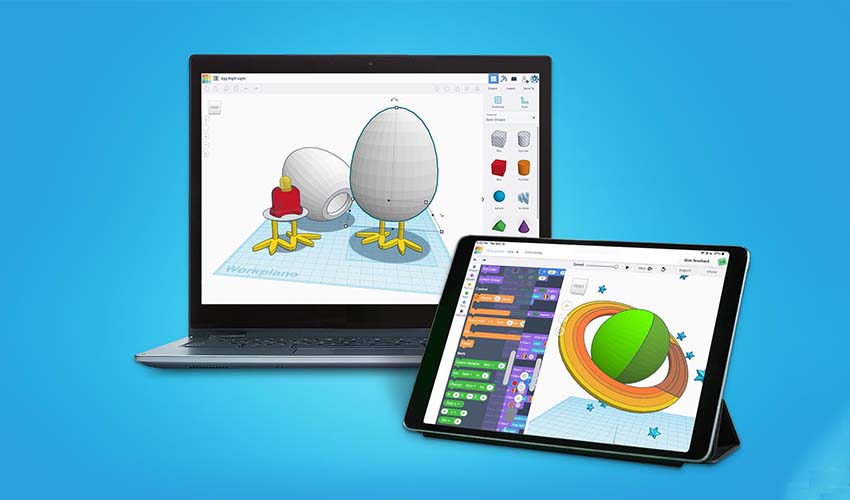
Autodesk's free online CAD tool lets beginners design printable 3D models in minutes, no software install needed.
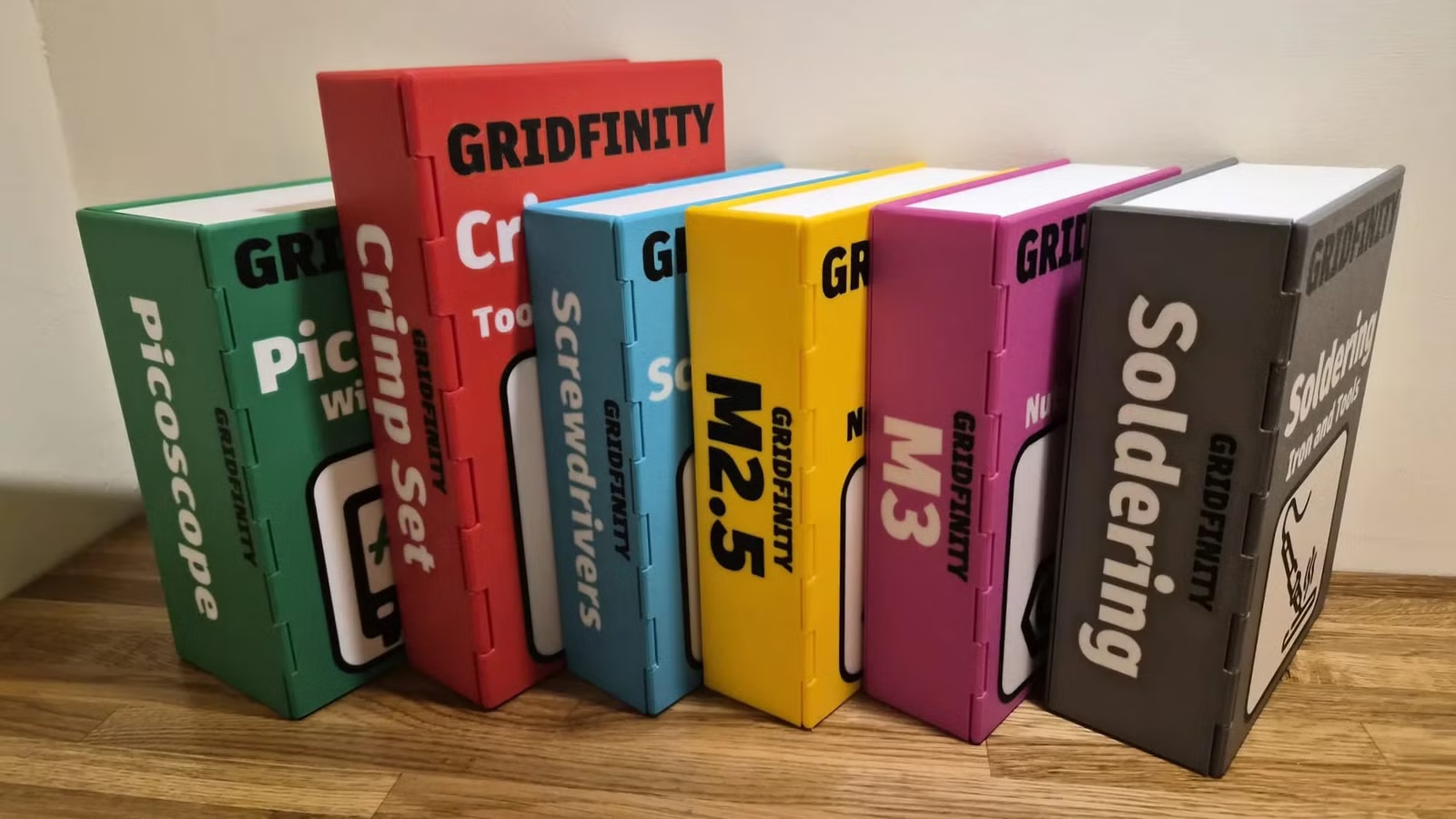
Gridfinity drawers, wall-mounted pegboards, shelf inserts, and cable management hacks are the most useful things you can print.
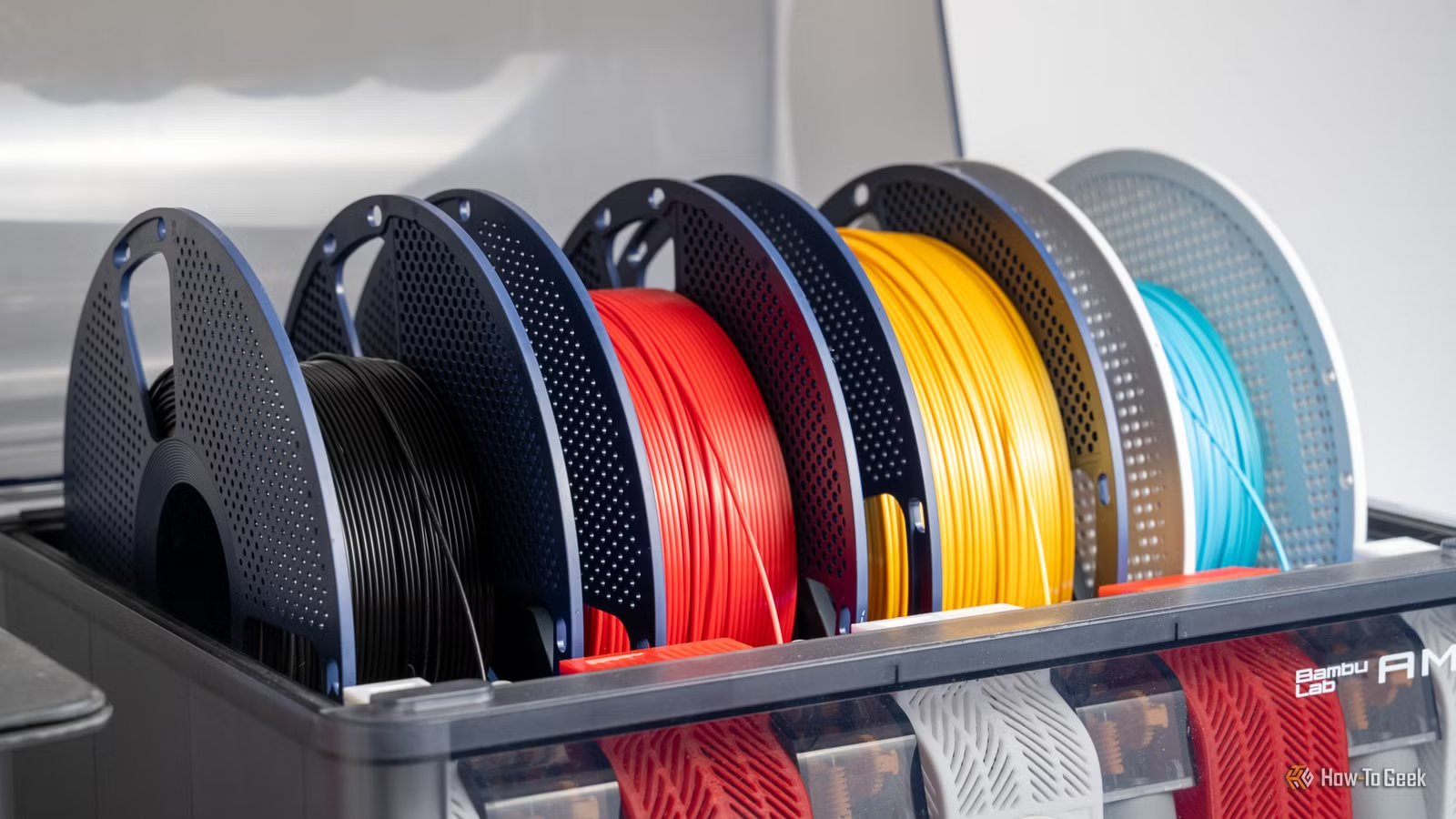
Premium brands like Bambu Lab often source from the same factories as budget labels. A side-by-side test shows you can get identical prints for half the price.
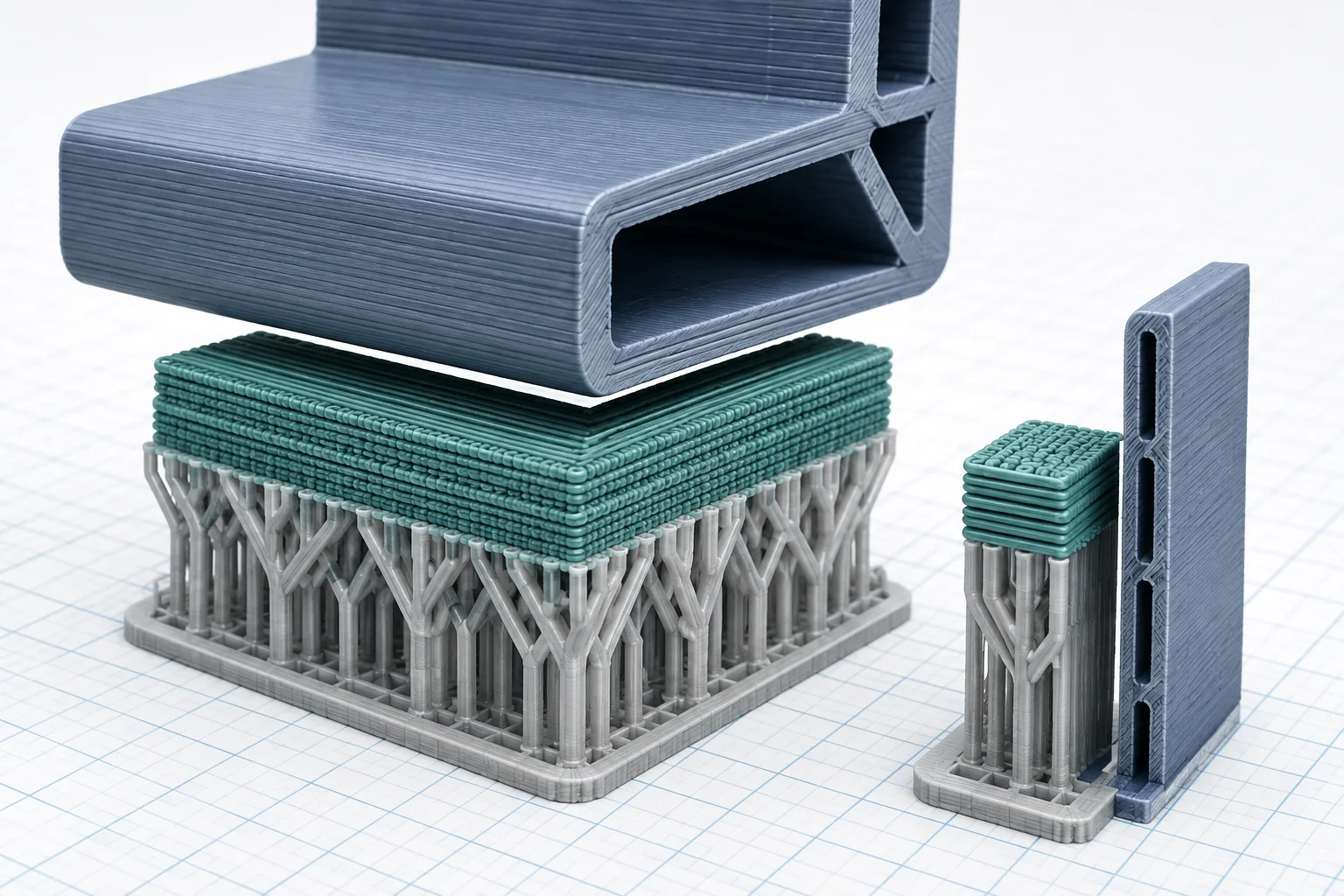
The right slicer settings make support removal almost painless. Here are the exact values to use for PLA, PETG, TPU, and ABS.
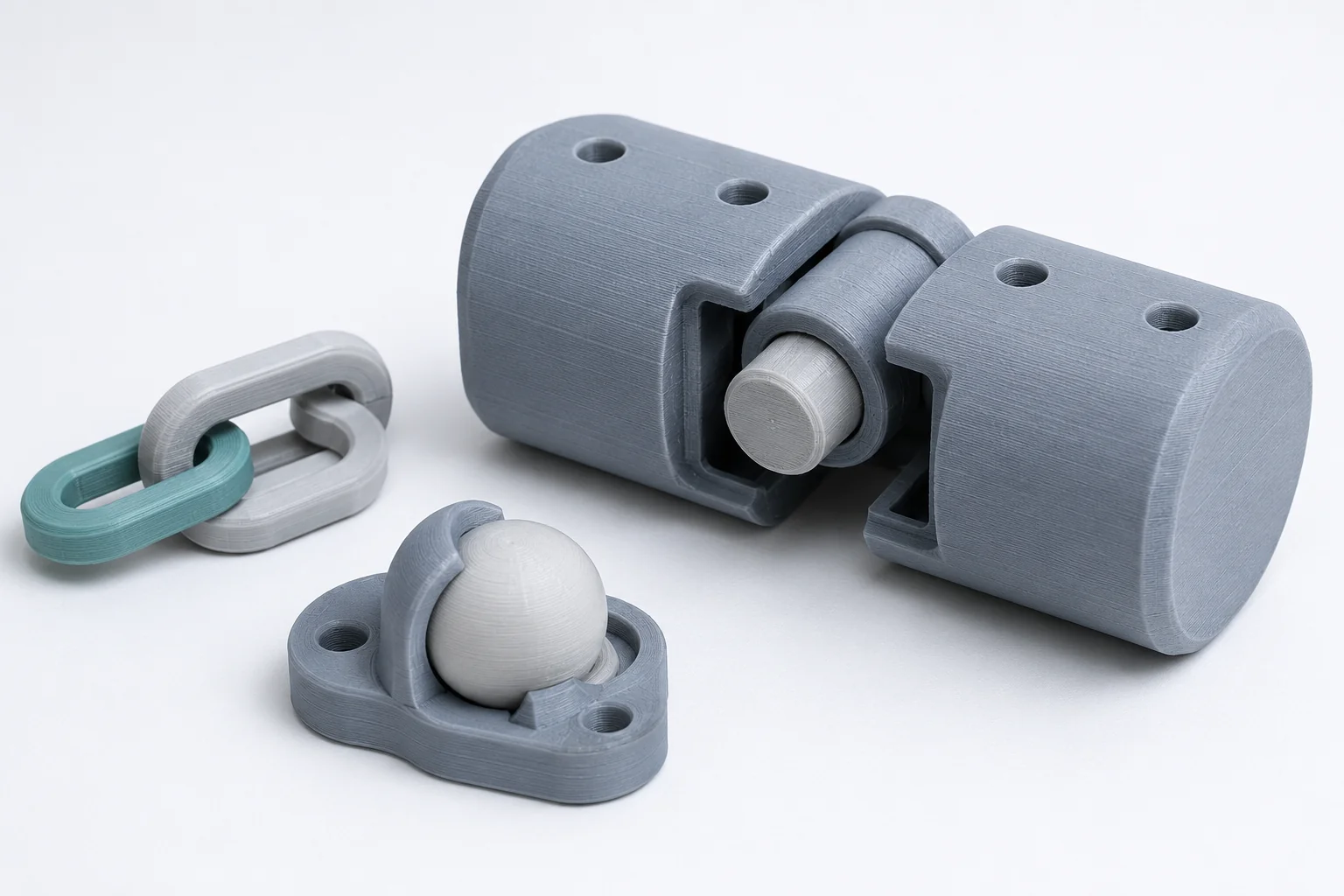
Most print-in-place hinges fuse solid on the first try. The fix is usually clearance, orientation, or slicer settings. Sovol's new guide gives you the exact numbers.

Boom Supersonic is using Stratasys FDM printers to make drill guides for Overture assembly, cutting fixture costs by 92% and shortening lead times.
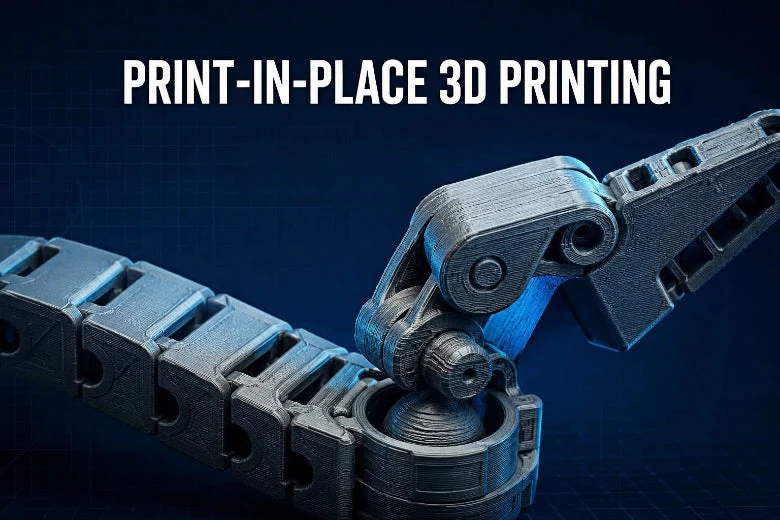
The right clearance values, hinge orientation, and slicer settings determine whether a print-in-place mechanism comes off the bed ready to move or fused solid.

Instead of restoring two damaged Adirondack chairs, a maker used 3D printing and CAD to build improved versions from the originals.

Most 3D printed parts on an F1 car never see track. The real advantage is in the wind tunnel models, tooling, and brackets that let teams iterate faster than the competition.
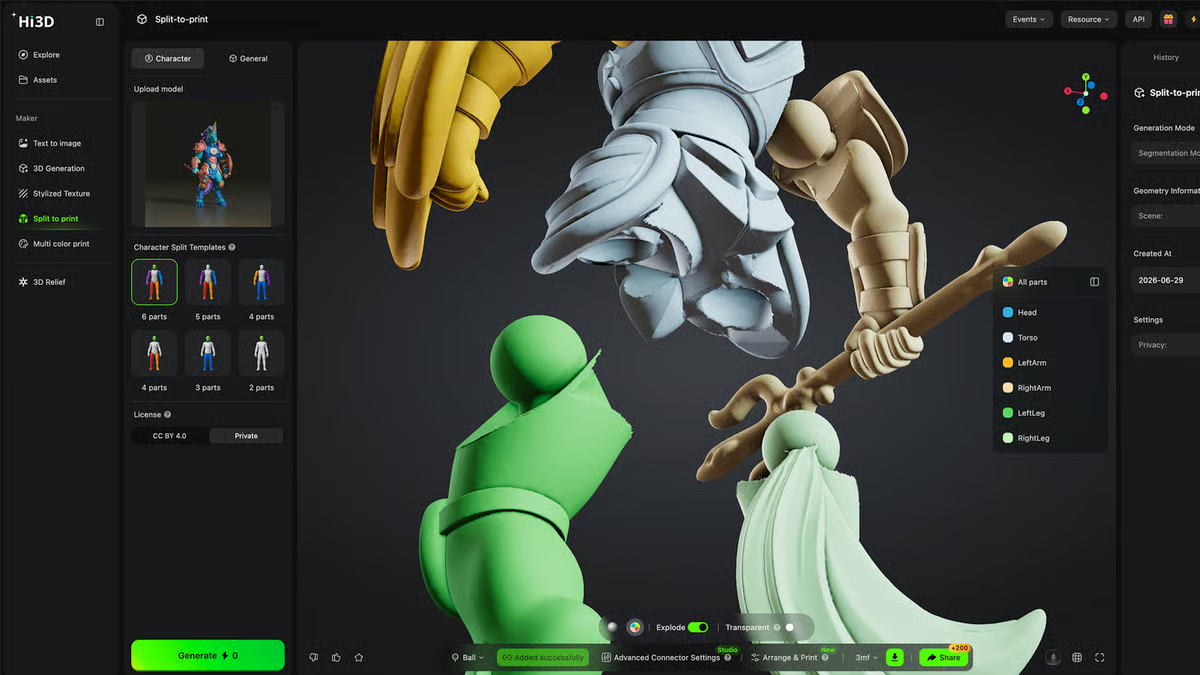
A new beta tool in Hi3D Studio automatically slices AI-generated character models into print-ready parts with ball joints and connectors.
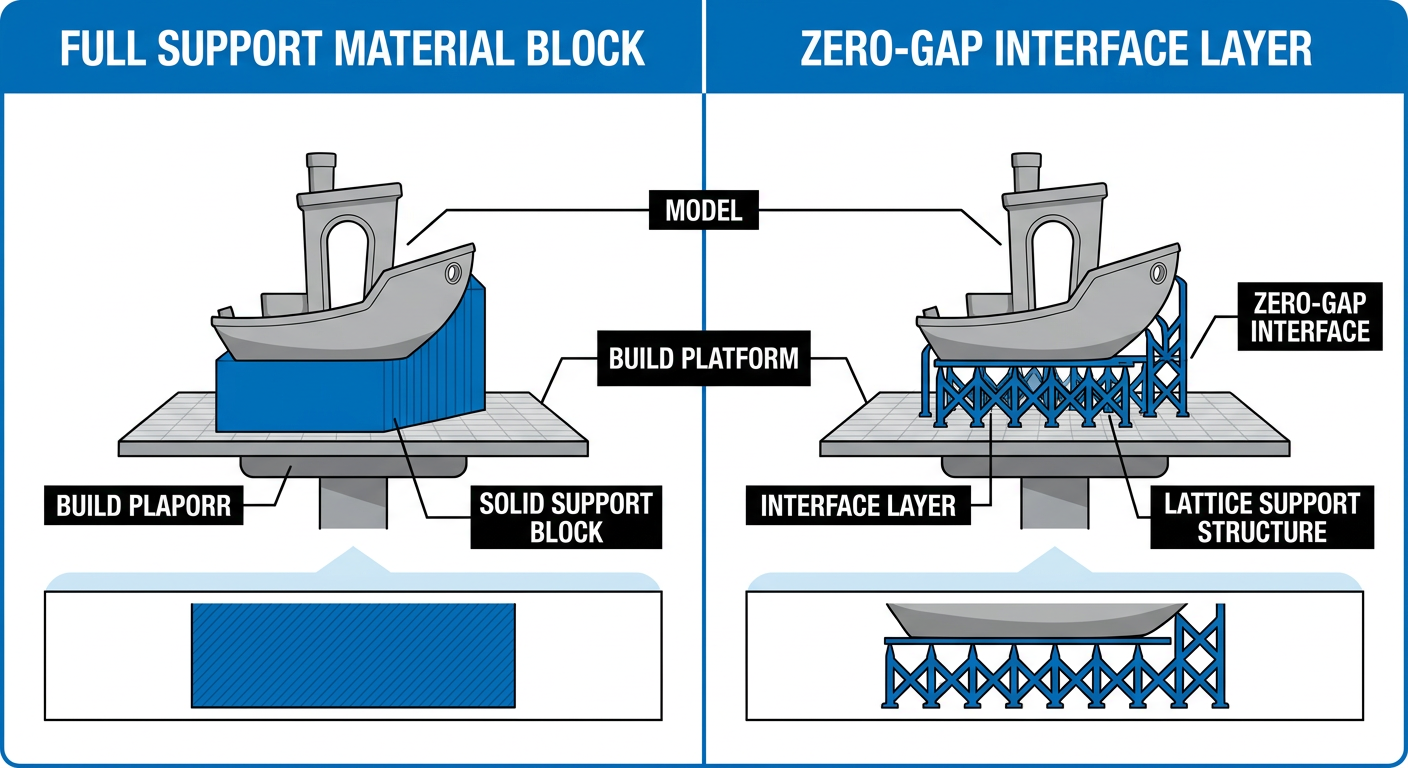
Sovol published a detailed guide to mixing materials on the M1D tool-changer, from PLA and PVA to PETG and TPU, with the thermal rules that actually decide whether a pair will work.
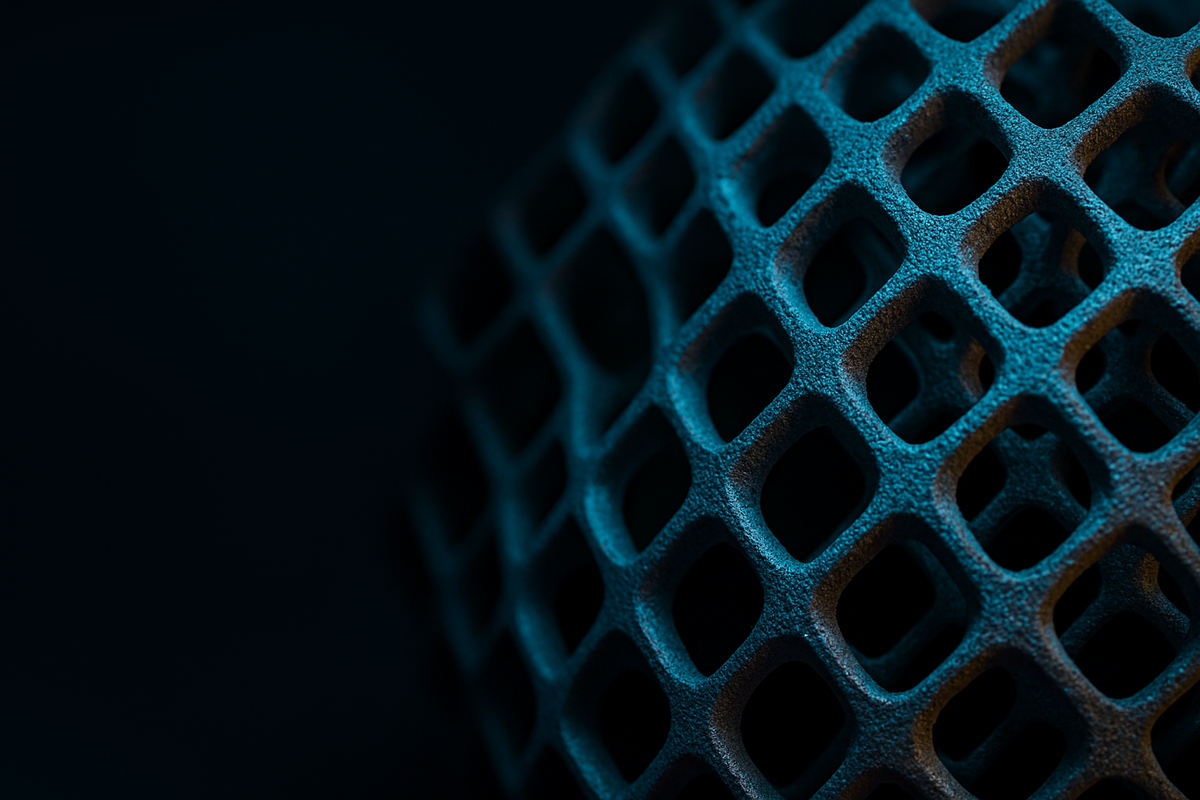
A new ASTM proposal aims to give designers concrete rules for ceramic additive manufacturing, targeting shrinkage and embrittlement problems that have kept the material out of serial production.
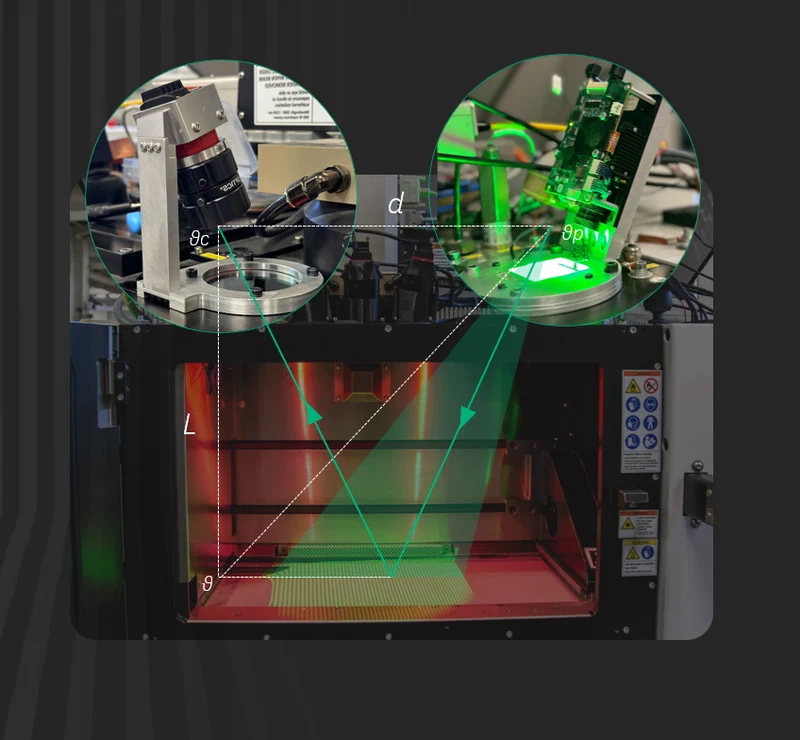
Phase3D's Fringe Inspection system is now running at Rowan University's DEHub, giving students hands-on experience with real-time metal 3D print monitoring.
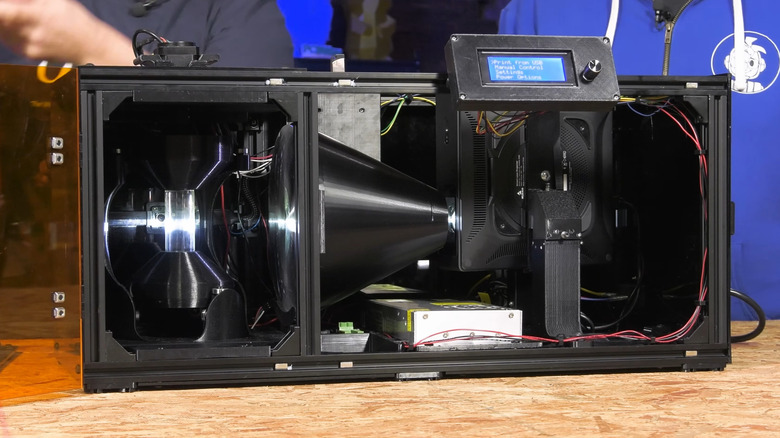
A Berkeley research project turned open-source project lets makers build a volumetric 3D printer for around 1,400 dollars. Parts come out fully formed in 20 seconds, not hours.
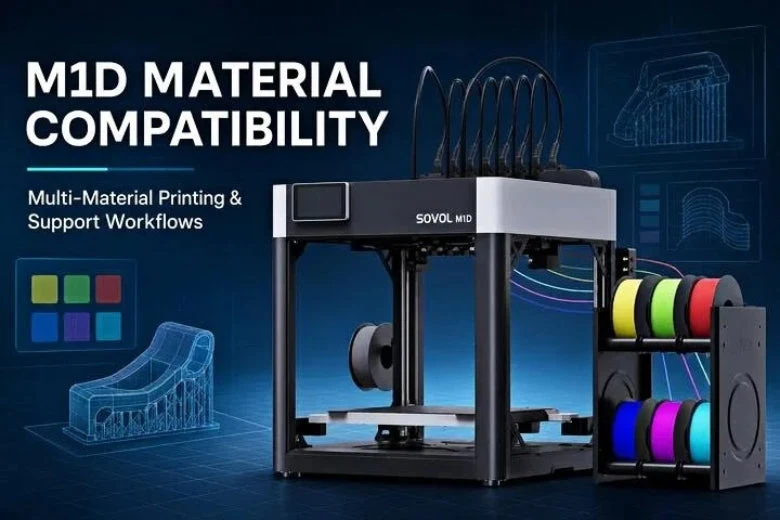
Sovol's new M1D guide explains which filament pairings work on the DualX IDEX tool-changer, and which combinations will waste your time and filament.
Most 3D printer SD card problems come down to formatting, not a broken card. Here is the quick fix.
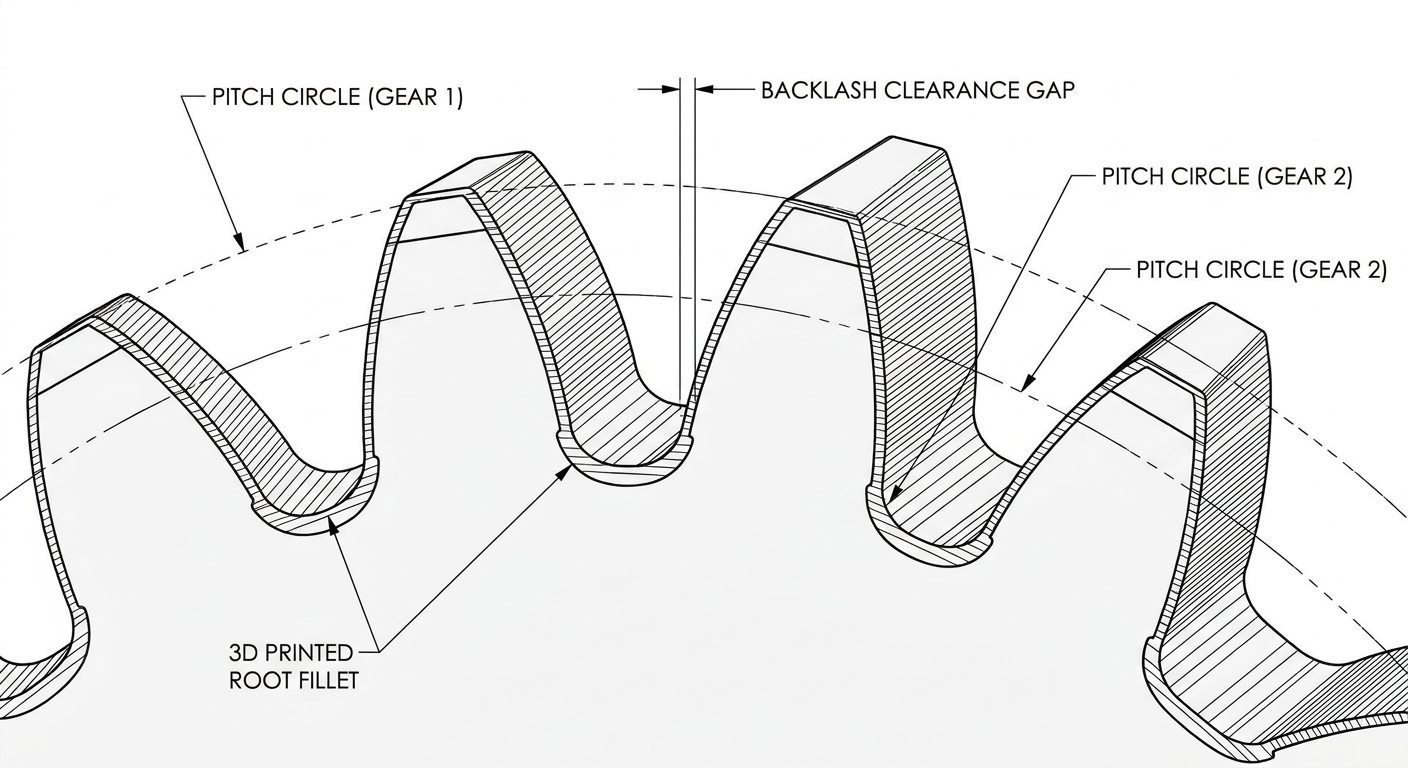
A new Sovol guide breaks down the exact parameters for functional FDM gears: backlash, module size, orientation, and why most printed gear sets fail.
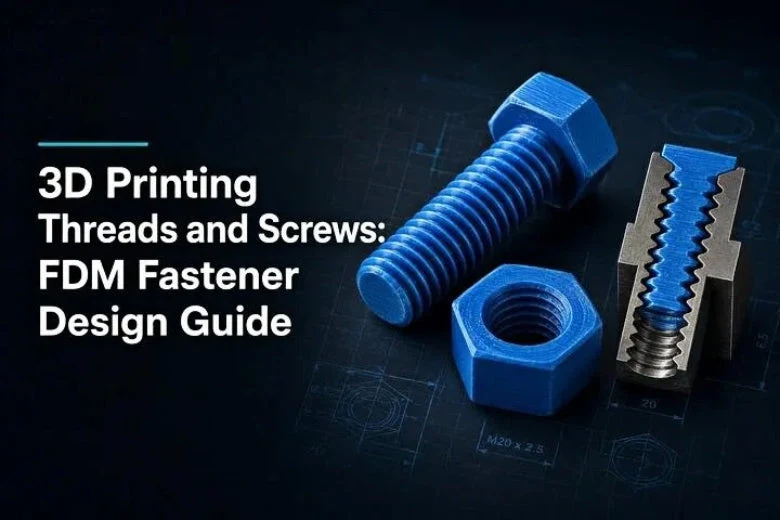
M6 is your safe starting point for direct printed threads. Here is what clearance, orientation, and material choice actually do to thread strength.

Filament Friday host Chuck shows how to wire and program character LCDs from an Arduino using the GCBASIC compiler in this practical walkthrough.

CHEP walks through every built-in GCBASIC command for driving character LCDs from Arduino and AVR boards.
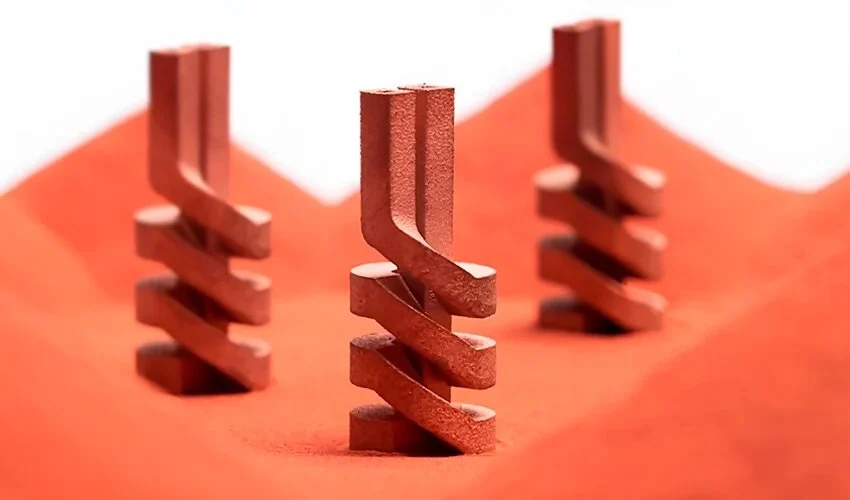
Desktops and industrial machines both offer routes to copper parts now. Here is what each approach costs, what it produces, and where it falls short.
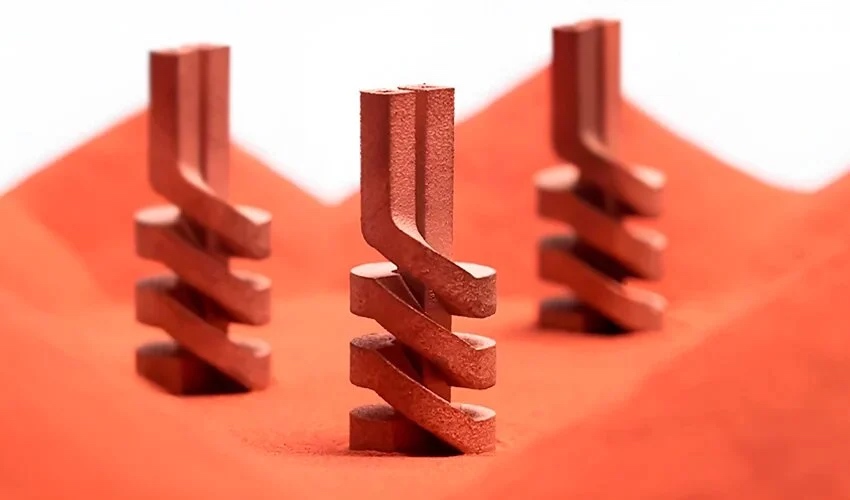
EV manufacturers are turning to copper 3D printing to cut motor weight and squeeze more power into the same package.
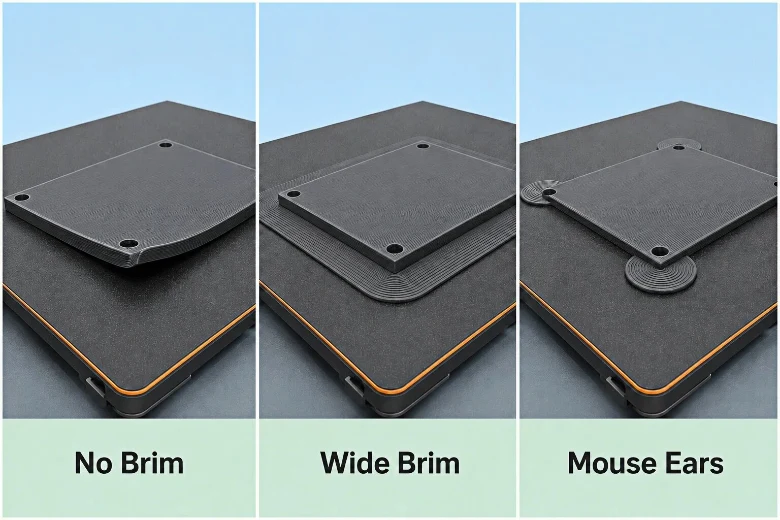
Large ABS and ASA prints fail when they cool unevenly. The fix starts with dry filament, the right bed temperature, and a draft-free enclosure.
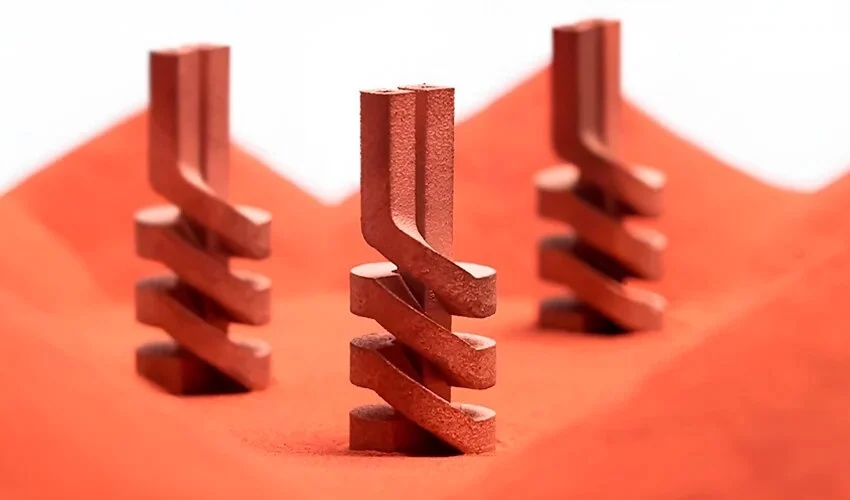
Pure copper parts are hard to print but increasingly common. Here are the processes, alloys, and post-processing steps that make them possible.

From spare parts to prosthetics, a practical look at the objects people print at home and in industry.
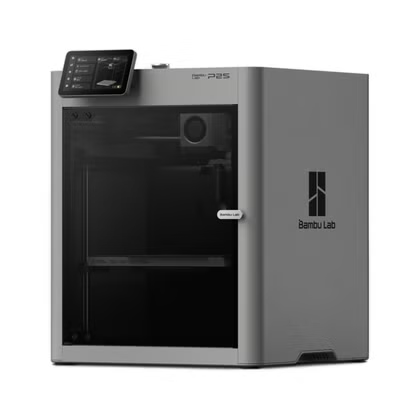
Three brands dominate consumer 3D printing. Here is where Bambu Lab, Creality, and Prusa each earn their spot.

Kit cards started as novelty business cards. Now they are small, print-in-place model kits you snap together in minutes.
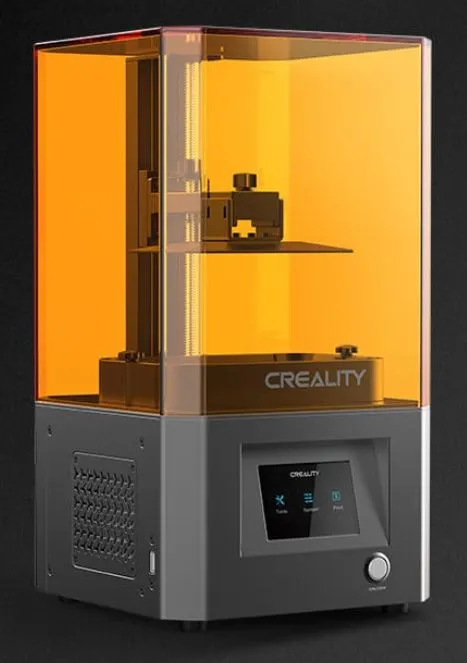
If you walked away from resin printing a few years ago, the newer printers fix most of what annoyed you.

Creality's pocket scanner weighs 260g, hits 0.03mm accuracy, and leans on AI to fill holes and finish scans. Here is what it actually does.
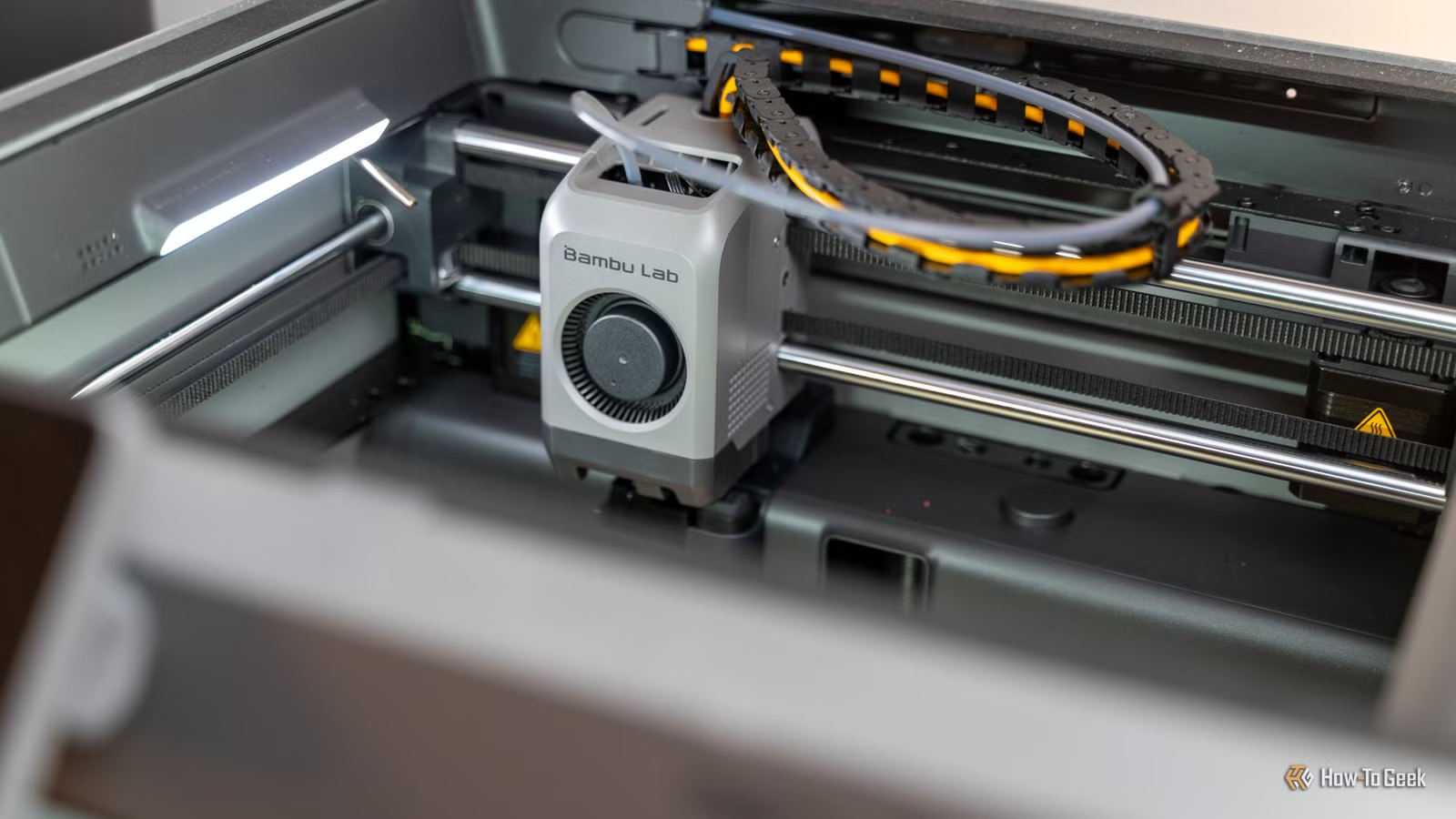
Thingiverse has not been the best place to find prints for years. MakerWorld, Cults3D, and Thangs each do the job better, for different reasons.
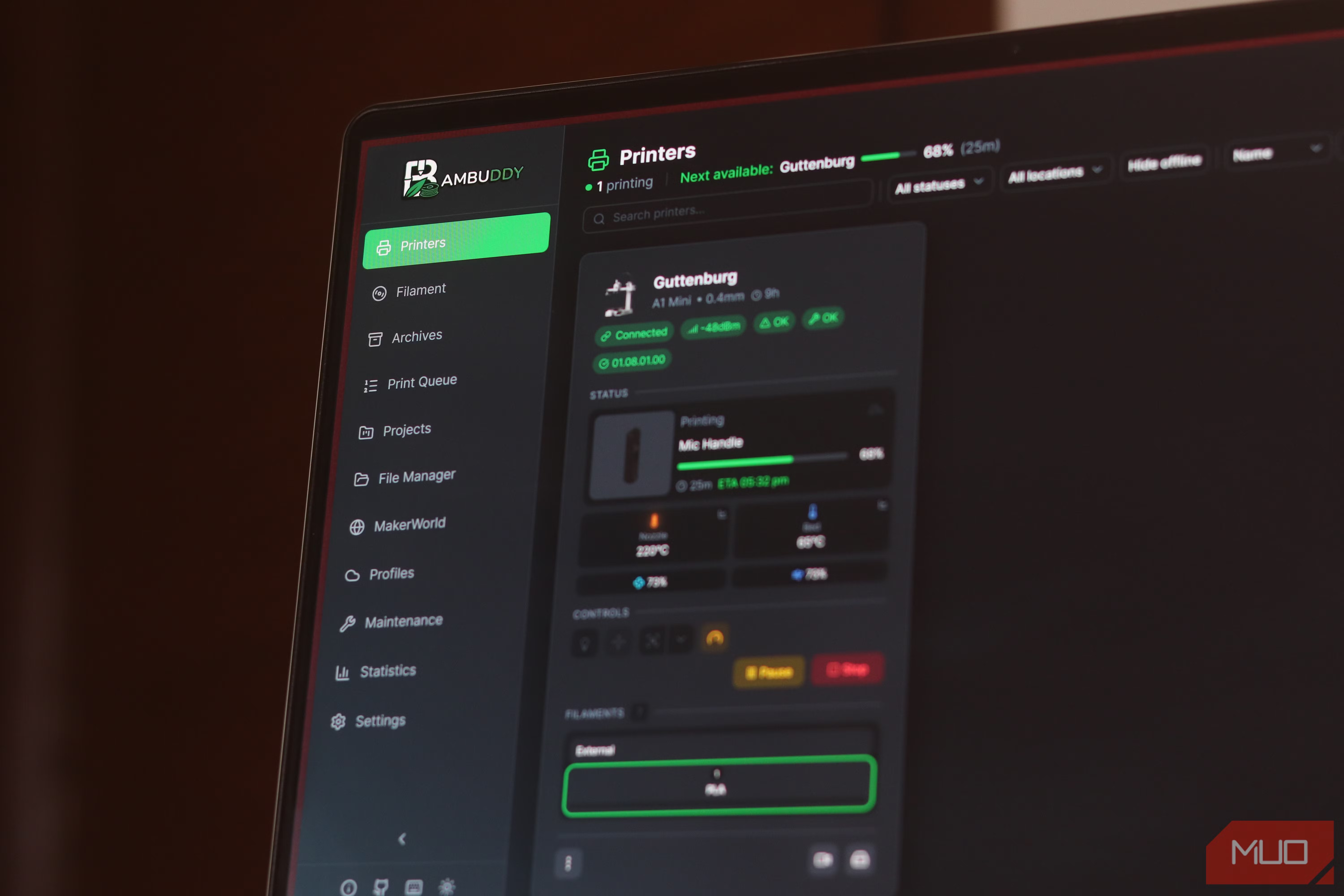
Bambu hardware is excellent, but the cloud software leaves a gap. BamBuddy is a free, self-hosted dashboard that fills it without the lock-in.
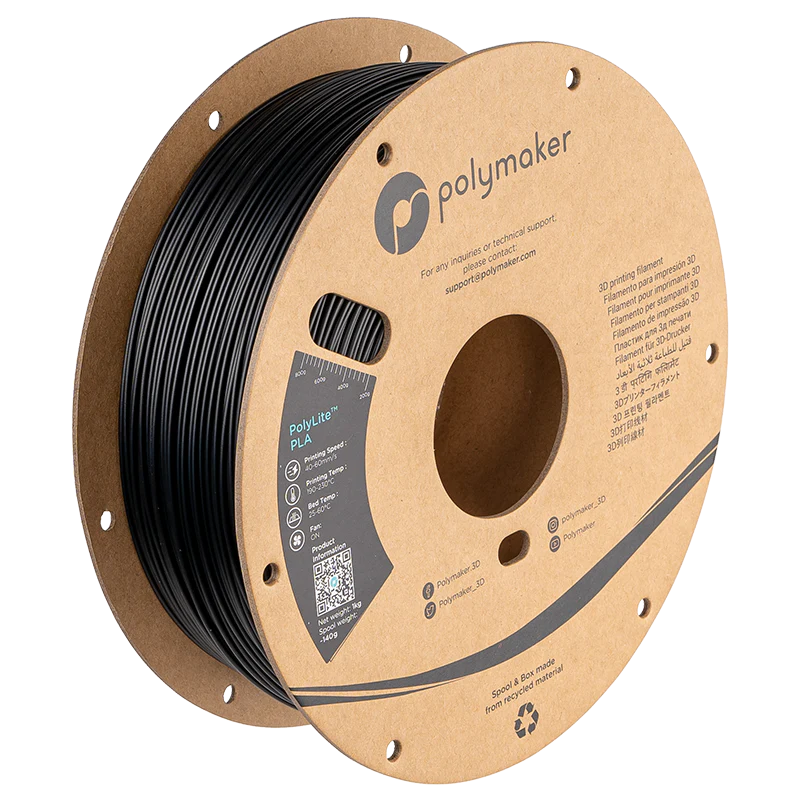
PLA is the easiest filament to print, right up until it isn't. Here are the temperatures, speeds, and cooling settings that stop the common failures.
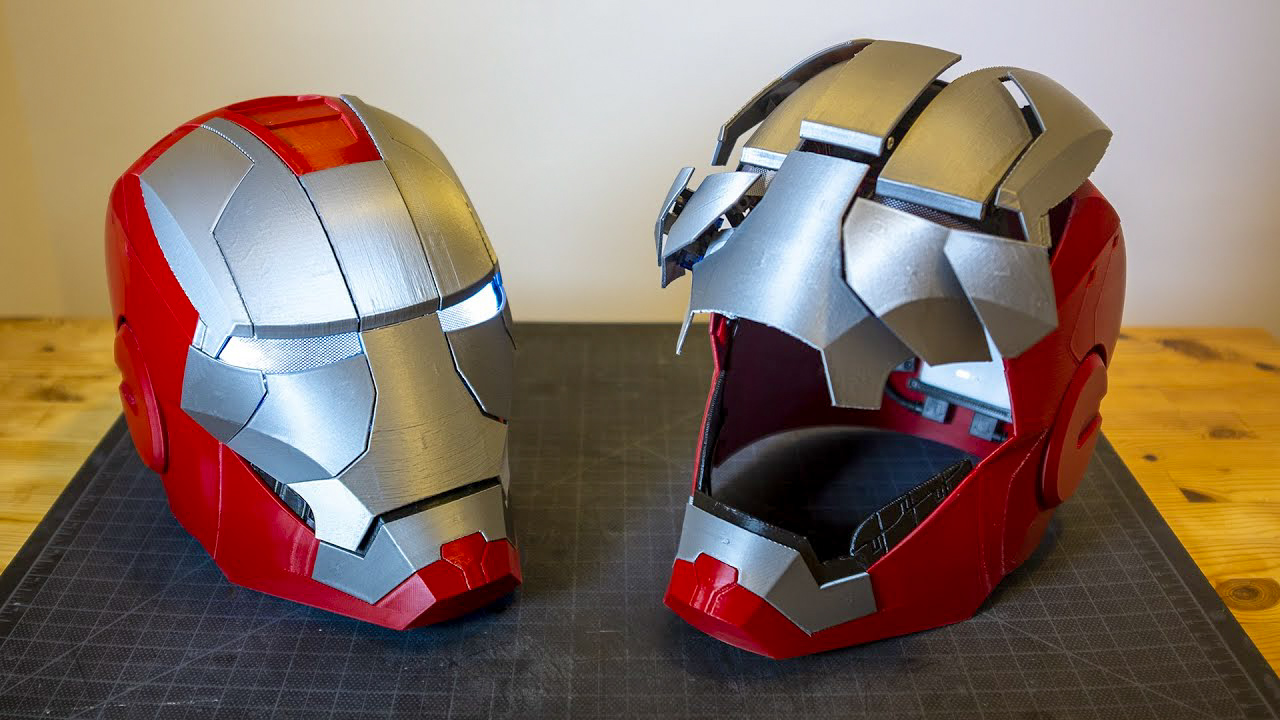
Cosplay props live or die on the printer. Here are the best resin and FDM machines for helmets, armor, and detailed props this year.
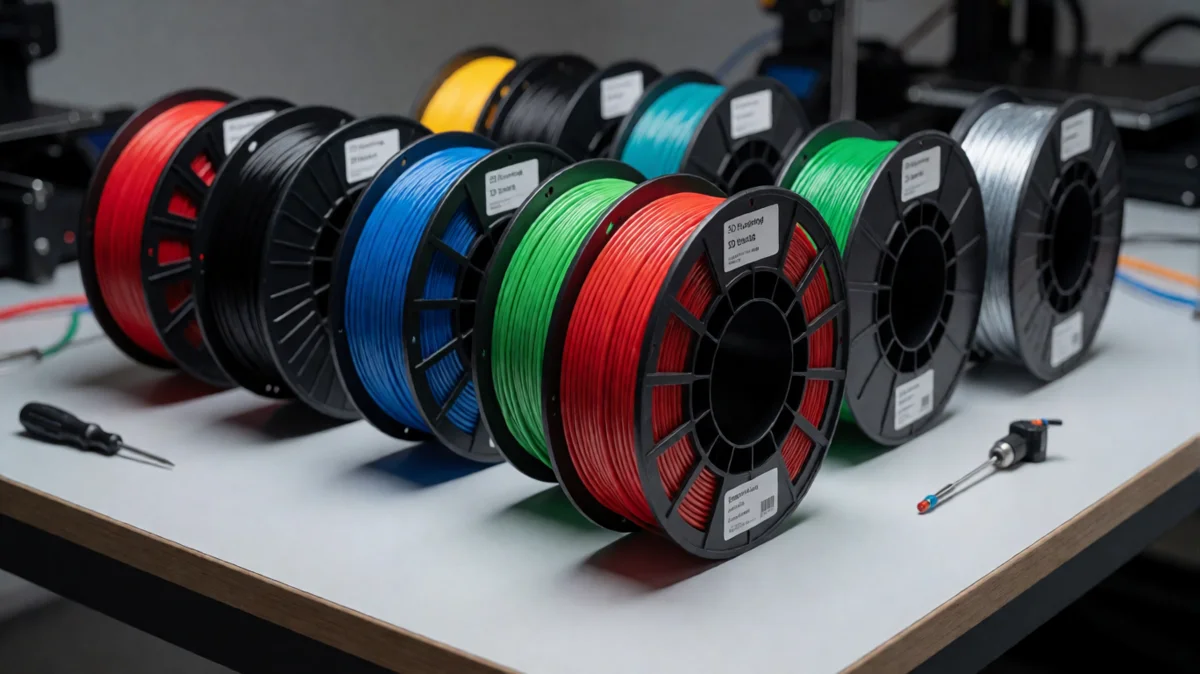
HIPS prints like ABS and then dissolves in citrus solvent, which makes it the cleanest support material you can run on a dual extruder.

Every FPV builder hits the same wall: which filament for the part in hand. Here is how TPU, PLA, and PETG actually behave in a crash.
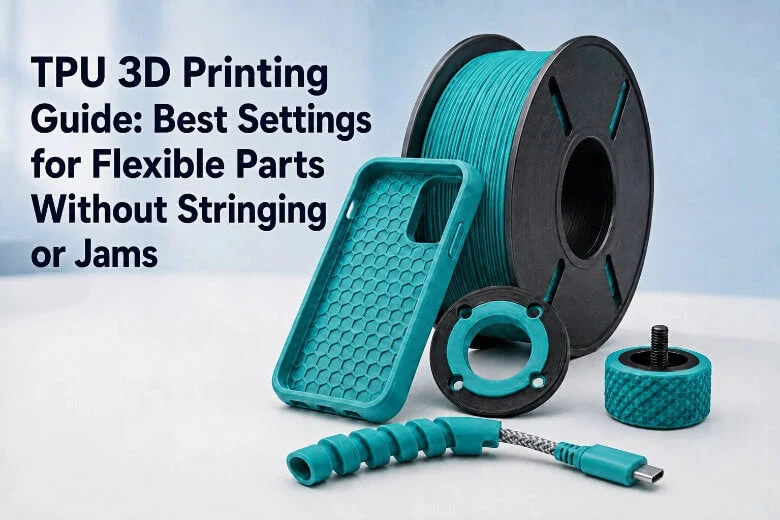
Flexible TPU can string, jam, and buckle if your settings are wrong. Here is how to dial in temperature, speed, and retraction for clean flexible prints.
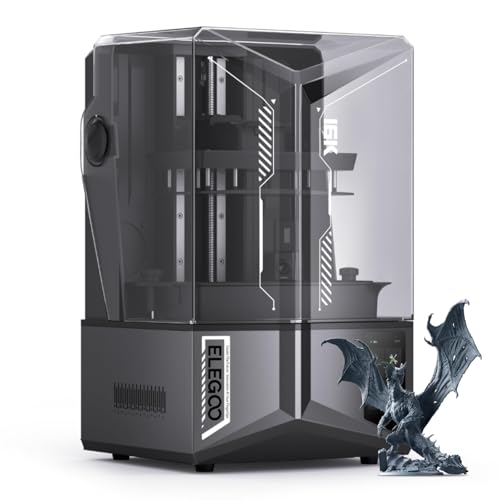
Resin still wins for miniature detail. These are the 3D printers worth buying in 2026 for tabletop and display figures.
PVA dissolves in water and leaves no scars on delicate overhangs. Here is how to print it, dry it, and pick the right spool.
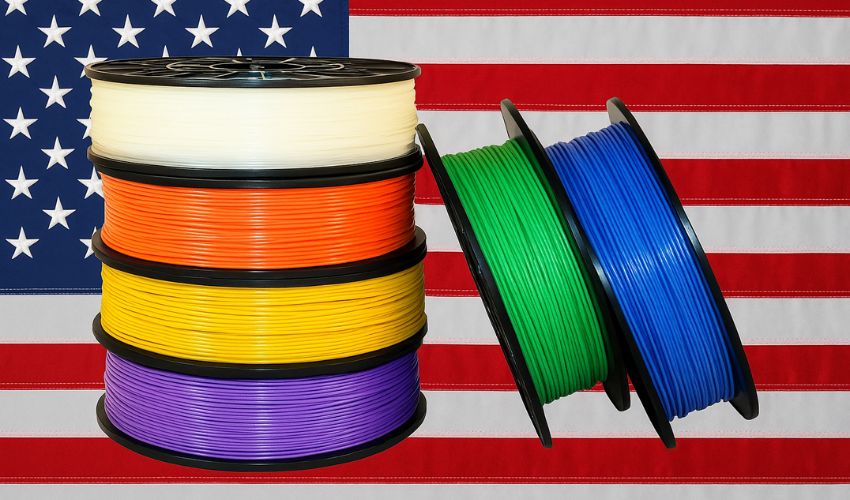
The US filament map looks crowded until you read the corrections. Here is who is really extruding spools on American soil.
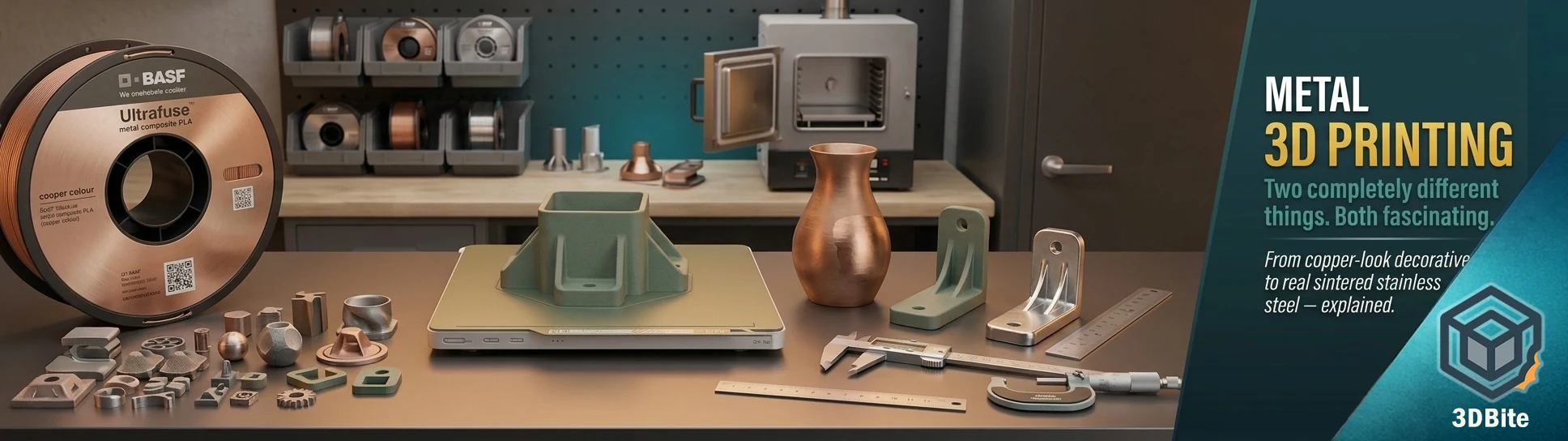
One kind looks like metal and stays plastic. The other becomes real metal in a furnace. Knowing the difference saves you a ruined print.
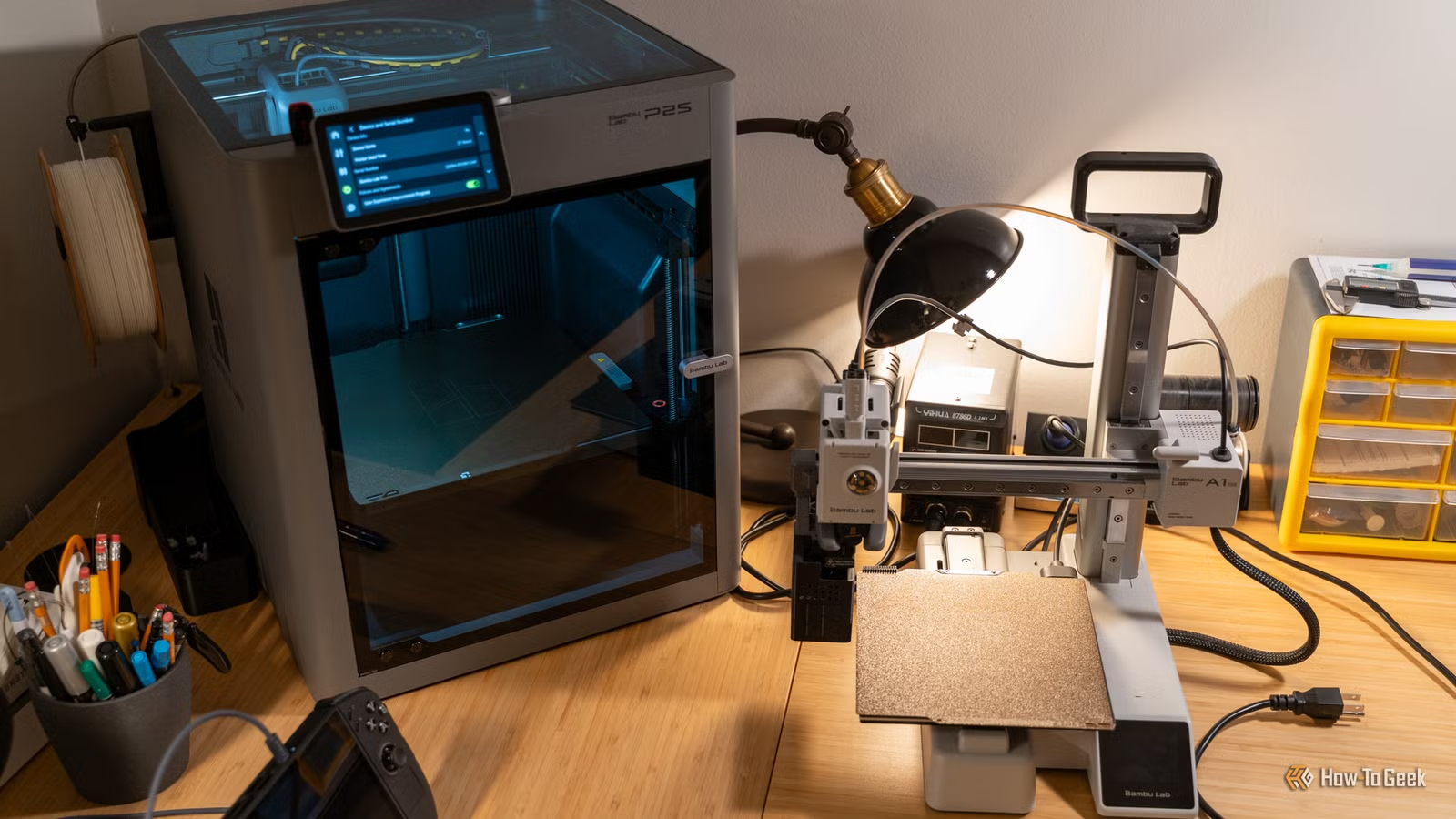
Your second printer should fix what your first one can't, not just give you a second copy of the same limits.
A bad first layer ruins the whole print. These are the settings and habits that fix adhesion, gaps, and warping before they start.
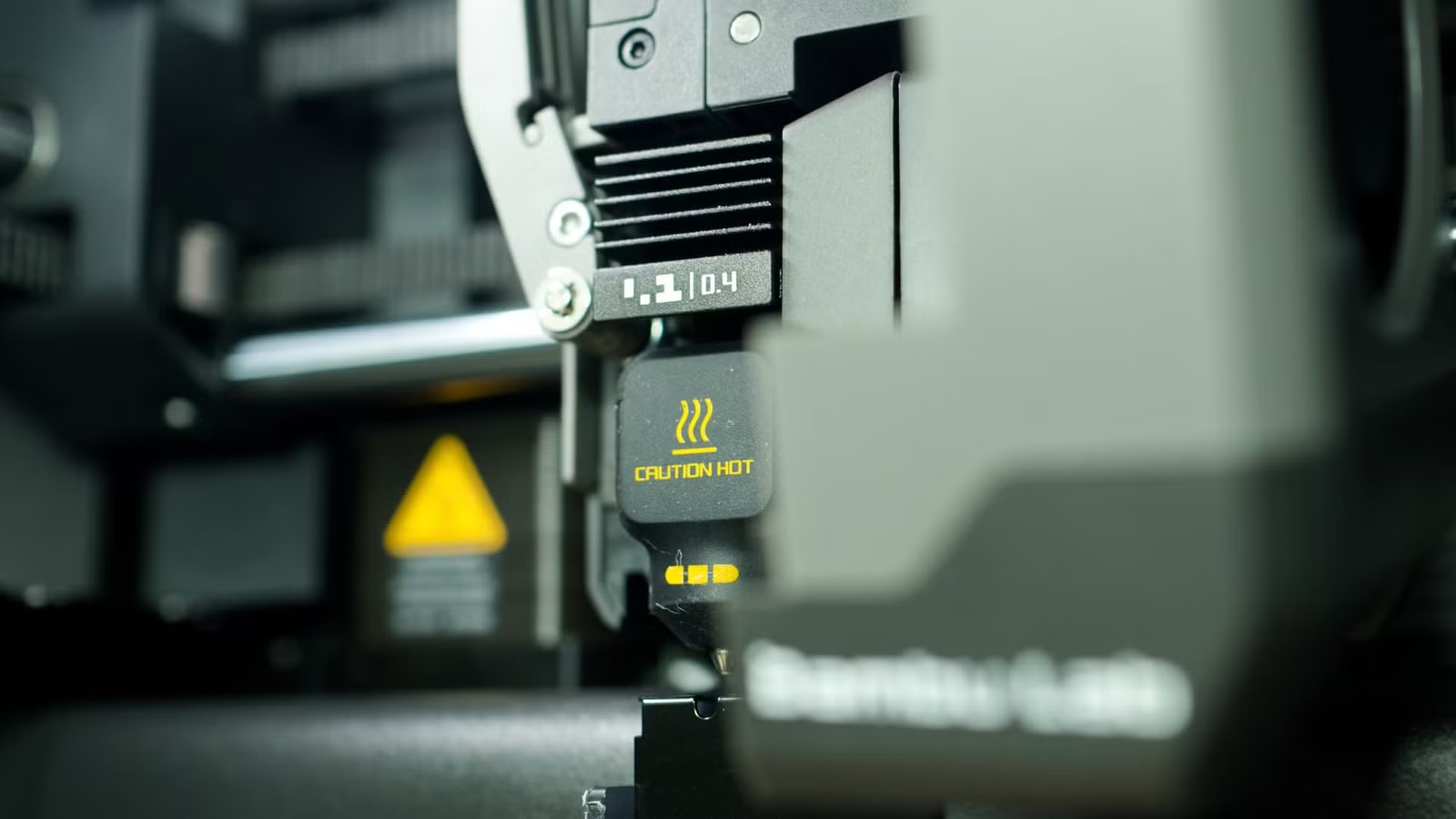
Three brands dominate the 3D printing conversation. Here is the job each one is genuinely best at.

Real metal printers cost a fortune. These four filament types get you a convincing metal look straight off the print bed.
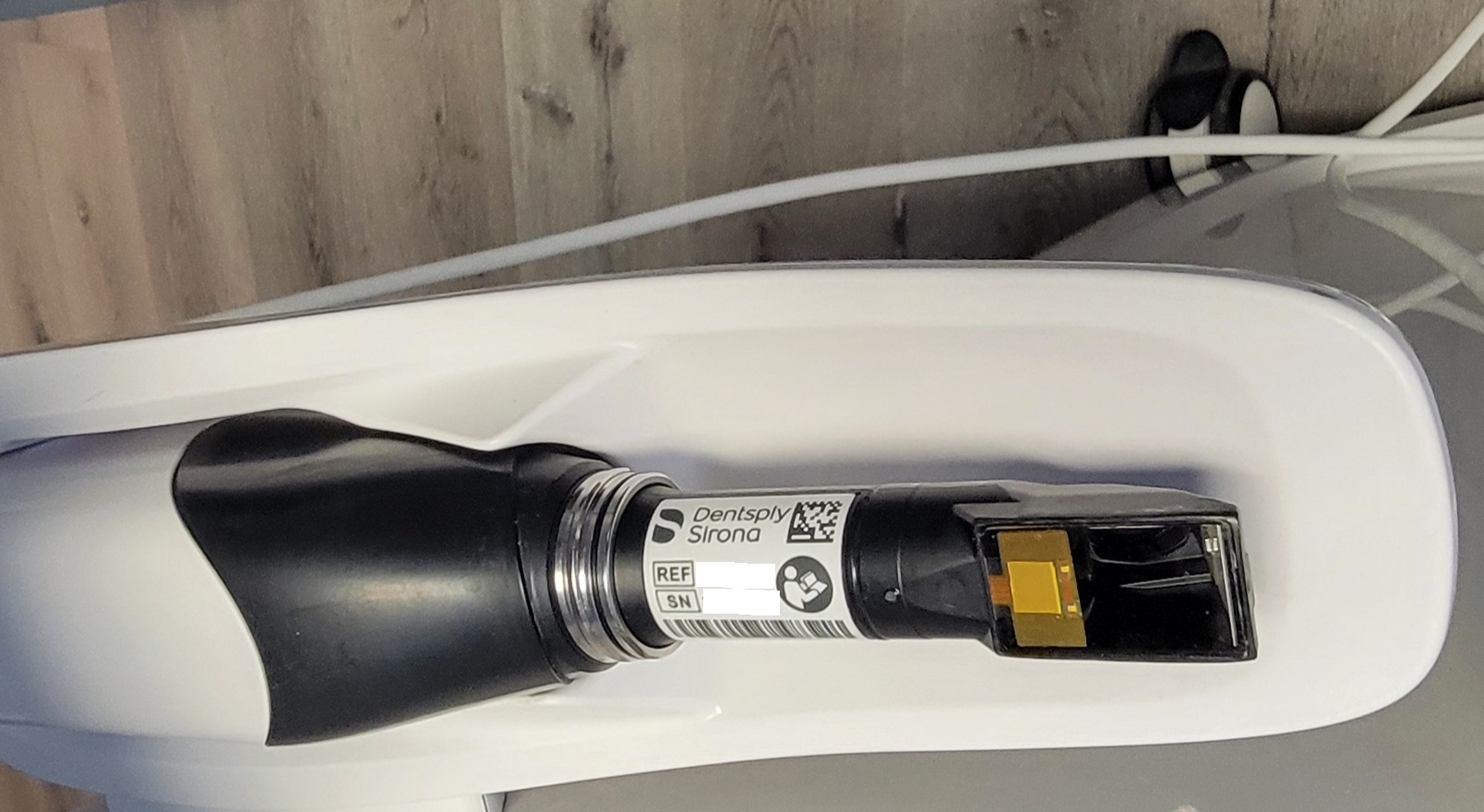
CAD/CAM and CBCT took years to reach the dental chair. 3D printing reached it in roughly a decade, and the reason is structural.
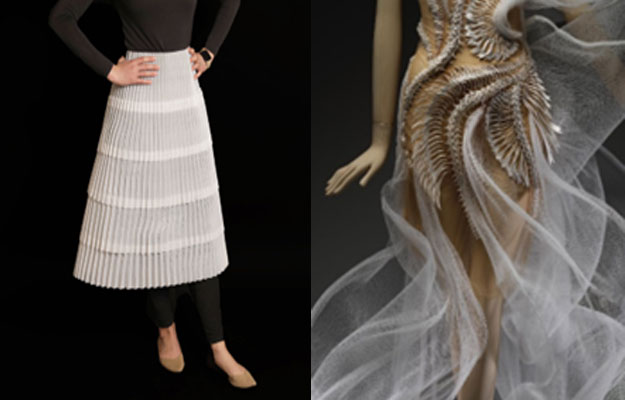
From rigid wearable sculptures to flexible fabric, 3D printing is finally learning to drape. Here is where hybrid textile craft stands in 2026.
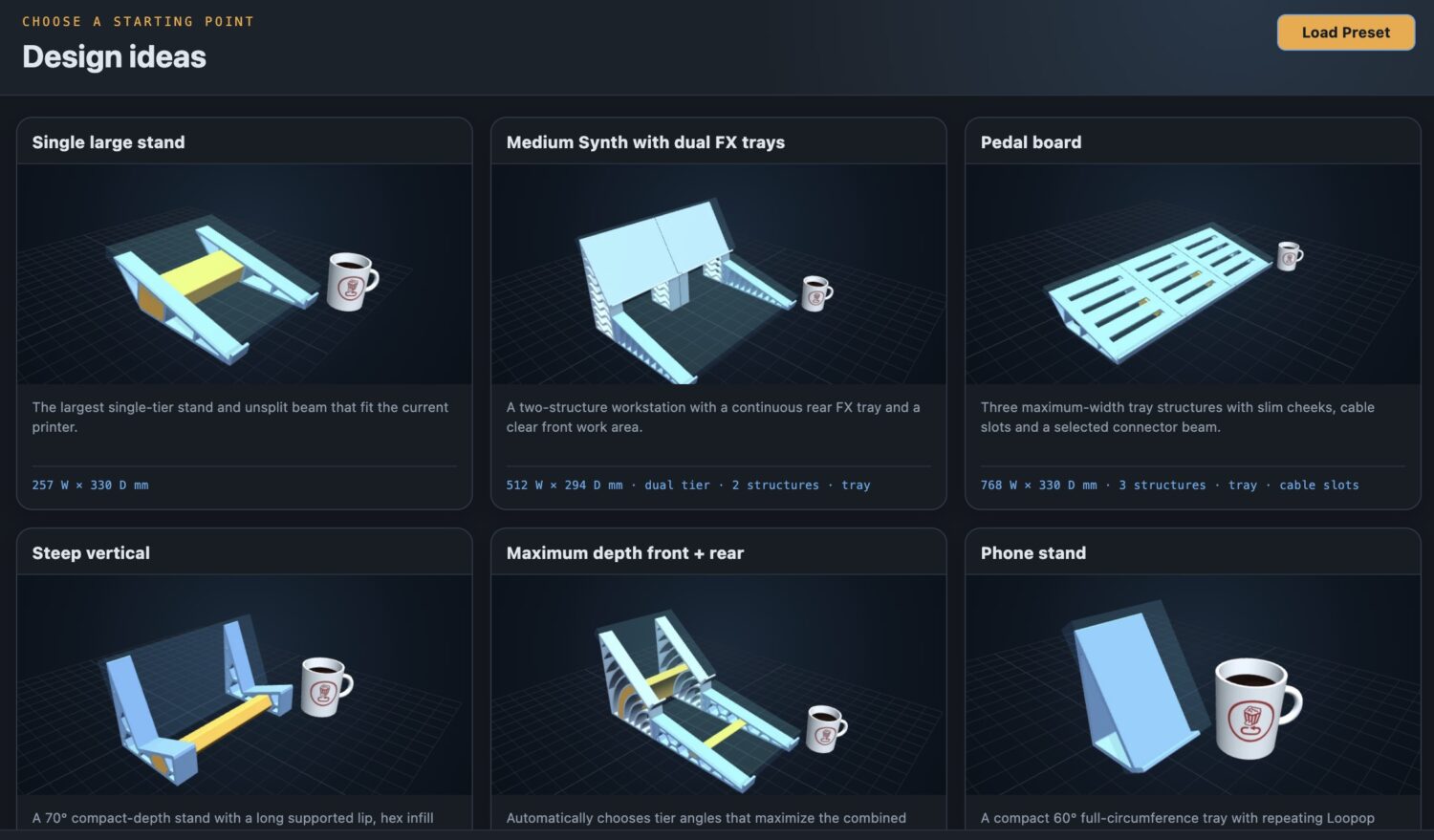
loopop's new web tool designs a custom 3D-printable stand or pedalboard for your gear, then hands you the files for free.
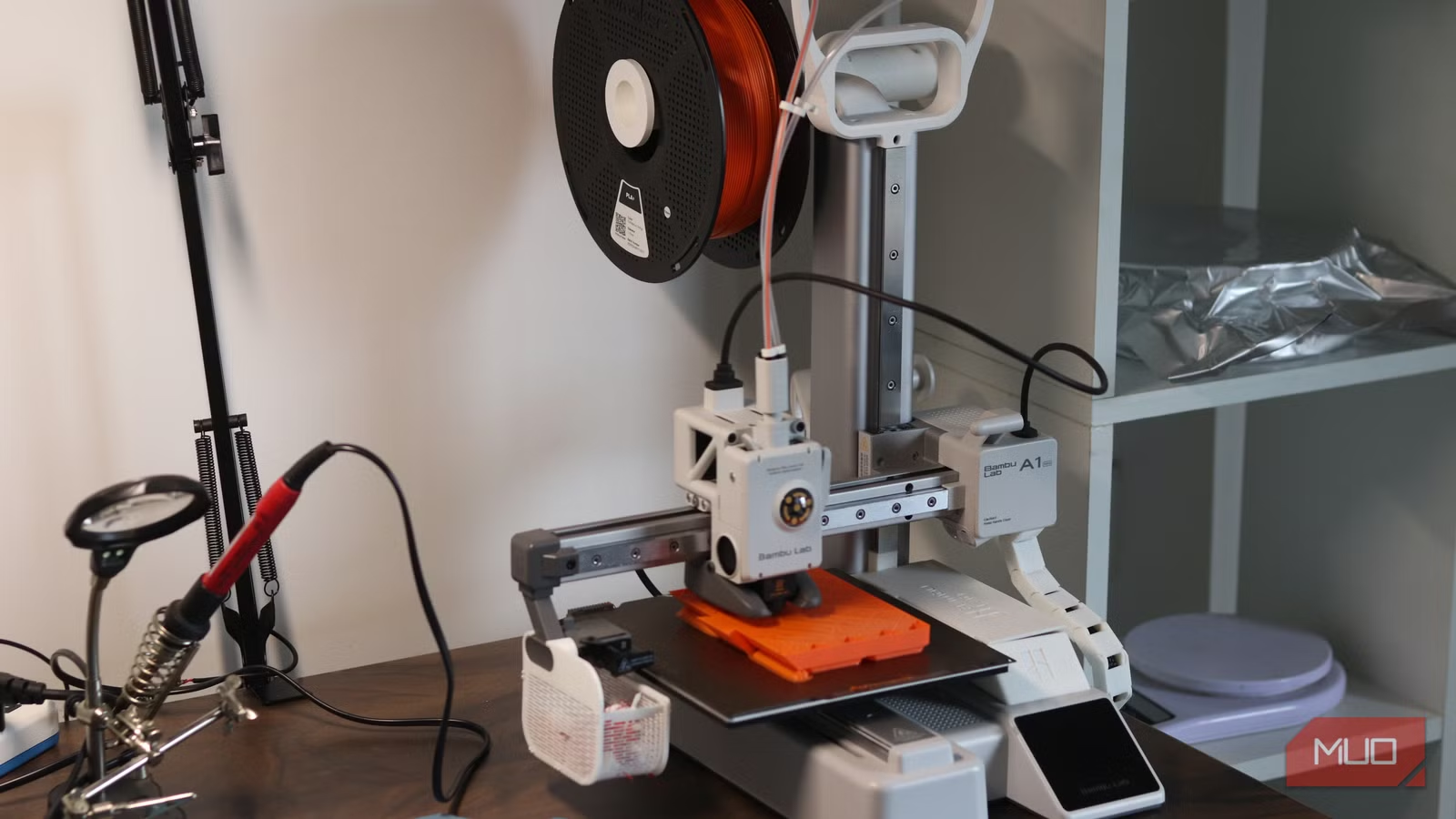
Filament is only part of the story. Here is what electricity, drying, and failed prints add to every model you print.
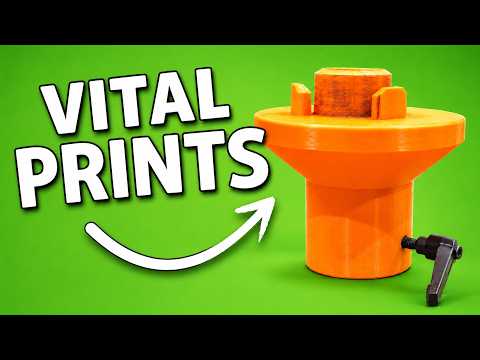
Slant 3D runs a thousand-machine farm and leans on a short list of functional parts. Here are the prints that pull real weight, day after day.
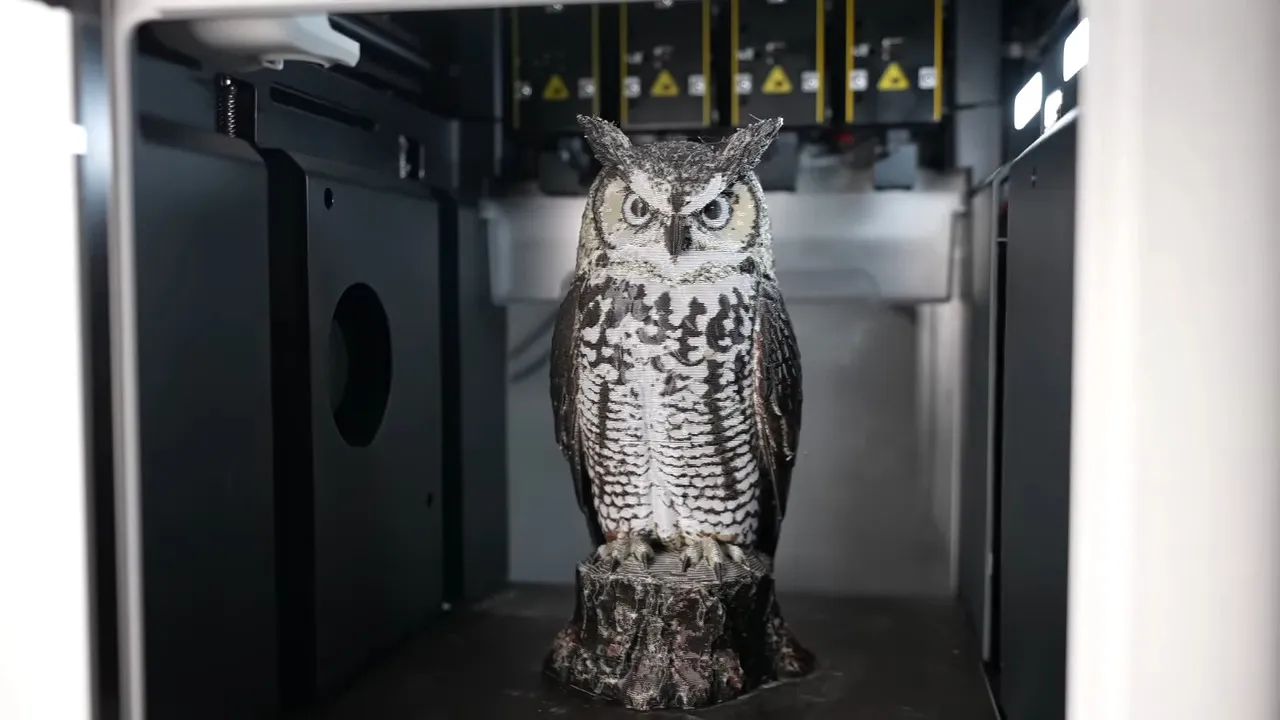
A maker's new slicing approach prints multi-color models with a fraction of the usual tool changes and waste.
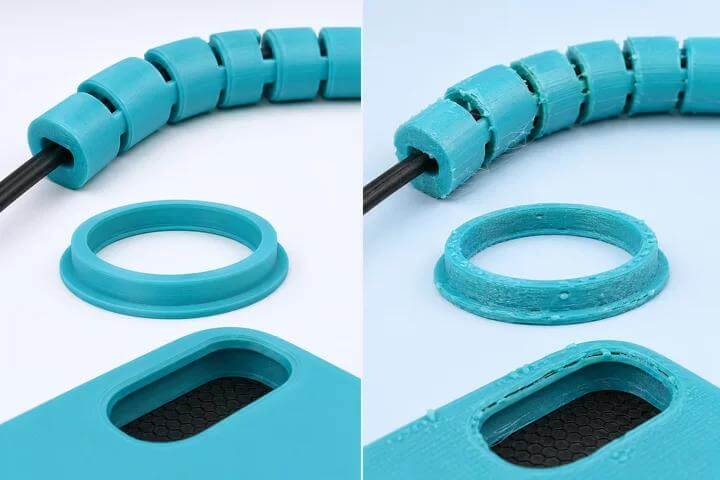
TPU delivers flexible, tough parts, but only with the right settings. Here's how to kill stringing and jams for clean flexible prints.
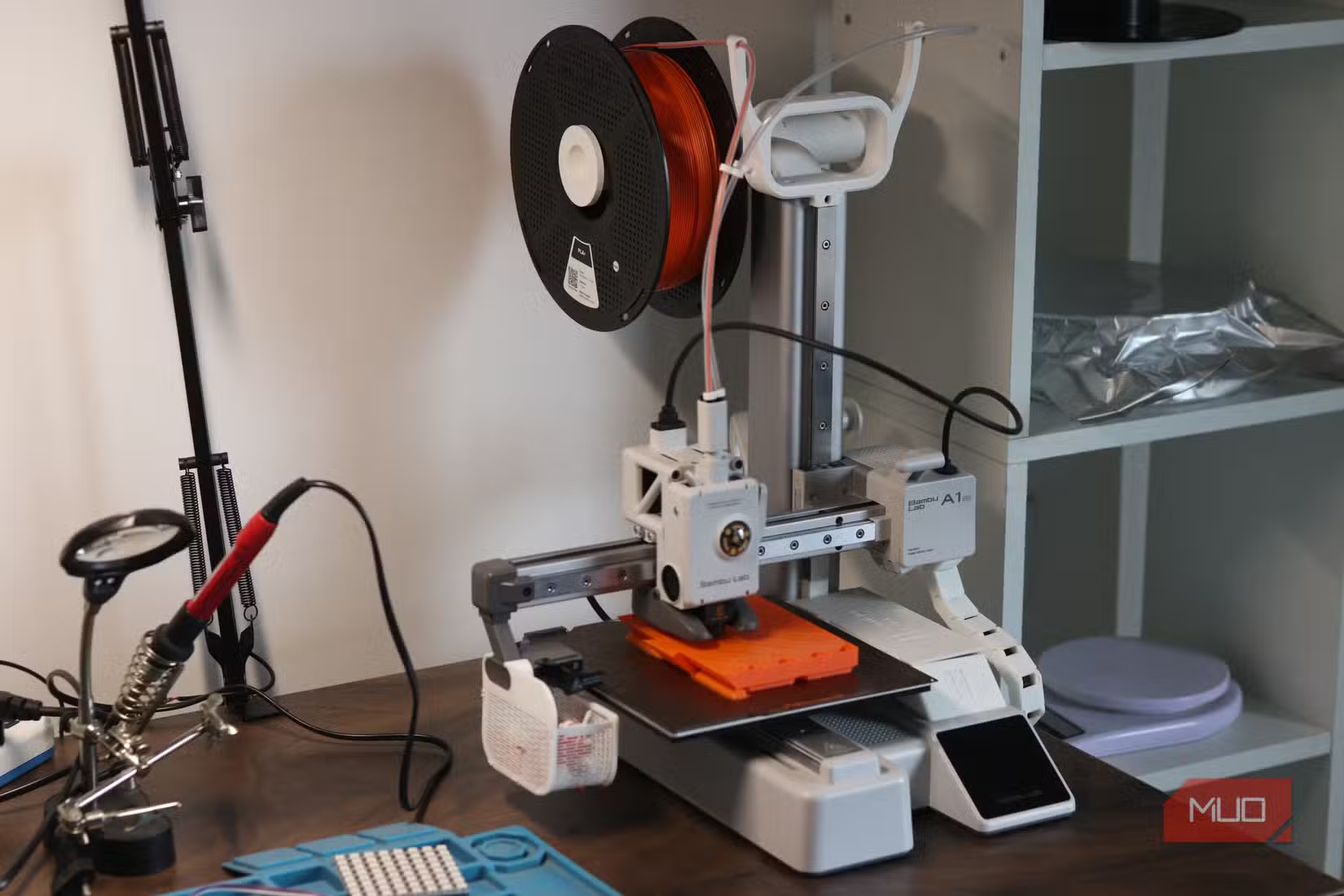
From budget Elegoo to premium Bambu and Prusa, here are the 3D printers that earned their place in 2026, picked for every budget and skill level.
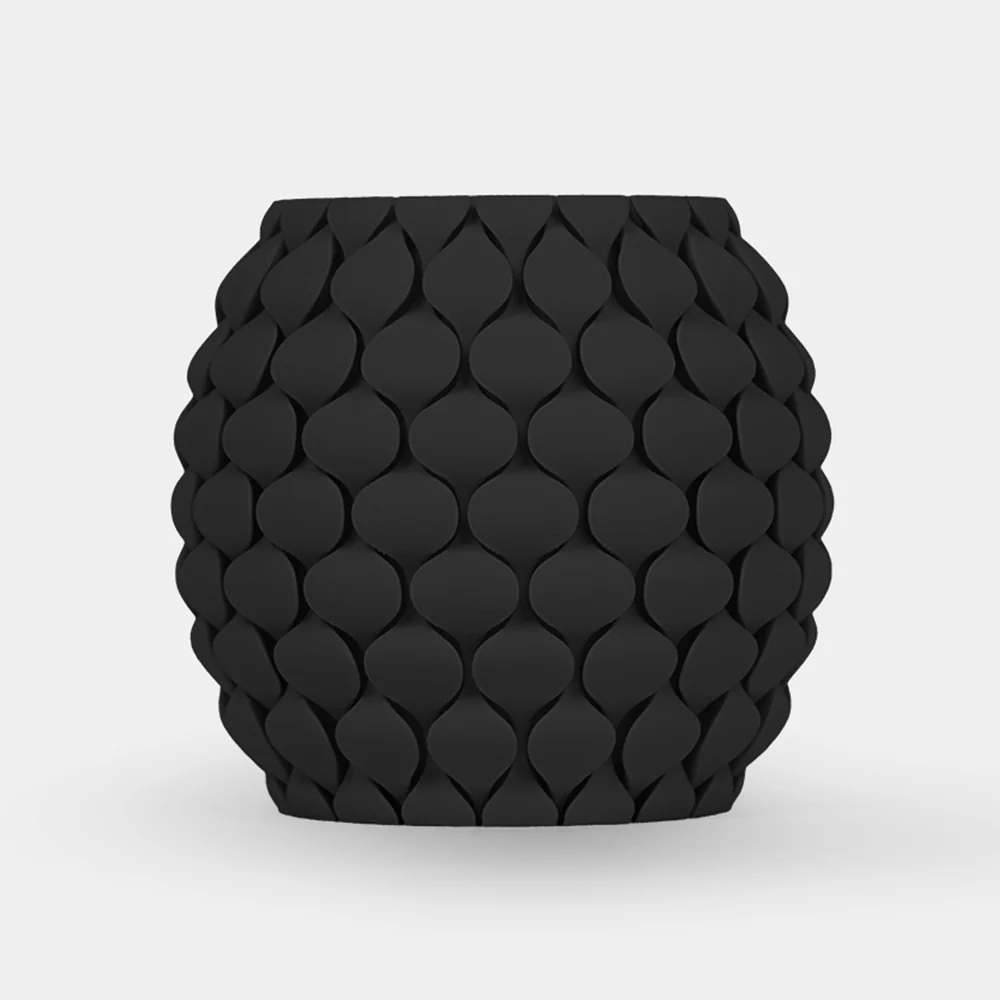
The gap between a mediocre PLA print and a stunning one comes down to a handful of slicer settings. Here are the exact numbers to dial in.
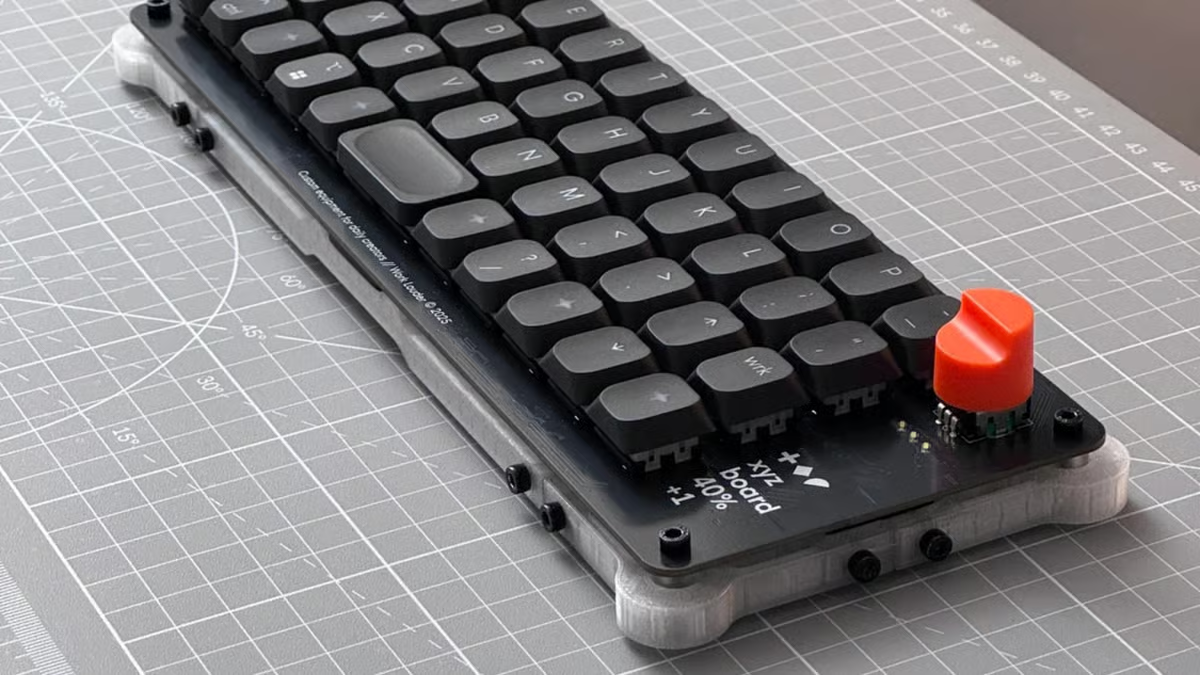
With desktop 3D printers everywhere, 'finish-it-yourself' products that ship a kit plus printable parts should be booming. All3DP asks why they aren't — here's the real barrier.
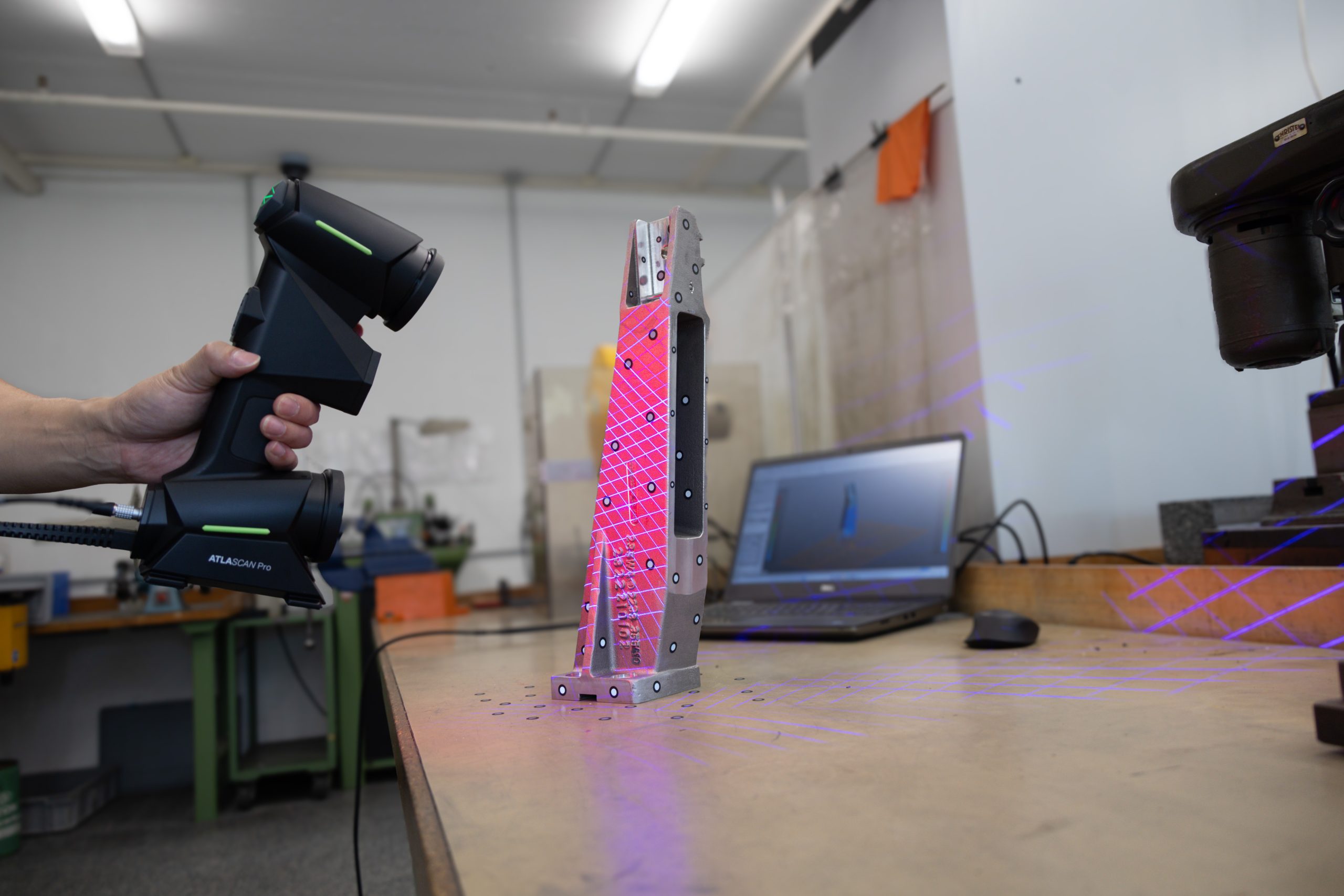
Hexagon's new workflow links its handheld ATLASCAN Pro scanner directly to Geomagic Design X, letting MRO teams rebuild CAD models up to 8x faster than mainstream CAD.
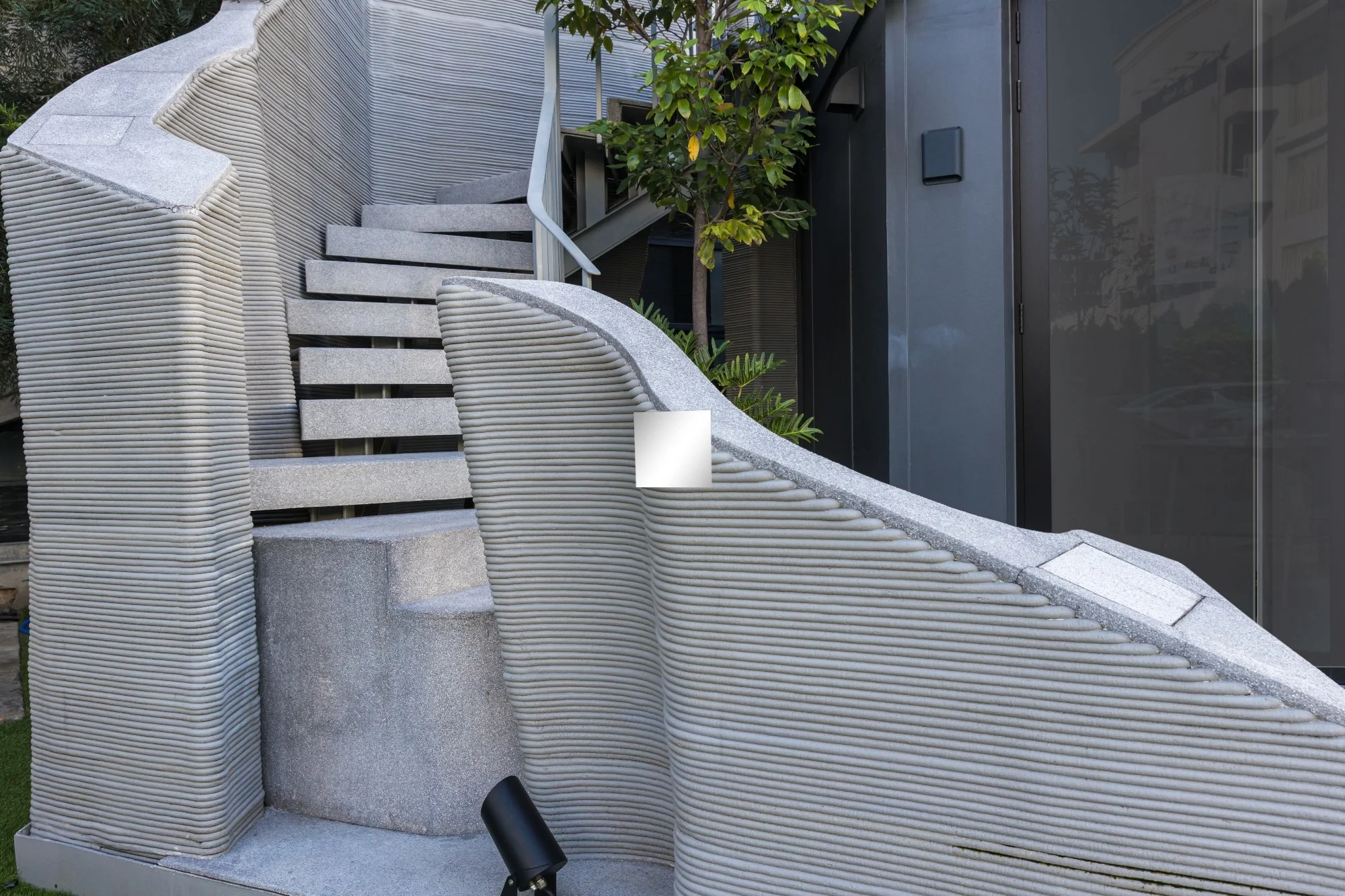
Houses in 9 days, 70% less material, curved walls for free, construction 3D printing is fast. But speed and sustainability don't always move together. Here's the real trade-off.
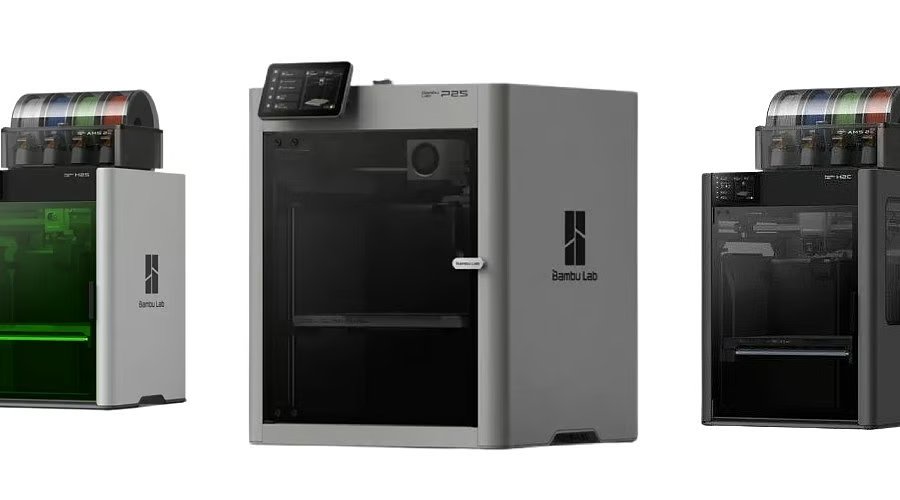
Bambu Lab's closed ecosystem pushed makers toward open alternatives. Five high-performance picks, Prusa, Voron, Creality, Sovol, Qidi, that keep you in control.
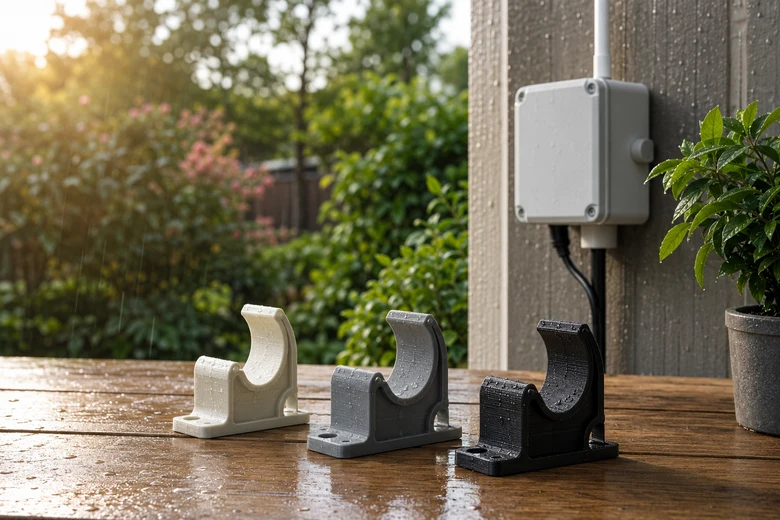
PLA, PETG, or ASA for outdoor prints? We break down heat, UV, toughness, and printability so your garden bracket doesn't droop by August.

You designed the model. Slant 3D's Portals prints, packs, and ships it for you, no printers, no inventory, no risk. Here's exactly how to start.
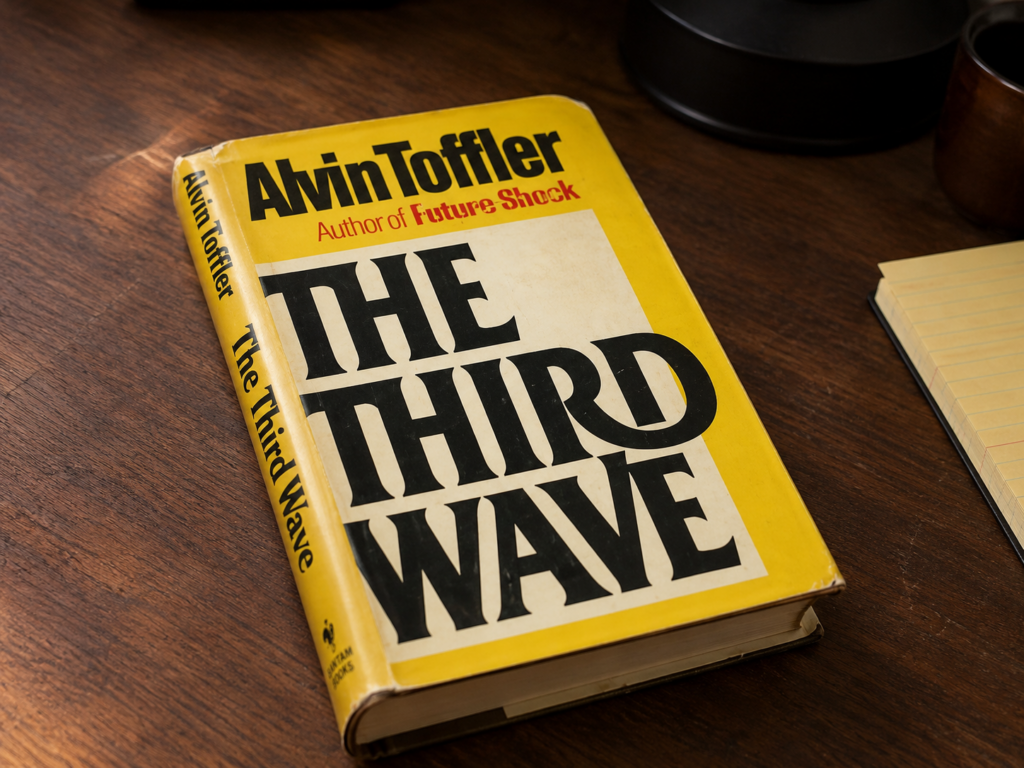
Alvin Toffler predicted the 'prosumer' in 1980. Cheap AI design tools and desktop 3D printing may finally be closing the gap between producing and consuming.

Pairing a 3D printer with a desktop laser engraver turns rough prints into branded, sellable products — here's how to combine the two workflows safely and profitably.

A research team claims that the ambient noise in your workshop could be affecting your 3D prints, and a 'silence mode' could fix weak layer bonds.
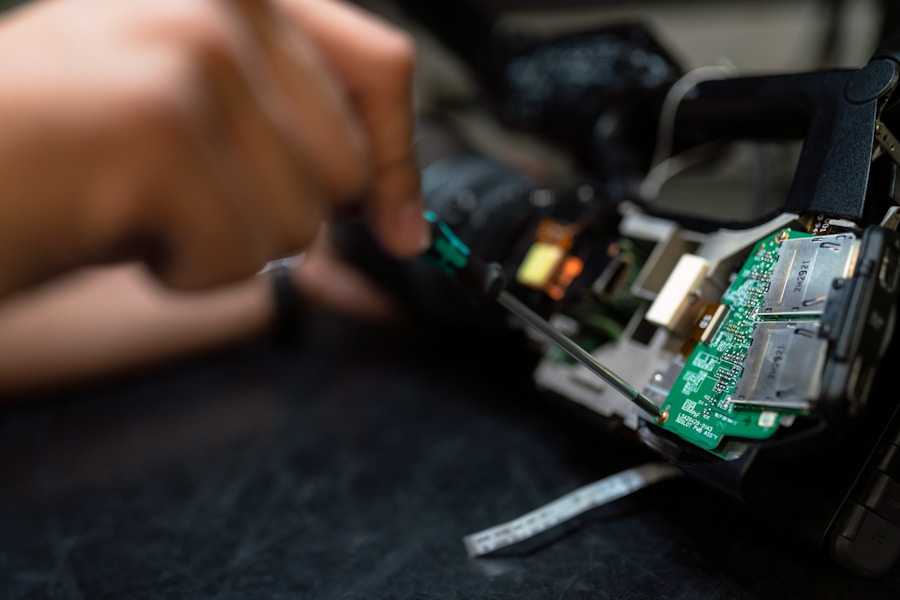
Everything you need to know about heat-set threaded inserts for 3D printed parts, from selecting the right hole size for PLA, PETG, and ABS to installation tips for maximum strength.
A comprehensive look at building the LDO Micron+, the community-beloved miniature 3D printer kit that packs Voron-grade performance into a 180mm build volume.
CNC Kitchen tests heat-set insert hole sizing and discovers datasheets may be leading makers astray.
A maker has developed a method to convert ordinary 3D prints into actual cast iron using a microwave and iron filings
Lithuanian resin manufacturer AmeraLabs published a comprehensive guide addressing 23 widespread misconceptions about resin 3D printing safety, including permanent allergy risks.
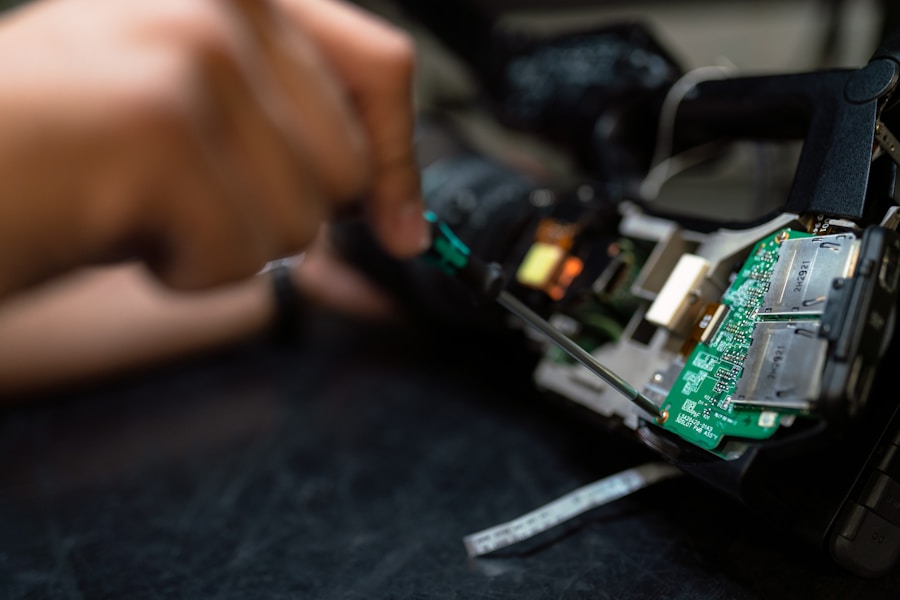
Heatforge 3D releases a free VOC calculator to help makers understand the air quality implications of FFF 3D printing in enclosed spaces.

What if your 3D printed objects could change their appearance based on the angle you view them from? The lenticular effect is bringing this optical illusion to additive manufacturing.

A new 23-point safety analysis reveals hidden dangers in resin 3D printing that many users overlook, including invisible vapor contamination that lingers long after printing.
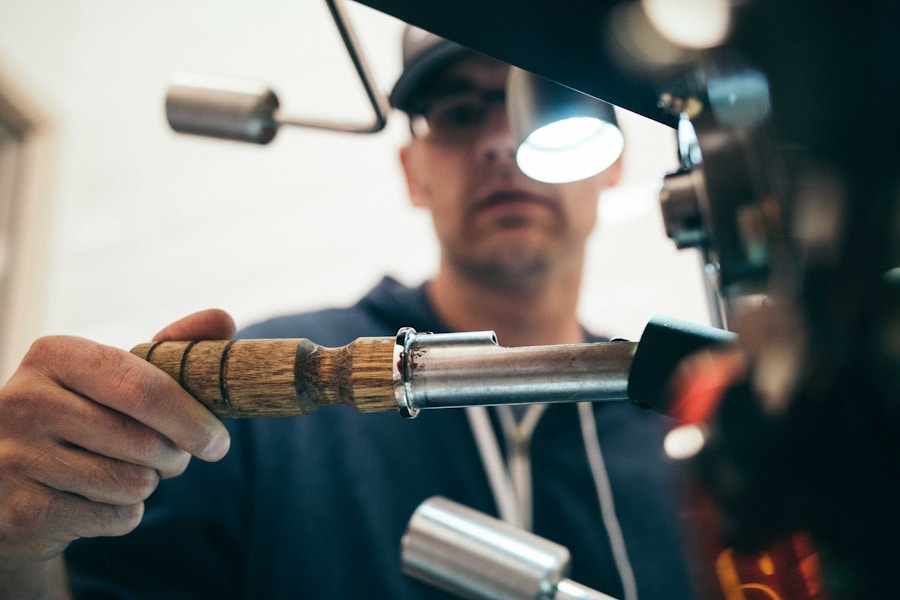
Manufacturers are embedding QR codes directly into 3D printed parts instead of using adhesive labels. The codes become permanent part features that can't be removed, solving long-standing traceability challenges.

Everything you need to know about printing with multiple materials, colors, and composites in one build — from AMS systems to integrated print heads.
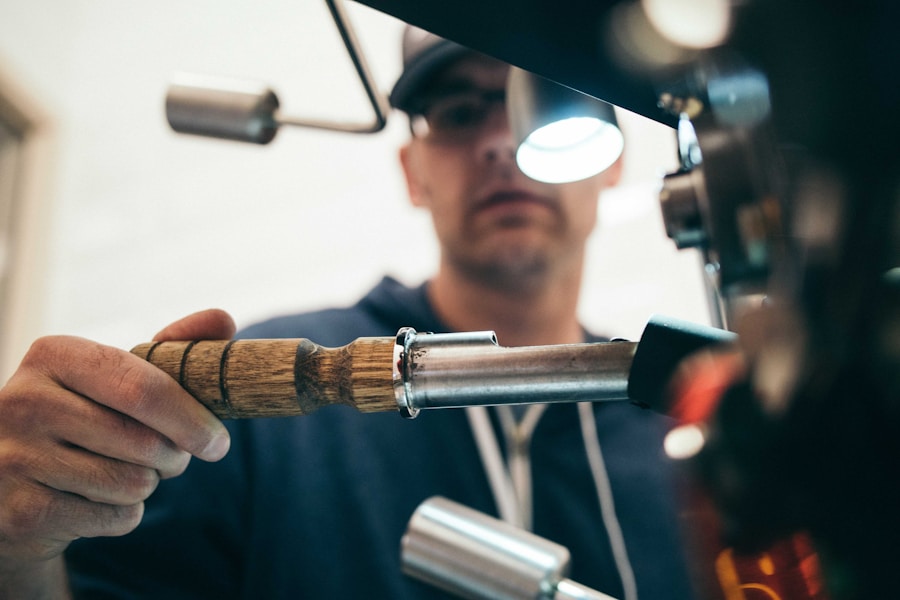
Sun, rain, and UV rays can destroy the wrong filament. We compare ASA, PETG, and ABS to find the best choice for outdoor 3D prints that actually last.

Desktop printers have never been more capable. But when does it make sense to spring for an industrial FDM machine? We break down the real differences.

A maker discovered how to get perfectly smooth top layers without the time-consuming ironing step — using Bayesian statistics to find the perfect settings first time.
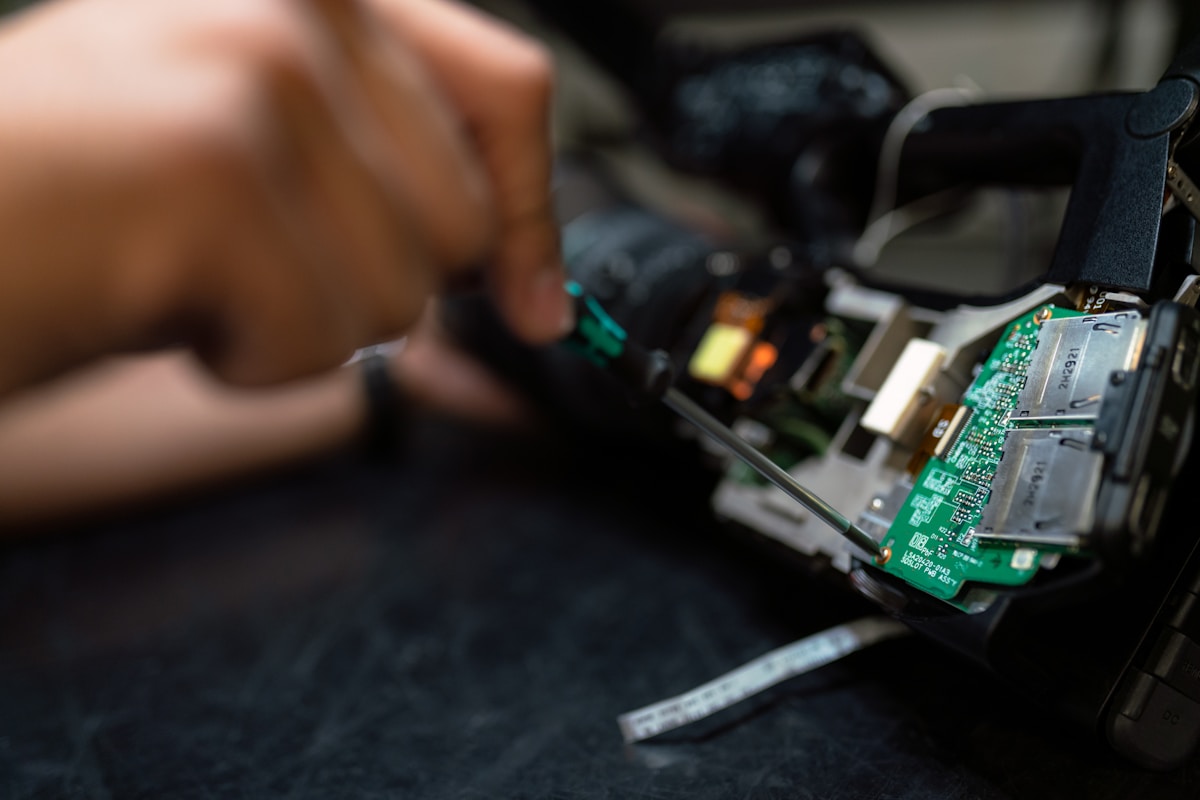
Testing reveals up to 12% strength loss at extreme speeds. Here is what the data says about the speed-strength tradeoff.

Confused between filament and resin? This guide breaks down when to choose FDM vs SLA printing.

Standard, tough, flexible, water-washable, castable — which resin should you use? Here's what each type is good for.
Print failures, layer separation, and suction cups explained. Your complete resin printing troubleshooting guide.

CF-PLA costs more, destroys standard nozzles, and the strength gains are often oversold. Here's when it actually makes sense — and when to skip it.

PLA, PETG, ABS, TPU — which filament should you actually use? Here's what each material is good for and when to avoid it.

From stringing to warping to that nightmare first layer — here's how to diagnose and fix the problems that actually show up in real printing.

Stringing is the most common cosmetic defect in FDM printing. Here's how to eliminate it for good.

The first layer determines everything. Here's how to get it right every time.

You don't need to spend £600 to get great prints in 2026. These are the best printers under £300 available in the UK right now.