Bambu Lab's A2L delivers serious print volume for under $500, but the vibration is no joke. A long-term review of the trade-offs.
What the A2L Is
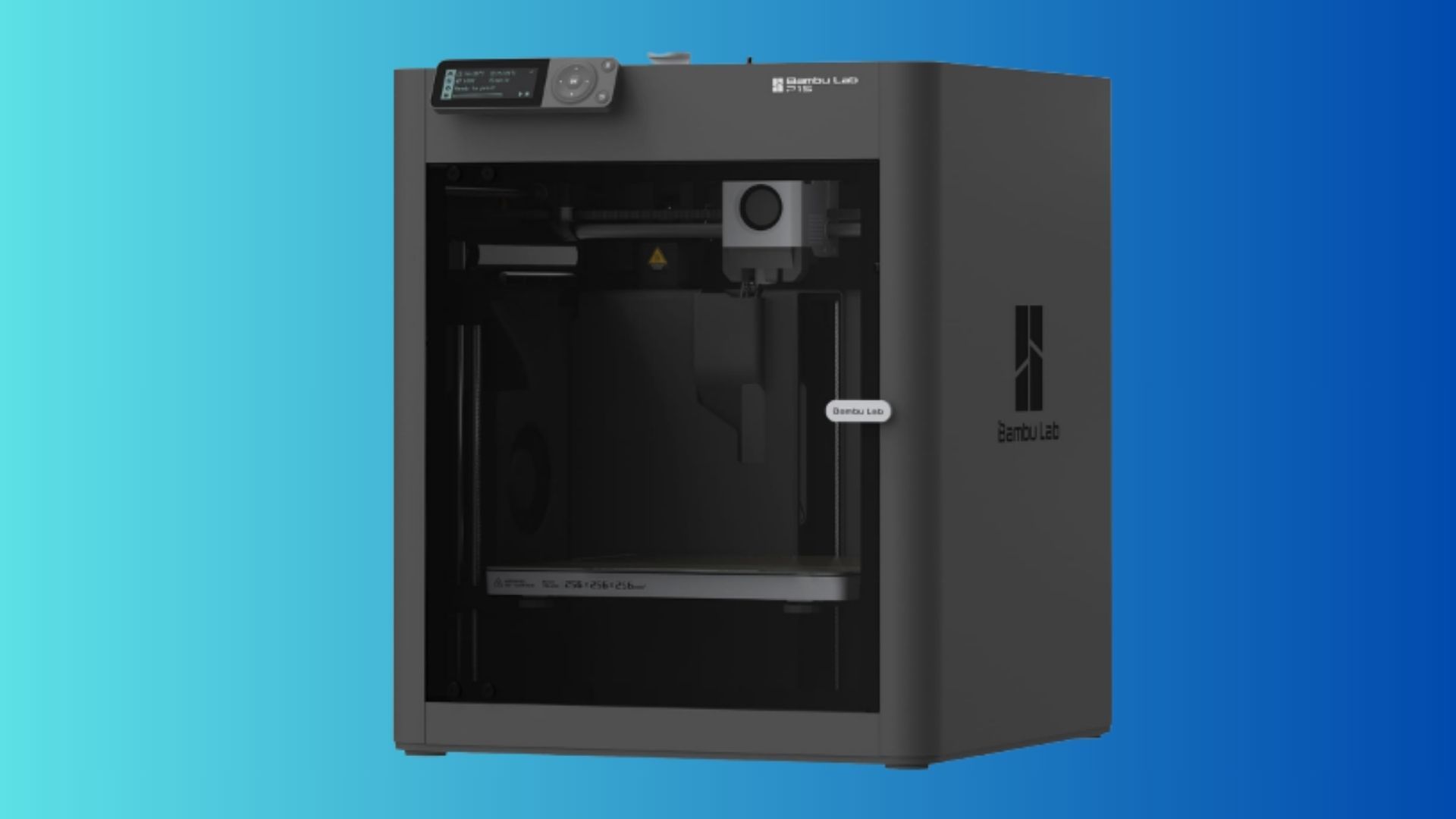
The Bambu Lab A2L is the company's large-format answer to the popular A1. It keeps the same open-frame bedslinger layout but stretches the build volume to 330 by 320 by 325 mm. That is 105 percent more space than the standard A-series machines. The printer costs $469 standalone or $569 with an AMS Lite multi-material unit. A blade cutter and pen plotter attachment sells separately for $69.
Bambu Lab categorises the A2L as a family-friendly craft machine. It is positioned against cosplayers, home decor makers, and small print farms that want extra volume without stepping up to the H2D series. The printer also supports up to four AMS units for 19-color multi-material printing, which opens batch production possibilities.
Print Quality and Speed
The A2L inherits most of what made the A1 good: automatic bed leveling, quick-swap nozzles, and a reliable extrusion system. Bambu Lab upgraded the extruder motor to a closed-loop servo that can detect filament grinding and air prints before they turn into failed jobs. A nozzle clumping detector on the purge sweep catches buildup early.
Print quality at speed is strong for a bedslinger. The A2L uses adaptive vibration compensation, which retunes the calibration as the print gets taller. That matters here, because long bed slingers tend to develop ringing at the top of tall parts. The system works, but it does not eliminate all vibration.
The Vibration Problem
This is the review point nobody skips. The A2L vibrates. Bambu Lab filled the frame with granulated vibration-absorbing pellets and kept the speed high, which makes the printer nearly as fast as the original A1. It also means the A2L will shake a cheap table apart. During testing, the AMS Lite unit walked off an IKEA Lack coffee table 45 minutes into a print. A wobbly card table would likely take the whole printer down.
Bambu Lab includes a "steady" printing profile that reduces speed to calm the shaking. A "high-quality" profile does the same thing. Those modes are practical, but they eat into the speed advantage that justifies buying a larger machine in the first place. If you are putting the A2L on a proper workbench or dedicated stand, this is less of a problem. If you are running it on a dining table, expect to bolt it down.
Build Volume and Practical Use
The 330 by 320 by 325 mm chamber is genuinely useful. Cosplay helmets, architectural models, large household items, and multi-part assemblies that would normally need splitting and gluing fit in one go. The AMS Lite handles multi-color swaps cleanly, and the four-spool capacity is enough for most small production runs without constant refills.
The optional blade cutter and pen plotter attachment expands the machine into vinyl and paper crafts, which is the pitch for family use. The cutter works as advertised. Whether you need a 3D printer that also plots and cuts depends on your workshop. For pure 3D printing, the AMS configuration is the better buy.
Who Should Buy It
The A2L is a good upgrade if you already run an A1 or A1 Mini and have hit the build volume ceiling. It is also a strong entry point for anyone who wants a large-format machine with Bambu Lab's ease of use. The vibration requirement is the main caveat. Plan your surface before you plan your purchase.
Bottom Line
The A2L is one of the best large-format consumer printers available under $500. Print quality is high, the software experience is smooth, and the expanded build volume opens projects that smaller machines cannot manage. Just make sure your table can handle it.
Comments (0)
No comments yet. Be the first!
Leave a Comment